Understanding Tough Cuts of Beef
Characteristics of Tough Cuts
Tough cuts of beef are typically derived from the muscles that are heavily used by the animal. These cuts have more connective tissue, collagen, and muscle fibers, which makes them dense and chewy when cooked quickly. Unlike tender cuts such as ribeye or filet mignon, tough cuts require longer and slower cooking methods to break down these components and transform the meat into a tender delight.

Common Tough Cuts Used for Slow Cooking
Some of the most popular tough cuts ideal for slow cooking include chuck roast, brisket, shank, and round. Chuck roast is known for its rich flavor and ample marbling, which melts during slow cooking to keep the meat moist. Brisket contains a lot of connective tissue and is best cooked low and slow, often for several hours. The shank, taken from the leg, is lean but filled with collagen, making it perfect for braises and stews. Round cuts tend to be leaner and require careful cooking to avoid dryness, but slow cooking helps make them tender and flavorful.
Basics of Slow Cooking for Beef
Why Slow Cooking Works on Tough Cuts
Slow cooking tenderizes tough cuts by gradually breaking down collagen into gelatin, which softens the meat and adds a luscious texture. The low heat over a longer duration prevents the muscle fibers from contracting too sharply, which can make meat tough. This method also allows flavors to fully develop and penetrate the beef, resulting in a richer and more enjoyable dish.
Essential Equipment for Slow Cooking Beef
Several pieces of equipment make slow cooking efficient and convenient. A heavy-bottomed Dutch oven is excellent for searing and then slow braising in the oven or on a stovetop. Slow cookers or crockpots are purpose-built for unattended, low-temperature cooking over many hours. Additionally, using an oven with a reliable temperature control and a roasting pan with a tight-fitting lid offers a practical alternative when you want consistent heat over long periods.
Top Techniques to Achieve Tenderness
Braising: Step-by-Step Guide
Braising is the quintessential slow-cooking technique for tough beef cuts. Begin by searing the meat in hot oil or butter to create a flavorful crust and seal in juices. Next, add aromatic vegetables like onions, carrots, and celery. Pour in a flavorful liquid such as beef broth, wine, or tomato sauce until it partially covers the meat. Cover the pot tightly and cook it in the oven or on the stovetop over low heat for several hours, usually between two to four, depending on the cut. This slow simmer breaks down tough fibers and results in meltingly tender beef.
Using a Slow Cooker: Tips and Tricks
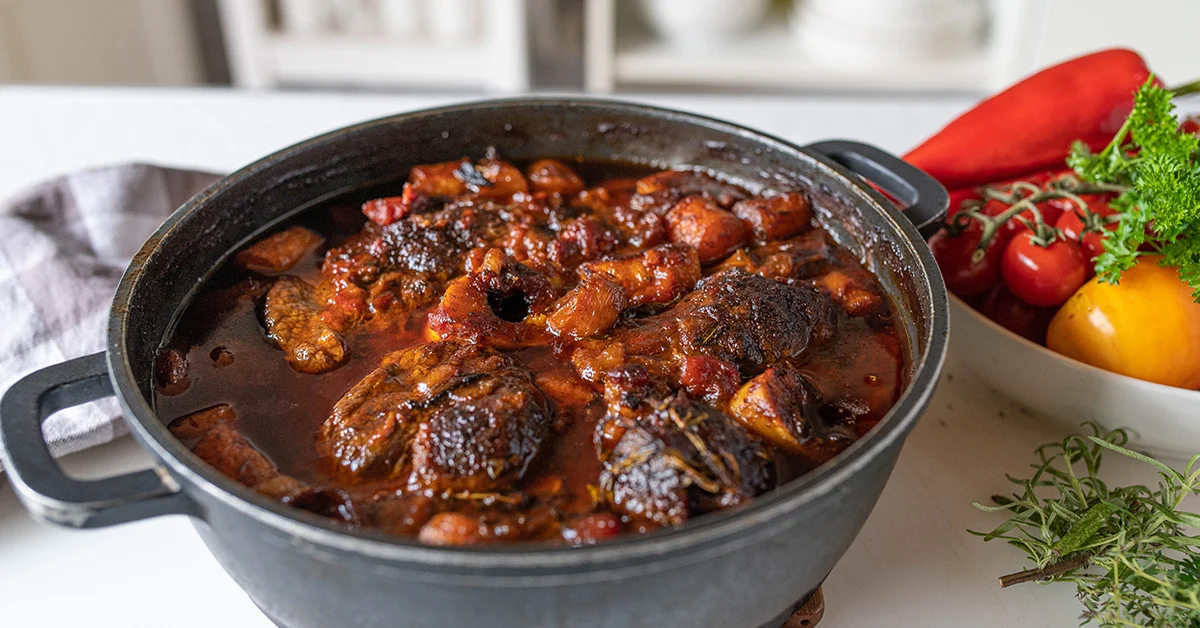
When using a slow cooker, it’s best to prepare the beef by browning it first. This step enhances flavor through the Maillard reaction. Layer the bottom of the cooker with vegetables and place the meat on top, adding enough liquid to keep the environment moist but not submerged. Cook on low for 6 to 8 hours, or on high for 3 to 4 hours. Avoid lifting the lid frequently, as this releases heat and extends cooking time. Slow cookers excel at hands-off preparation and extracting deep flavors.
Oven Roasting Low and Slow
Oven roasting at low temperatures is another effective slow-cooking method. Place the tough cut in a roasting pan, optionally with a bed of vegetables and aromatics, and cover it with foil or a lid to retain moisture. Set the oven between 250°F and 325°F, depending on the recipe requirements, and roast for several hours. This dry heat approach gently tenderizes the meat while creating a savory crust on the outside. Checking periodically for doneness ensures the beef remains succulent rather than drying out.
Best Marinades and Seasonings for Tough Beef
Acidic Ingredients to Break Down Muscle Fibers
Incorporating acidic components into marinades can significantly improve tenderness. Ingredients such as vinegar, citrus juice, wine, or yogurt help to break down muscle fibers and collagen, making the meat softer. It is important to marinate tough beef for at least a few hours, or overnight when possible, to allow these acids to penetrate effectively. However, be cautious with marinating too long as excessive acidity can alter the texture unfavorably.
Flavor Combinations That Enhance Taste
Flavorful combinations elevate slow-cooked beef to new heights. Herbs like rosemary, thyme, and bay leaves pair wonderfully with garlic and onions for an earthy base. Spices such as black pepper, paprika, and cumin add warmth and depth. Complementing these with savory liquids like beef broth, soy sauce, or Worcestershire sauce creates layers of complexity. Balancing these elements helps enrich the natural beef flavors without overpowering the tender result.
Temperature and Timing: Keys to Success
Optimal Temperatures for Different Cuts
The temperature you cook at is crucial for achieving tenderness without drying out the beef. Slow cooking generally requires maintaining temperatures between 190°F and 300°F. For high-collagen cuts like shank or brisket, lower temperatures around 190°F to 225°F over a longer time yield the best results. Slightly leaner cuts such as round roast can withstand temperatures closer to 275°F to 300°F but for shorter durations. Monitoring internal beef temperature with a meat thermometer helps ensure it reaches an ideal tenderness point.
How to Know When Beef is Tender Enough
Tenderness is subjective but there are practical ways to gauge doneness. The meat should feel soft enough to pull apart easily with a fork or knife. A slight resistance followed by easy separation indicates the right texture. If the beef is still tough or stringy, it needs more time to break down its connective tissue. Avoid overcooking by checking periodically during the later stages of cooking to ensure the beef remains moist and tender rather than dry and crumbly.
Common Mistakes to Avoid When Slow Cooking Tough Beef
Avoiding common errors is essential to perfect slow-cooked beef. One frequent mistake is rushing the process with too high a temperature, which can cause the meat to become dry or tough instead of tender. Skipping the searing step can lead to bland flavor and less appealing texture. Not using enough liquid or failing to cover the cooking vessel properly results in drying out the beef. Additionally, opening the lid too often, especially on slow cookers, causes heat loss and prolongs cooking. Finally, neglecting to allow the beef to rest after cooking can cause juices to escape prematurely, reducing tenderness and moisture.
Creative Recipes Showcasing Slow-Cooked Beef
Hearty Beef Stew
A classic beef stew is a perfect example of slow cooking tough beef. The combination of chuck roast cut into chunks with root vegetables, herbs, and a rich broth slowly simmered until tender results in a comforting and flavorful meal. The stew benefits from long cooking times that break down the meat and meld the flavors.
Classic Pot Roast
Pot roast is a quintessential slow-cooked dish that highlights the benefits of braising. A whole chuck roast is seared then roasted low and slow with aromatic vegetables and broth. This method produces a tender, juicy roast with a silky sauce for spooning over mashed potatoes or noodles.
Mom’s Slow-Cooked Barbecue Beef
Transforming brisket or chuck into barbecue involves seasoning the beef with a dry rub or marinade and slow cooking it until it falls apart. The finished beef absorbs smoky, tangy flavors and can be shredded for sandwiches or served as a main dish. This style emphasizes tender texture combined with bold flavor profiles.