Understanding Comfort Foods: Why Healthier Versions Matter
Comfort foods are deeply tied to memories and emotions, often reminding us of home, family, or a moment of relaxation. Classics like macaroni and cheese, creamy mashed potatoes, or rich chocolate cake carry a sense of warmth and satisfaction. However, many of these dishes rely heavily on animal products and processed ingredients, which can contribute to health issues when consumed frequently. Making healthier versions using plant-based ingredients not only preserves the nostalgic flavors but also boosts nutrition, supports sustainability, and suits a wider range of dietary needs.
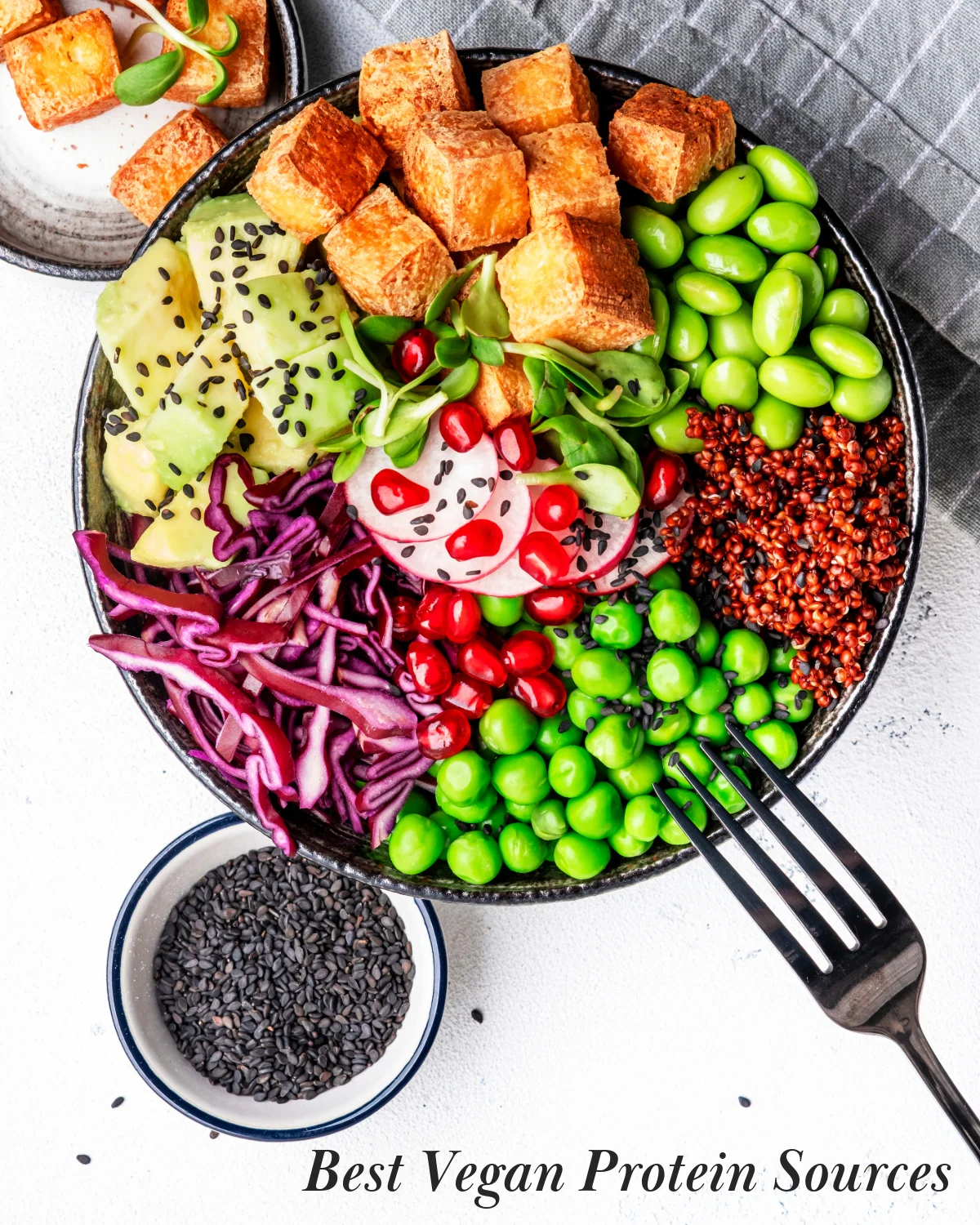
For instance, imagine Julia, who grew up loving her grandmother’s lasagna but now faces high cholesterol. By swapping traditional cheese with nut-based alternatives and using lentils instead of ground beef, she still enjoys her favorite dish without compromising her heart health. This example highlights the practical importance of transforming comfort foods into nourishing meals that align with modern health goals.
Top Plant-Based Ingredient Swaps for Baking
Replacing Eggs and Dairy in Classic Recipes
Baking often depends on eggs and dairy to provide structure, moisture, and richness. However, many plant-based substitutes can replicate these functions effectively. For example, aquafaba—the liquid from cooked chickpeas—mimics egg whites perfectly, allowing you to whip up meringues or lighten cakes. In muffins or brownies, mashed bananas or unsweetened applesauce add moisture and binding power without overpowering flavors.
When it comes to dairy, plant-based milk such as almond, oat, or soy milk can substitute cow’s milk in nearly any recipe. Coconut yogurt or blended silken tofu offer creamy alternatives to sour cream or heavy cream in frostings or fillings. By experimenting with these swaps, bakers can maintain the texture and taste of their treats while eliminating cholesterol and reducing saturated fat.
Using Plant-Based Sweeteners for Added Nutrition

Traditional baking sugars often contribute empty calories that spike blood sugar. Alternatives like maple syrup, date paste, or coconut sugar bring sweetness along with trace minerals and antioxidants. For example, replacing refined sugar in a banana bread recipe with date paste not only deepens the flavor but adds fiber, which slows sugar absorption.
However, it’s important to note that these natural sweeteners still contain sugars, so moderation remains key. When Anna swapped white sugar for maple syrup in her cookie recipes, she found the cookies slightly softer and richer, which encouraged her to reduce the amount used overall. This simple change made her baking more wholesome without sacrificing taste.
Transforming Savory Comfort Foods with Plant-Based Alternatives
Meat Substitutes That Elevate Flavor and Nutrition
Replacing meat in comfort dishes doesn’t mean losing out on flavor or satisfaction. Ingredients like mushrooms, jackfruit, lentils, and tempeh absorb spices and sauces, providing hearty textures that mimic traditional proteins. For example, in a shepherd’s pie, lentils can offer that rich, savory base previously provided by ground lamb or beef.
Take Mark, who loved chili but wanted to lessen his red meat intake. By using a mix of black beans, kidney beans, and finely chopped mushrooms, he created a chili that was just as filling and flavorful but with increased fiber and fewer calories. This kind of swap proves that plant-based doesn’t have to mean bland or boring.
Swapping Traditional Fats for Healthier Oils and Butters
Butter and lard often contribute saturated fats that can raise cholesterol levels. Healthier swaps include olive oil, avocado oil, or nut butters, which provide beneficial fats and improve heart health. For example, using mashed avocado mixed with lime juice as a spread or topping can replace butter in sandwiches or baked goods.
In cooking, roasting vegetables with a drizzle of extra virgin olive oil enhances flavor while adding antioxidants. When making mashed potatoes, blending in some olive oil instead of butter creates a creamy texture and brings a subtly fruity note. These swaps enhance comfort foods without compromising indulgence.
Incorporating Whole Foods: Grains, Legumes, and More
Boosting Fiber and Protein in Your Favorite Dishes
Comfort foods are often heavy on refined carbs and light on nutrients, but incorporating whole foods can balance this out beautifully. Brown rice, quinoa, barley, and farro add chewiness and depth to dishes like risottos or stuffed peppers. Legumes such as chickpeas, lentils, and black beans contribute both protein and fiber, which promote fullness and better digestion.
Consider Clara, who wanted to enjoy her favorite creamy pasta without the usual guilt. By swapping some pasta noodles for cooked chickpeas and adding steamed kale, she boosted the protein content and added a satisfying texture contrast. This approach proves that wholesome ingredients can elevate a meal’s health profile and keep it just as comforting.
Cooking Techniques to Maximize Taste and Nutrient Retention
How you prepare plant-based comfort foods can greatly influence their final taste and nutritional value. For example, roasting vegetables rather than boiling them intensifies flavor through caramelization while preserving nutrients. Slow cooking legumes enhances digestibility and melds spices deeply into the dish.
Steaming greens quickly instead of sautéing over high heat keeps vitamins intact and maintains bright colors and crisp textures. Utilizing techniques like blanching or marinating can reduce bitterness in vegetables such as kale or eggplant, making them more palatable. By paying attention to cooking methods, you ensure that plant-based swaps are delicious and nourishing.
Seasoning and Flavoring Tips for Plant-Based Comfort Foods
One of the challenges with plant-based cooking is replicating the depth and umami often provided by meat and dairy. Creative seasoning can make all the difference. Nutritional yeast, for example, adds a cheesy flavor to sauces and popcorn. Smoked paprika delivers a rich, smoky aroma, perfect in chili or stews.
Fresh herbs like rosemary, thyme, and sage bring aromatic complexity, while acids such as lemon juice or apple cider vinegar brighten up heavier dishes. Using garlic and onion in abundance builds a savory foundation. Liz, who experimented with plant-based cooking, found that blending caramelized onions into soups added richness without relying on cream. These flavor boosts help plant-based comfort foods feel indulgent and satisfying.