Understanding the Science Behind Blanching
What Is Blanching and Why It Matters
Imagine you’re preparing fresh green beans for a summer salad, but you want to maintain their vibrant color and crisp texture. This is where blanching comes in—a quick cooking process involving boiling vegetables briefly and then plunging them into ice-cold water. Blanching is essential not only to brighten colors but also to enhance flavor and extend the shelf life of vegetables, especially when preparing them for freezing or further cooking.
The Role of Enzymes in Vegetable Color and Nutrient Loss
Vegetables contain natural enzymes that, while beneficial for growth, continue acting after harvest, causing undesirable changes such as discoloration and nutrient degradation. For example, when broccoli is left unblanched and frozen, it may turn yellow due to enzyme activity. Blanching deactivates these enzymes, preventing such changes and helping vegetables retain their freshness and nutritional value over time. This step preserves vital vitamins like vitamin C, which are otherwise unstable during prolonged storage.
How Blanching Preserves Quality
Blanching stops the cooking process at just the right moment to lock in texture and preserve nutrients without turning vegetables mushy or dull. For instance, when preparing asparagus for a stir-fry, blanching first helps keep the spears tender yet firm, allowing them to cook evenly later without losing their natural crunch or vivid green color. This delicate balance significantly elevates the overall dish quality.
Step-by-Step Guide to Effective Blanching
Selecting the Right Vegetables for Blanching
Not all vegetables benefit equally from blanching. Leafy greens like spinach and kale often require it to reduce bitterness and enhance color. On the other hand, root vegetables such as carrots and potatoes can be blanched to soften them before freezing. When choosing vegetables, consider their texture and intended use; thicker vegetables generally need longer blanching times than delicate ones. For example, small peas need just 1-2 minutes, while larger chunks of squash may require 3-5 minutes.
Optimal Water Temperature and Timing
Timing is crucial—over-blanching can ruin your vegetables. The water should be at a vigorous boil, typically around 212°F (100°C), to ensure even heat penetration. If you blanch green beans, a good rule of thumb is 2-3 minutes. Too short, and enzymes remain active, leading to spoilage; too long, and you risk losing texture and nutrients. Using a timer and preparing your vegetables in batches prevents overcrowding, which can drastically drop water temperature and hinder the blanching process.
Cooling Techniques to Halt Cooking Process
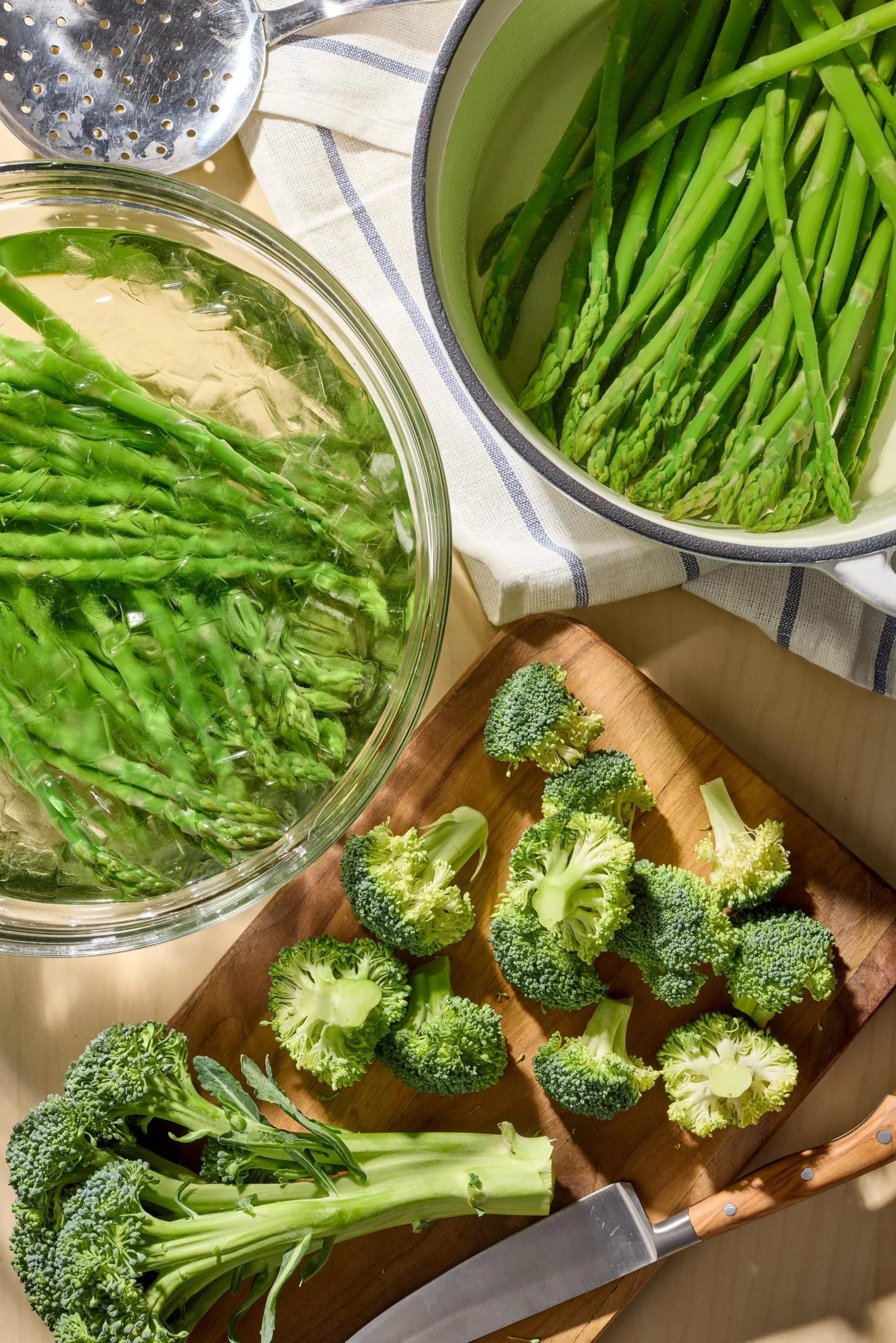
Immediately after boiling, vegetables must be shocked in ice-cold water to stop cooking, a step often underestimated. This rapid cooling halts enzyme action and prevents overcooking. For example, after blanching broccoli florets, plunging them into an ice bath within seconds helps maintain their firm texture and bright green color. Skipping this step can result in limp, dull-colored vegetables no matter how skillful the initial blanching was.
Choosing Between Water Blanching and Steam Blanching
Pros and Cons of Each Method

Water blanching soaks the vegetables directly, which can sometimes strip away water-soluble nutrients and flavor. However, it’s simple and ideal for large batches of hardy vegetables like green beans or carrots. Steam blanching, on the other hand, uses hot steam to gently heat the vegetables, reducing nutrient leaching and preserving texture better. This method works wonderfully with delicate items like asparagus tips or leafy greens. The downside is that steam blanching typically requires specialized equipment and careful timing to avoid uneven cooking.
Impact on Nutrient Retention and Texture
Many home cooks find steam blanching superior for maintaining vibrant colors and crisp textures due to its gentler heat application. For example, steamed broccoli retains more vitamin C and remains firmer than boiled counterparts. That said, if your goal is to prepare a large volume quickly and cost-effectively, water blanching is still a reliable method when properly executed. Choosing the right technique depends largely on vegetable type, quantity, and desired outcome.
Common Mistakes to Avoid During Blanching
Over-blanching and Its Effects on Vegetables
One frequent mistake is over-blanching, which leads to soggy textures and faded colors. For instance, leaving green beans in boiling water for more than 5 minutes causes them to lose their snap and turn dull green. Overcooked vegetables also lose valuable nutrients and become less appealing to the palate. It’s important to adhere to recommended blanching times and monitor the process closely—setting a timer can prevent costly oversights.
Improper Cooling and Its Consequences
Failing to cool vegetables promptly after blanching is another common pitfall. Without immediate ice-water cooling, residual heat continues cooking the vegetables, resulting in softness and nutrient breakdown. For example, gardeners blanching peas for freezing often forget this step, leading to limp peas that lack their original vibrant texture. Making sure you have adequately prepared an ice bath before blanching can save your vegetables from this fate.
Enhancing Nutrient and Color Retention
The Effect of Salt and Additives in Blanching Water
Some cooks add a pinch of salt to blanching water to help maintain color and enhance flavor. Salt can strengthen cell walls, reducing nutrient loss during cooking. Occasionally, a splash of lemon juice or vinegar is used to prevent discoloration in vegetables prone to browning, such as artichokes or potatoes. However, use additives sparingly, as excessive amounts may alter taste or texture unfavorably.
Using Blanching to Prepare Vegetables for Freezing
Blanching is a critical step when freezing vegetables to prolong their shelf life and preserve quality. For example, home gardeners often blanch peas, green beans, and corn before freezing to lock in flavor and nutrients. Proper blanching combined with quick cooling prevents freezer burn and texture degradation, ensuring that vegetables taste fresh even months later. Skipping this step leads to disappointing freezer outcomes.
Blanching in Various Culinary Applications
Prepping Vegetables for Fresh Salads
Blanching is a secret weapon for elevating fresh salads. When preparing a mixed vegetable salad, blanching vegetables like snap peas or carrots softens them just enough to be pleasant but still crisp. It also intensifies their natural colors, making the salad visually appealing. For instance, a chef might blanch green beans for a Niçoise salad, enhancing both color and texture before assembling the dish.
Incorporating Blanched Vegetables in Stir-fries and Soups
In stir-fries and soups, blanching vegetables beforehand cuts down cooking time and ensures even texture. When making a stir-fry with broccoli and bell peppers, blanching broccoli first guarantees it will stay tender-crisp without overcooking during quick sautéing. Similarly, blanching root vegetables before adding them to hearty soups helps achieve the perfect balance of tenderness without turning mushy. This preparatory step lets you control final dish quality more precisely.