Introduction to Sous Vide Cooking
What Is Sous Vide?
Sous vide is a cooking method that involves vacuum-sealing food in a bag and then cooking it in a water bath at a precisely controlled temperature. This technique allows the food to cook evenly and retain moisture, flavors, and nutrients much better than traditional cooking methods. The term “sous vide” means “under vacuum” in French, which perfectly describes the process of sealing the food to enhance its cooking environment.

Benefits of Sous Vide Cooking
The benefits of sous vide cooking include consistent results, tender textures, and enhanced flavors. Because the temperature is kept steady, overcooking is minimized, which means even tougher cuts of meat can become tender without drying out. Additionally, cooking food this way allows you to prepare meals ahead of time, as the food can stay in the water bath for an extended period without compromising quality. This precision and convenience have made sous vide increasingly popular among both home cooks and professionals.
Choosing Affordable Sous Vide Equipment
Key Features to Look For
When selecting budget-friendly sous vide equipment, understanding which features matter most is crucial. Accuracy and temperature stability top the list, as these factors directly affect the cooking outcome. Look for devices with reliable temperature control within a degree or two and water circulation capabilities to maintain even heat distribution. Durability and ease of use also play significant roles; basic digital controls, easy-to-clean designs, and a compact size can improve your overall experience. Finally, consider the device’s warranty and customer support, as affordable doesn’t mean compromising on service.
Reviewing Budget-Friendly Models
Many sous vide machines on the market cater to different budgets, but some models stand out for their combination of performance and price. Brands offering simple immersion circulators often hit the sweet spot, providing solid temperature control and water circulation without extra frills. User reviews generally highlight models that maintain consistent temperatures and have straightforward interfaces as top choices. While they might lack advanced features like app connectivity, these affordable models satisfy the core needs of sous vide cooking effectively.
Preparing for Sous Vide
Essential Tools and Accessories
Getting ready to cook sous vide involves gathering a few key tools beyond the cooker itself. Vacuum sealers are essential for removing air and sealing food safely; however, if you’re on a tight budget, heavy-duty resealable freezer bags can be a suitable alternative when combined with the water displacement method. A large container or pot to hold the heated water is necessary, and it should accommodate the food and allow for good water circulation. Additionally, having clips or racks to keep bags submerged and organized enhances some control over cooking conditions.
Setting Up Your Kitchen for Efficiency
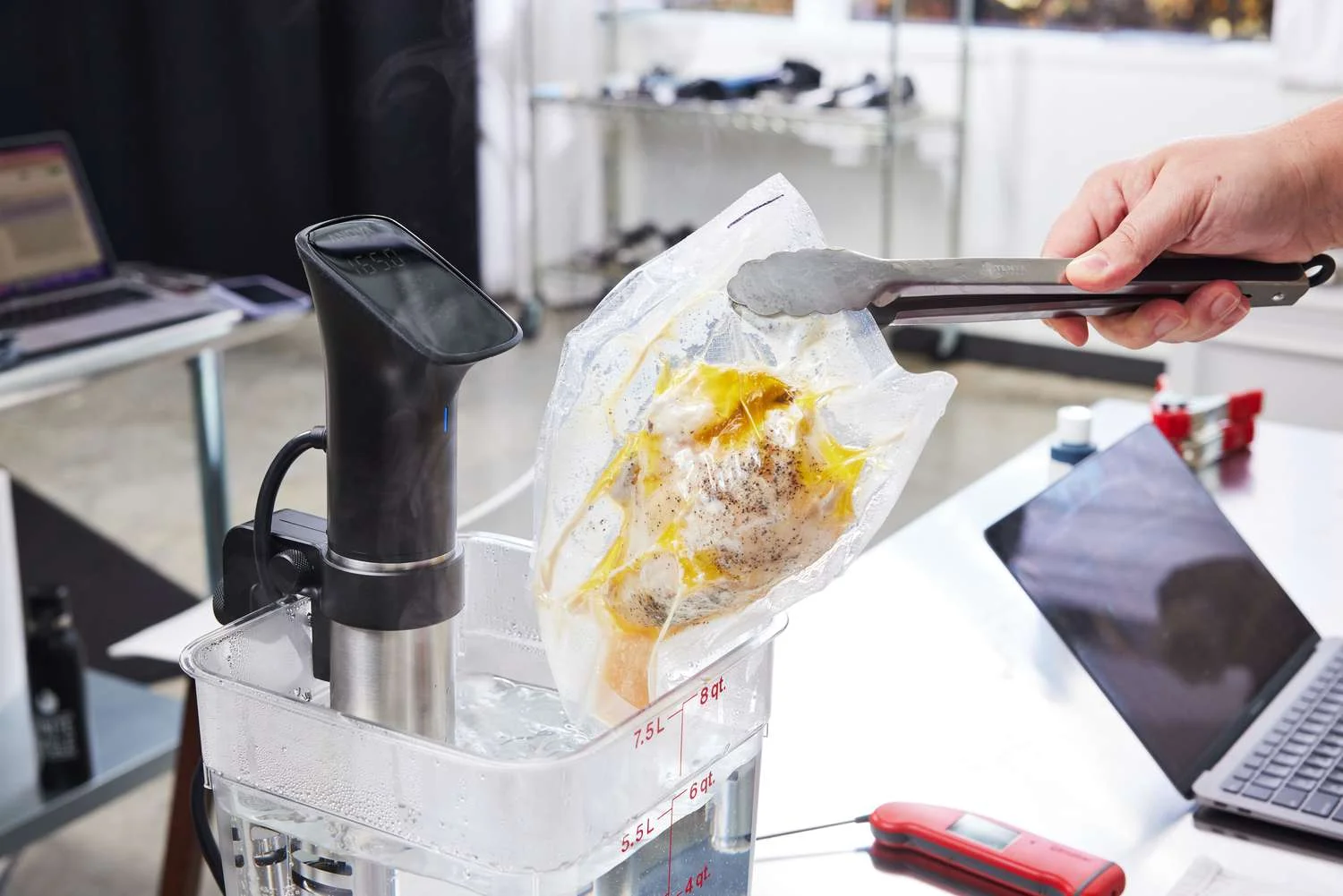
Organizing your kitchen setup can make a big difference in your sous vide experience. Position your water bath near a power outlet and on a sturdy, heat-resistant surface. Ensure there’s enough space for adding or removing bags during cooking without splashing. Preparing ingredients in advance and laying out tools minimizes hassle while cooking. Consider lighting and ventilation, especially for finishing steps like searing afterward. Thoughtful preparation leads to smoother execution and better results.
Step-by-Step Guide to Sous Vide with Inexpensive Gear
Temperature and Time Basics
The cornerstone of sous vide cooking is understanding temperature and time. Lower temperatures, generally between 120°F and 140°F, are ideal for tender cuts of meat, while tougher cuts require longer cooking times at slightly higher temperatures to break down collagen. Fish, vegetables, and eggs each have their unique temperature ranges to maintain optimal texture and flavor. Since affordable equipment can sometimes have minor fluctuations, keep an eye on the temperature and be ready to adjust slightly if needed to avoid overcooking or undercooking.
Sealing Your Food Properly
Proper sealing prevents water from entering the bag and ensures uniform cooking. A vacuum sealer is the most reliable method, but using high-quality, freezer-safe resealable bags with as much air removed as possible works well on a budget. The water displacement technique involves slowly lowering the bagged food into water so that pressure forces the air out before sealing. Double-bagging can also provide extra protection. Avoid overfilling bags to allow heat circulation around the food, which ensures even cooking.
Monitoring and Adjusting During Cooking
Even with affordable equipment, it’s important to monitor the process closely. Check the temperature periodically and adjust if necessary, especially for longer cooks. Keep an eye on water levels, topping up with hot water to maintain consistent temperature without interrupting cooking. Stirring the water occasionally or repositioning bags ensures even heat distribution. Although budget circulators may not come with advanced alerts, setting timers and checking on progress can help avoid mishaps.
Common Mistakes When Using Budget Sous Vide Equipment and How to Avoid Them
A frequent mistake is underestimating the importance of water circulation. Affordable devices may have less powerful circulators, which can lead to uneven temperatures if the bags are packed too tightly or stacked. To avoid this, leave enough space in the water bath and consider using racks or clips. Another issue is inaccurate temperature control. Calibrating your device with an independent thermometer initially can help you understand any deviations. Lastly, neglecting to dry and properly sear food after cooking can result in subpar texture, so allocate time for finishing touches to maximize flavor and appearance.
Enhancing Flavor and Texture with Budget Methods
Marinades and Seasonings That Work Best
Even with affordable equipment, flavor enhancement is easily achievable with well-chosen marinades and seasonings. Simple combinations of herbs, garlic, citrus zest, and spices infuse the food during the slow cooking process. Because sous vide locks in flavors, avoid overpowering the food but focus on layering subtle, complementary tastes. Applying seasoning prior to sealing maximizes absorption. You can also add finishing herbs or fresh elements after cooking to enhance brightness and complexity.
Finishing Techniques: Searing, Broiling, and More
After sous vide cooking, finishing techniques elevate texture and visual appeal. Searing in a hot pan with oil or butter creates a flavorful crust that contrasts the tender interior. If you don’t have a heavy skillet, a broiler or toaster oven can achieve a similar effect by quickly caramelizing the surface. Be sure the food is well dried before finishing to avoid steaming rather than searing. These finishing steps are crucial to bring sous vide dishes to restaurant-quality standards without expensive tools.
Conclusion: Maximizing Results Without Breaking the Bank
Sous vide cooking with affordable equipment is not only possible but also rewarding when approached thoughtfully. Understanding key features, preparing your kitchen, and following precise cooking steps allow you to unlock the method’s benefits without overspending. By avoiding common pitfalls such as poor sealing or inadequate water circulation and mastering simple flavor enhancements and finishing touches, you can achieve delicious, consistent meals. With a little practice, budget-friendly sous vide can become an indispensable part of your culinary routine.