Introduction to Flour Varieties in Artisan Bread
The Role of Flour in Baking Quality Bread
Flour is the foundation of any bread recipe, especially in artisan baking where texture, flavor, and appearance are paramount. The type of flour used directly impacts gluten development, hydration, and ultimately the crumb and crust of the bread. Choosing the right flour is not just a matter of preference; it shapes the entire baking outcome. Without understanding the nuances of different flours, even the most meticulously followed recipe can yield disappointing results.
Overview of Common Flour Types
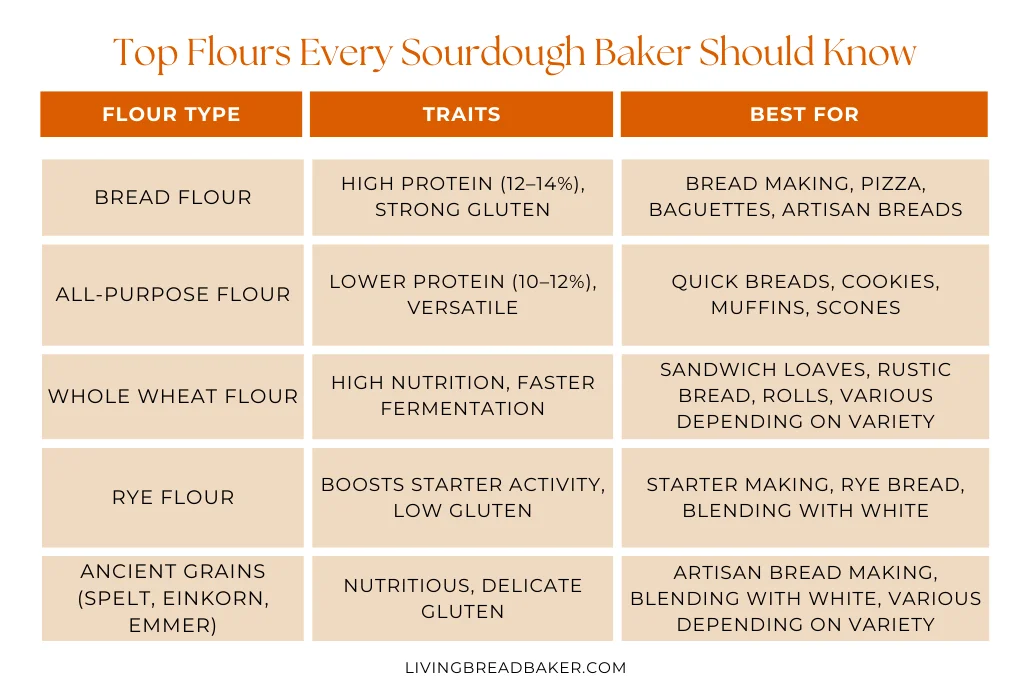
The baking aisle offers a broad array of flours, each with distinct properties. All-purpose flour, bread flour, whole wheat, rye, and ancient grains like spelt are among the popular options for artisan bakers. Each brings unique gluten content, textures, and flavors. Recognizing what each type offers and its ideal uses helps home bakers and professionals alike craft the bread that best suits their taste and technique.
Characteristics of Popular Flours
All-Purpose Flour
All-purpose flour is the most versatile and widely available flour, blending hard and soft wheat varieties. Its moderate protein content allows reasonable gluten development, making it a decent choice for a range of bread styles. However, it may lack the strength needed for breads requiring significant rise and chewy crumb, such as baguettes or sandwich loaves.
Bread Flour
Bread flour stands out due to its high protein content, usually around 12-14%. This protein level is crucial for building strong gluten networks that trap gases and provide bread with structure and elasticity. As a result, bread flour is the preferred choice for artisan breads demanding a robust crumb and defined crust. Without adequate protein, bread can become dense and fail to rise properly.
Whole Wheat Flour
Whole wheat flour includes the bran, germ, and endosperm, making it rich in fiber and nutrients. The bran particles, however, can interrupt gluten strands, leading to denser bread if not managed correctly. Whole wheat bread often requires more hydration and longer fermentation to compensate for these factors. Its hearty flavor and nutritional benefits make it popular, though the resulting bread has a more substantial texture than white flours.
Rye Flour
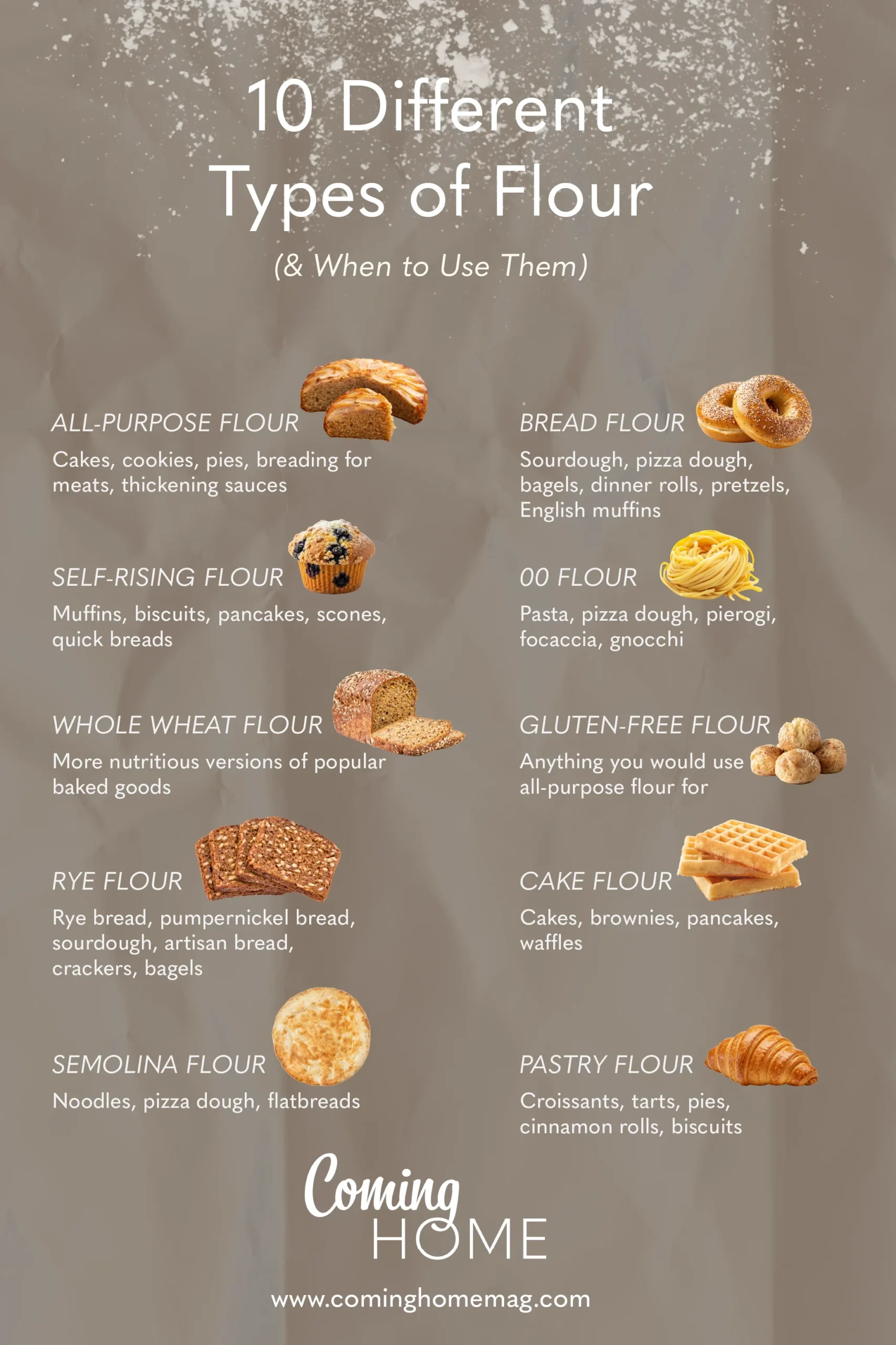
Rye flour contains less gluten-forming protein and more pentosans, which absorb water and affect the dough’s viscosity. This means rye doughs tend to be stickier and denser, resulting in bread with a tight crumb and distinct tangy flavor. Because of its low gluten, rye flour is often blended with other flours to improve structure and volume. Understanding its unique properties is key to successful rye bread baking.
Spelt and Ancient Grain Flours
Spelt and other ancient grains like Kamut or Einkorn have gained popularity for their nutty flavors and nutritional profiles. Spelt contains gluten, but it behaves differently and can be more delicate during kneading. These flours often produce tender crumb but may require gentler handling and adjusted hydration. Substituting ancient grain flours can enhance bread complexity but demands careful experimentation.
Impact of Flour Protein Content on Bread Texture
Understanding Gluten Formation
Gluten development is essential for bread structure, elasticity, and crumb. When flour proteins — primarily glutenin and gliadin — combine with water and kneading, they form gluten networks. These networks trap carbon dioxide produced during fermentation, allowing the dough to rise. Insufficient gluten results in denser, flatter bread, while too strong gluten can make the crumb tough or chewy.
Protein Levels Across Flour Types
The protein percentage in flour directly influences gluten strength. Bread flours with 12-14% protein create more extensive gluten networks compared to all-purpose flour’s 10-12%. Whole wheat and rye flours often have variable protein but present challenges because the bran and other components interfere with gluten bonding. Knowing the protein content helps bakers anticipate dough behavior and adjust techniques accordingly.
Sourcing and Processing Differences
Stone-Ground vs. Roller-Milled Flour
The milling process affects flour texture and nutrient retention. Stone-ground flours are coarser and retain more of the wheat kernel’s components, including oils and bran, which contribute to flavor and health benefits. In contrast, roller-milled flours are finer and often more refined, producing lighter bread but with fewer nutrients. Stone-ground flours may require recipe adjustments, as their coarser particles absorb more water and ferment differently.
Organic vs. Conventional Flours
Choosing between organic and conventional flour depends on preferences regarding pesticide use and environmental impact. Organic flours are made from wheat grown without synthetic fertilizers or pesticides, often enhancing flavor subtly through better soil health. While organic status doesn’t dramatically change baking properties, some artisans prefer it for sustainability and perceived quality. It is important to note the potential cost difference without sacrificing performance.
How Different Flours Affect Flavor Profiles
Earthy and Nutty Notes
The flavor impact of flour is often overlooked but vital in artisan bread. Whole wheat and ancient grain flours impart deep, earthy, and nutty characteristics that enrich the bread’s complexity. Rye flour contributes a distinctive robust and slightly sour taste, favored in traditional recipes. In contrast, white flours produce a milder, more neutral base that highlights fermentation or additional ingredients.
Sourness and Sweetness Variations
Fermentation interacts with flours differently, influencing sourness and sweetness in the final loaf. Rye and whole wheat flours tend to ferment more quickly, accentuating tangy and slightly sweet notes. The sugars in these flours provide more food for yeast and lactobacilli, developing richer flavor profiles. Understanding these nuances helps bakers tailor fermentation times and temperatures for balanced taste.
Practical Tips for Baking Artisan Bread With Various Flours
Adjusting Hydration Levels
One common baking challenge is incorrect dough hydration, which varies depending on flour type. Whole wheat and stone-ground flours absorb more water due to bran content, requiring an increase in hydration to maintain dough elasticity. Conversely, rye flour doughs absorb water differently and can become sticky if overhydrated. Bakers should gradually adjust water quantities and observe dough behavior to find the ideal balance for each flour.
Fermentation Times for Different Flours
Different flours ferment at different rates because of their enzyme activity and nutrient content. Rye and whole wheat often speed up fermentation, which can lead to over-proofing if not monitored. Using shorter fermentation periods or cooler temperatures can help maintain dough strength and flavor. On the other hand, white flours with less enzymatic activity may need longer proofing to develop full flavor and volume.
Blending Flours for Optimal Results
Combining different flours is a strategic way to balance flavor, texture, and baking properties. For example, blending bread flour with whole wheat can improve rise and crumb while retaining nutritional benefits and taste complexity. Similarly, mixing rye with white flour reduces density and facilitates gluten formation. Experimenting with blends allows bakers to customize breads that meet their desired characteristics without sacrificing performance.
Conclusion: Selecting the Right Flour for Your Artisan Bread Style
Choosing the right flour is critical to producing high-quality artisan bread. Understanding the properties and limitations of each flour type—from protein content and milling process to flavor impact—enables targeted adjustments in hydration, fermentation, and blending. While bread flour offers strong structure, whole wheat and ancient grains enrich flavor and nutrition, and rye brings unique character. By mastering these factors, bakers can confidently select flours that align with their style and produce consistently exceptional artisan loaves.