Understanding Gluten-Free Baking Basics
What is Gluten and Why Avoid It?
Gluten is a group of proteins found primarily in wheat, barley, and rye. It provides elasticity and structure to dough, helping it rise and maintain its shape. However, many people need to avoid gluten due to medical conditions such as celiac disease or gluten sensitivity. For them, consuming gluten can cause digestive discomfort, inflammation, and other serious health issues. Even for those without these conditions, some prefer gluten-free baking as a way to explore diverse ingredients or improve digestion.
Common Challenges in Gluten-Free Baking
Switching to gluten-free baking often leads to problems with texture, flavor, and moisture. Because gluten acts as a binder and provides chewiness, its absence can leave baked goods crumbly and dry. Moreover, gluten-free flours can vary greatly in taste and absorbency, making it difficult to find the right balance. Without proper substitutes and techniques, gluten-free treats may fail to rise properly or lack the satisfying mouthfeel of traditional baked items.
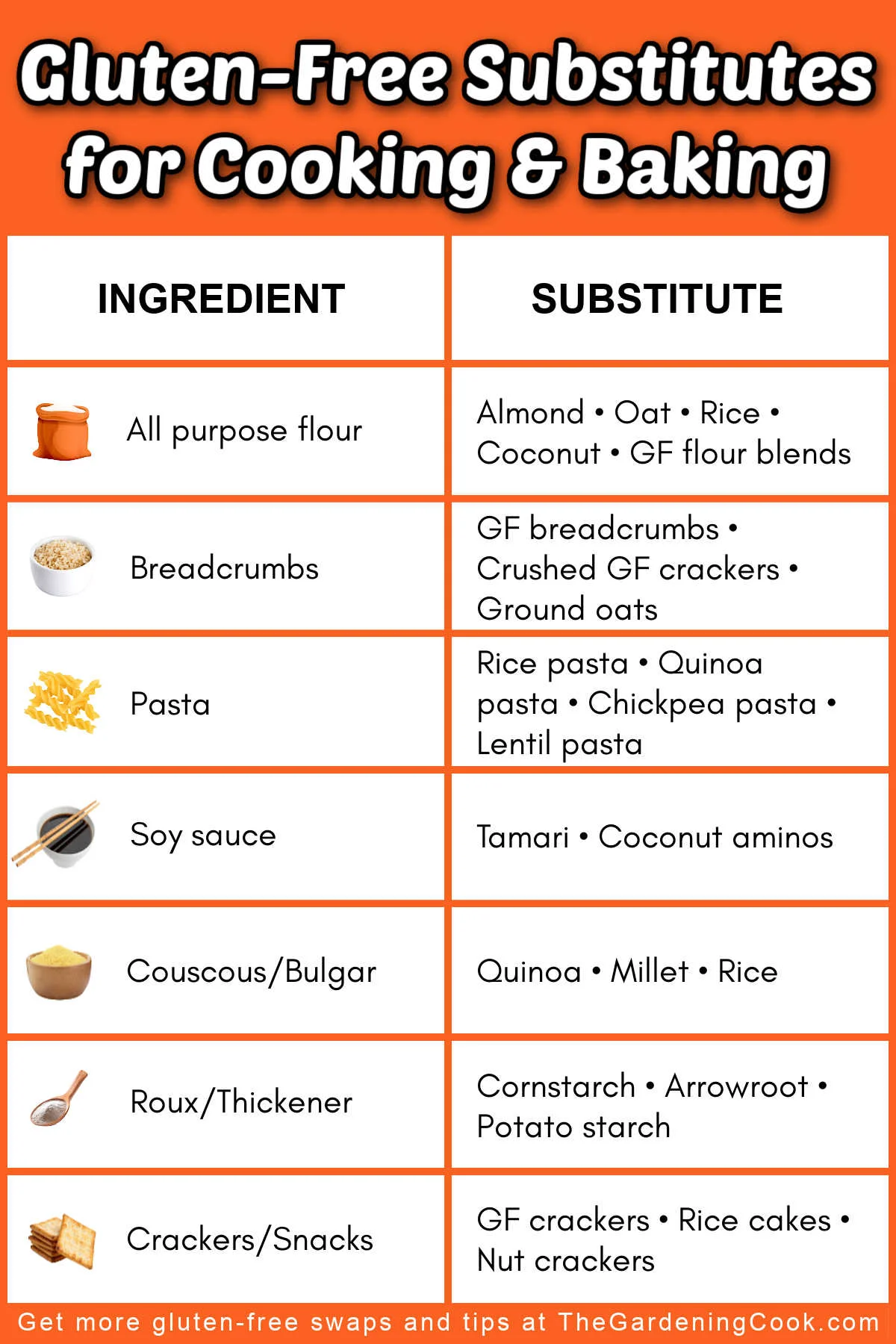
Top Easy Substitutes for Gluten Flour
Almond Flour: Nutritional Benefits and Uses
Almond flour is a fantastic gluten-free substitute that enhances both nutrition and flavor. Rich in protein, healthy fats, and vitamin E, it adds a subtle, nutty taste to baked goods. Its natural moisture content helps keep cakes and muffins tender. However, almond flour can make recipes dense if used alone, so blending it with other gluten-free flours often yields better results. It is especially suited for cookies, quick breads, and pastries where rich texture is desirable.
Coconut Flour: Tips for Moist and Fluffy Bakes
Coconut flour offers a high-fiber, low-carb alternative but requires careful handling due to its absorbent nature. Without adjusting liquid quantities, baked goods can turn out dry and crumbly. Adding extra eggs or fruit purees compensates for moisture loss and improves fluffiness. Coconut flour’s mild, slightly sweet flavor blends well in cakes and muffins, particularly those with tropical or spiced profiles. Mastering liquid ratios is key to unleashing its potential without sacrificing texture.
Rice Flour Variations for Texture Balance
Rice flour, in its white or brown forms, is a staple in gluten-free baking thanks to its neutral taste and fine texture. White rice flour produces lighter baked goods, whereas brown rice flour contributes more fiber and earthiness. However, rice flour alone can cause gritty or dense results, so combining it with starches like tapioca or potato starch often improves texture. Using rice flour blends allows for a balance between structure and softness, making breads and pancakes more appealing.
Natural Binders That Replace Gluten
Chia Seeds and Flaxseeds as Egg Alternatives
Since gluten provides binding and elasticity, gluten-free baking often needs an alternative to hold ingredients together. Chia seeds and flaxseeds, when ground and mixed with water, create a gel-like substance that mimics eggs’ binding properties. This natural, plant-based binder not only helps maintain structure but also adds omega-3 fatty acids and fiber. Using these seeds prevents crumbling and improves the crumb of muffins, breads, and cookies.
Xanthan Gum and Guar Gum: When and How to Use Them
Xanthan gum and guar gum are common additives that compensate for gluten’s absence by stabilizing dough and improving chewiness. These gums work in small amounts to create elasticity and prevent crumbly textures. Choosing between them depends on the recipe; xanthan gum is versatile and widely used, while guar gum is slightly more effective in cold applications. Overuse can cause a gummy or dense result, so precise measurement and gradual experimentation are essential when incorporating these gums.
Boosting Nutrition with Ingredient Swaps
Incorporating Seeds and Nuts for Added Protein
To enhance the nutritional profile of gluten-free baked goods, adding seeds and nuts is an excellent strategy. Ingredients like pumpkin seeds, sunflower seeds, and chopped walnuts contribute protein, healthy fats, and minerals. Beyond nutrition, they provide interesting textures and bursts of flavor that keep baked items satisfying. However, it’s important to balance these additions to avoid overly heavy or oily results, ensuring the overall batter remains workable and balanced.
Using Fruit Purees to Add Fiber and Natural Sweetness
Fruit purees such as applesauce, mashed bananas, or pumpkin offer a natural way to boost both moisture and fiber content. They reduce the need for added sugars and fats by contributing natural sweetness and softness. This swap is especially useful in muffins, quick breads, and cakes where moisture retention is crucial. However, it’s important to adjust the amount of other liquids accordingly to prevent soggy or overly dense outcomes, making experimentation key for optimal texture.
Practical Tips for Maintaining Flavor and Texture
Balancing Moisture in Gluten-Free Recipes
One of the biggest pitfalls in gluten-free baking is achieving the right moisture level. Too little moisture results in dry, crumbly goods, while too much can make them dense or gummy. This challenge arises because gluten-free flours absorb liquids differently. To counteract this, it’s helpful to combine flours with varying absorption rates and include moist ingredients like yogurt, oils, or fruit purees. Testing small batches can guide precise liquid adjustments for ideal texture.
Enhancing Taste Without Artificial Additives
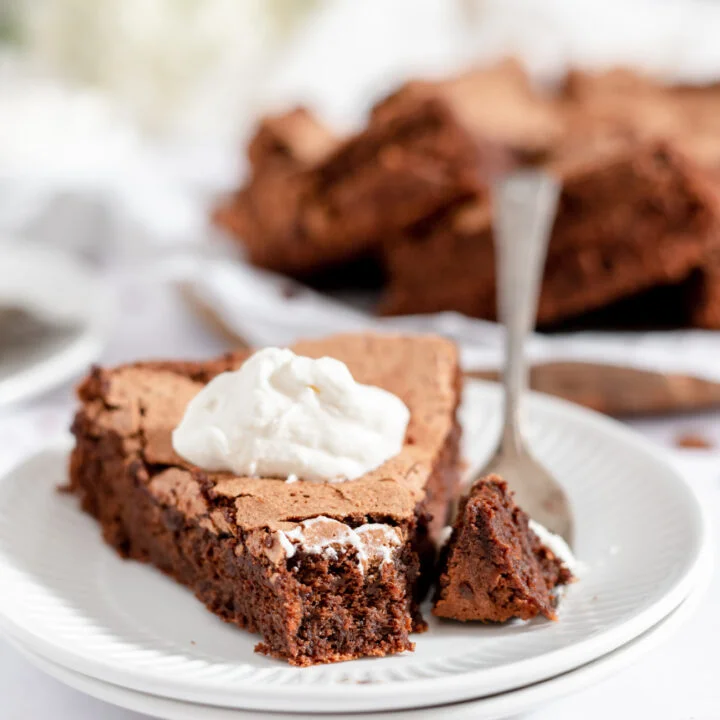
Maintaining rich flavor in gluten-free baked goods often requires creative approaches since some gluten-free flours lack inherent taste. Using natural flavor enhancers like vanilla extract, citrus zest, or spices such as cinnamon and nutmeg can elevate the final product. Additionally, incorporating nuts, seeds, and natural sweeteners improves both taste and nutrition without resorting to artificial additives or excessive sugar. This keeps the baked goods wholesome while satisfying the palate.
Recipe Ideas Featuring Easy Gluten-Free Substitutes
Simple Muffins Using Almond and Coconut Flours
Combining almond and coconut flours creates muffins that are moist, flavorful, and nutrient-dense. Using almond flour’s richness alongside coconut flour’s fiber content helps achieve a tender crumb. Adding mashed banana or applesauce provides natural sweetness and moisture, while flaxseed gel replaces eggs as a binder. These muffins balance nutrition and taste, making them ideal for breakfast or snacks without gluten-related concerns.
Hearty Bread Recipes Leveraging Rice Flour and Binders
Gluten-free bread can be challenging to perfect, but using rice flour blends with xanthan gum or flaxseed gel results in satisfying loaves. Brown rice flour adds bulk and flavor, while white rice flour lightens the texture. Including chia seeds or flaxseeds can enhance structure naturally, reducing dependency on gums. Combining these ingredients with effective rising agents and enough hydration helps produce bread that is chewy and hearty rather than dry and crumbly, making gluten-free bread baking much more approachable.