Introduction to Baking for Beginners
Why Having the Right Tools Matters
Starting to bake can be exciting but also overwhelming when faced with a vast array of gadgets and utensils. Many beginners struggle with inconsistent results, often due to not having the proper tools. The right baking tools simplify processes, improve accuracy, and ultimately boost confidence in the kitchen. Without them, even simple recipes can become frustrating and lead to poor outcomes, causing beginners to lose motivation.
How Proper Equipment Affects Your Baking Success
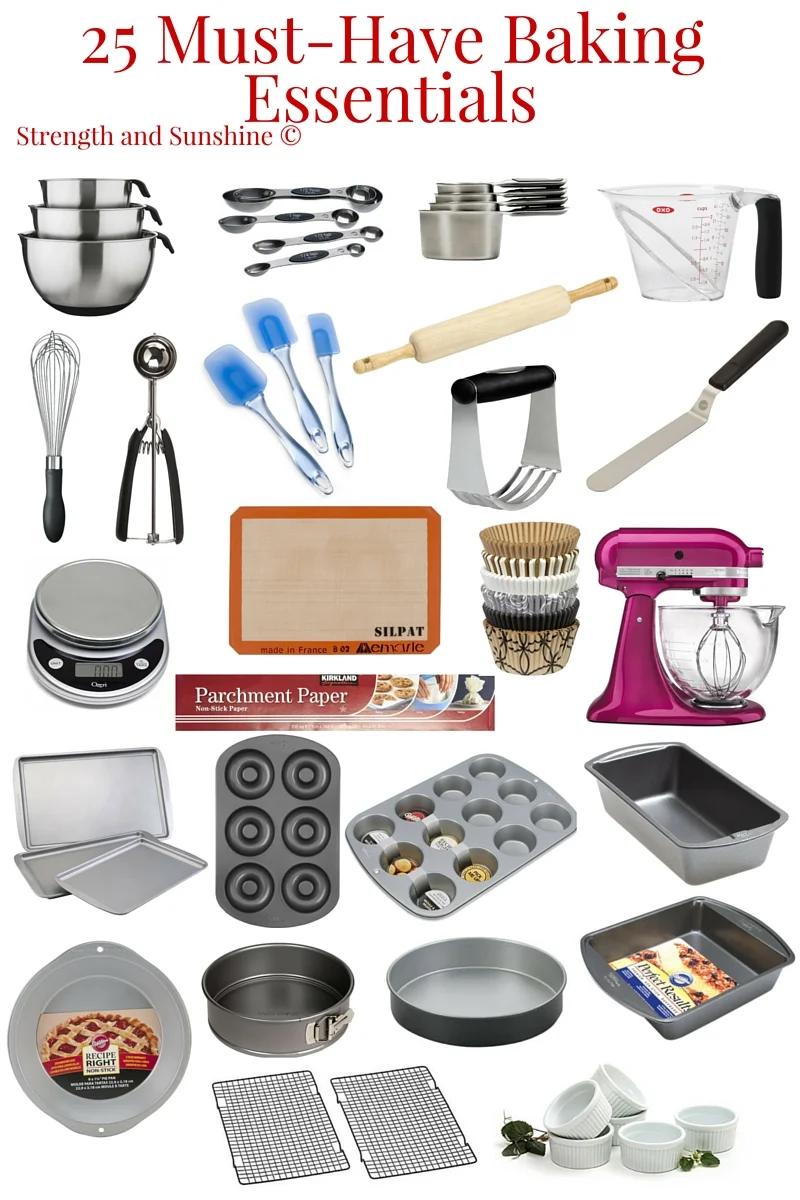
Baking is a science that requires precise measurements and controlled conditions. Using inappropriate or substandard tools can lead to wrong ingredient amounts, uneven mixing, or improper baking temperatures. For example, inaccurate measuring spoons or scales result in incorrect proportions, directly impacting taste and texture. Similarly, the wrong type of pan can alter cooking times and final appearance. Therefore, investing in essential equipment sets the foundation for achieving consistent, delicious baked goods.
Must-Have Baking Tools for Every Starter Kit
Measuring Essentials: Cups, Spoons, and Scales
One of the most common problems new bakers face is measuring ingredients inaccurately. Using random household spoons or cups is imprecise and can ruin a recipe. The solution is to acquire a basic set of measuring cups and spoons tailored for dry and liquid ingredients, ensuring accuracy. Additionally, a digital kitchen scale is invaluable because many recipes list weights rather than volumes, providing reliable results that are less prone to errors.
Mixing Equipment: Bowls and Mixers
Another challenge beginners encounter is mixing ingredients evenly, which affects dough texture or batter consistency. While mixing by hand is possible, it’s often time-consuming and tiring. Starting with a set of sturdy mixing bowls in various sizes allows for comfortable preparation. If budget allows, a basic electric hand mixer can save effort and improve mixing quality, reducing lumps and ensuring all components blend smoothly.
Baking Pans and Trays Explained
Choosing the right baking pan or tray is crucial since each type serves different purposes. A common mistake is using random cookware that doesn’t suit the intended recipe, leading to uneven baking or burnt edges. Beginners should start with a few versatile pieces such as a standard cake pan, a loaf pan, and a baking sheet. These options cover most beginner recipes and help develop familiarity with baking times and heat distribution.
Specialized Tools That Make Baking Easier
Spatulas, Whisks, and Dough Scrapers
Once foundational tools are in place, certain specialized utensils help refine technique and efficiency. For instance, a flexible spatula is indispensable for scraping batter out of bowls, minimizing waste. Whisks incorporate air into mixtures like eggs or cream, which is vital for fluffiness. Dough scrapers help divide and shape dough neatly, a task otherwise tricky for beginners. These tools address specific needs, making baking tasks less daunting and more precise.
Thermometers and Timers: Precision in Baking
Precision is key in baking, and relying on guesswork for oven temperatures or baking durations often results in undercooked or burnt goods. Inaccurate oven thermostats cause unpredictable heat, so an oven thermometer provides a reliable reading to adjust settings appropriately. Likewise, a timer prevents overbaking by reminding the baker exactly when to check or remove items from the oven. These devices eliminate uncertainty, significantly improving outcomes.
Materials Matter: Choosing Tools That Last
Silicone vs. Metal vs. Plastic: Pros and Cons
Beginners often overlook the importance of tool materials, which affects durability and baking performance. Silicone tools are flexible, heat-resistant, and easy to clean, making them ideal for spatulas and mats. Metal tools, such as stainless steel bowls and whisks, offer sturdiness and longevity but can be heavier and sometimes more expensive. Plastic tools tend to be budget-friendly but may warp under heat or stain easily. Selecting materials that balance durability with ease of use ensures the baking toolkit remains effective over time.
Budget-Friendly Tips for Building Your Baking Toolkit
Where to Invest and Where to Save
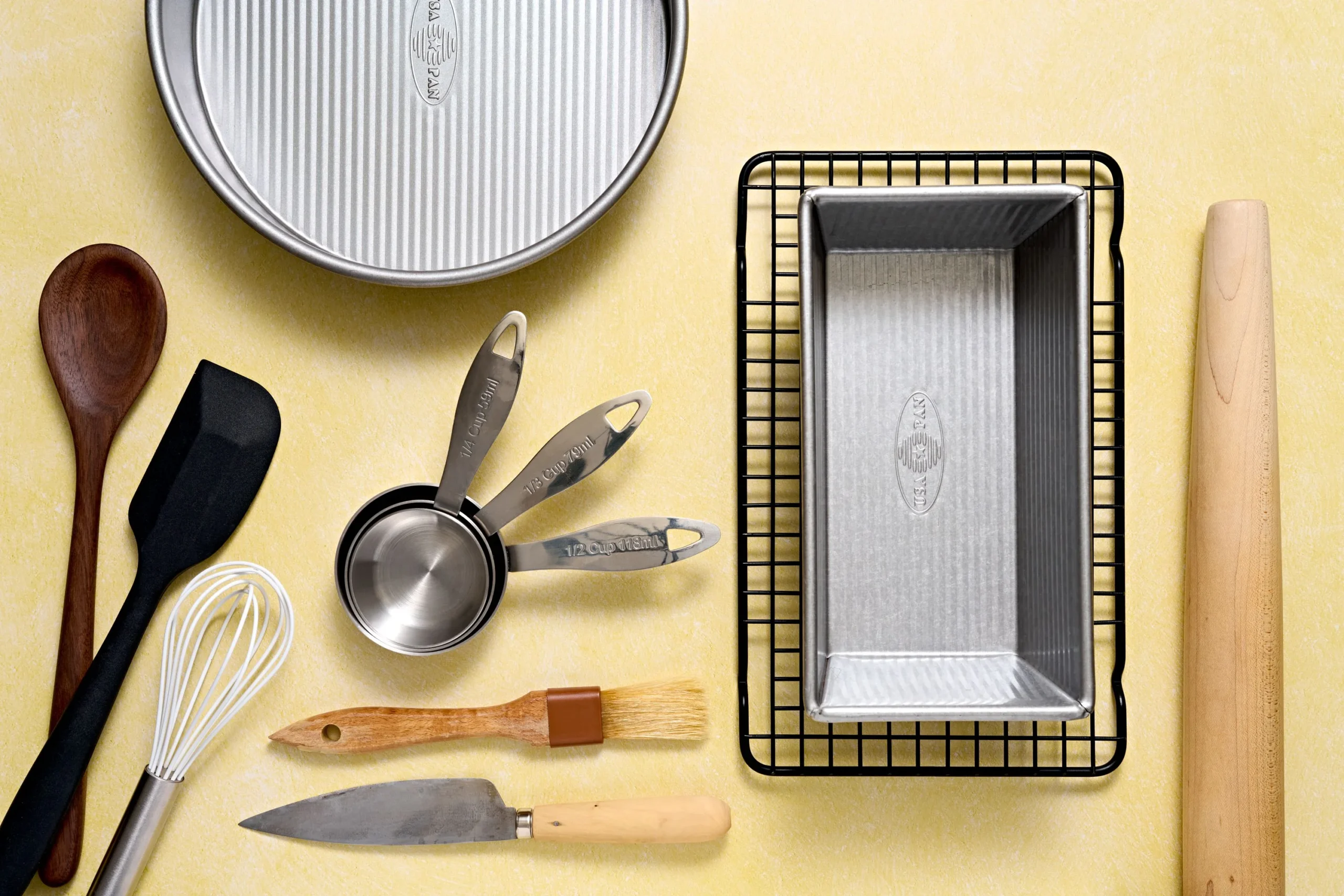
Beginners frequently face budget constraints and risk purchasing unnecessary or low-quality items. The key is to prioritize spending on tools that impact baking quality, such as accurate measuring devices and reliable pans. Conversely, items like decorative tools or specialty gadgets can wait until basic skills are mastered. Investing wisely in a few quality essentials prevents waste and prepares bakers for progressive skill-building without overwhelming costs.
Multi-Purpose Tools for Small Kitchens
Space limitations in many homes require thoughtful tool selection. Choosing multi-functional items reduces clutter and extends functionality. For example, mixing bowls can double as storage containers, and a hand mixer can perform whisking and blending tasks. Compact timers with multiple settings and foldable spatulas enhance usability without occupying extra space. These solutions address practical challenges while maintaining the quality needed for successful baking.
Common Mistakes Beginners Make With Baking Tools
How to Avoid Overbuying
One frequent issue is accumulating too many specialized tools prematurely, which overwhelms beginners and wastes money. This often stems from a misunderstanding that more equipment automatically leads to better results. Instead, focusing on mastering basic tools fosters skill development and reduces confusion. Carefully selecting items based on actual recipe needs and gradually expanding the toolkit as experience grows prevents clutter and simplifies the baking journey.
Proper Care and Maintenance Tips
Another overlooked aspect is tool maintenance, which, if neglected, shortens their lifespan and affects baking outcomes. For example, failing to clean measuring spoons thoroughly can contaminate flavors, while improper storage of pans may cause warping or rust. Regular washing with warm water, drying completely, and storing tools in designated spots preserves their function. This practice ensures tools remain reliable and safe, supporting consistent baking success over time.