Introduction to Simplifying Bread Baking at Home
Baking bread at home can be a rewarding and enjoyable experience, but it often requires the right tools to make the process smoother and more consistent. Knowing which kitchen utensils to invest in can transform bread baking from a complex chore into a straightforward routine. This guide will explore the essential utensils you need to simplify homemade bread baking and improve your results.
Why the Right Utensils Matter
The tools you use have a direct impact on the quality and ease of your bread baking. Proper utensils help with accurate measurements, efficient mixing, and precise shaping, all of which are crucial for good dough development and baking. Without the right equipment, even simple tasks can become frustrating, leading to inconsistent bread texture and appearance.
Common Challenges Without Proper Tools
Many home bakers struggle to achieve consistent dough texture, proper proofing, or an appealing crust when missing key utensils. Difficulties like dough sticking to surfaces, uneven shaping, poor fermentation, or inaccurate ingredient ratios often arise. These challenges can be discouraging and may cause bakers to give up before mastering the craft.
Must-Have Utensils for Every Home Baker
Mixing Bowls: Types and Sizes
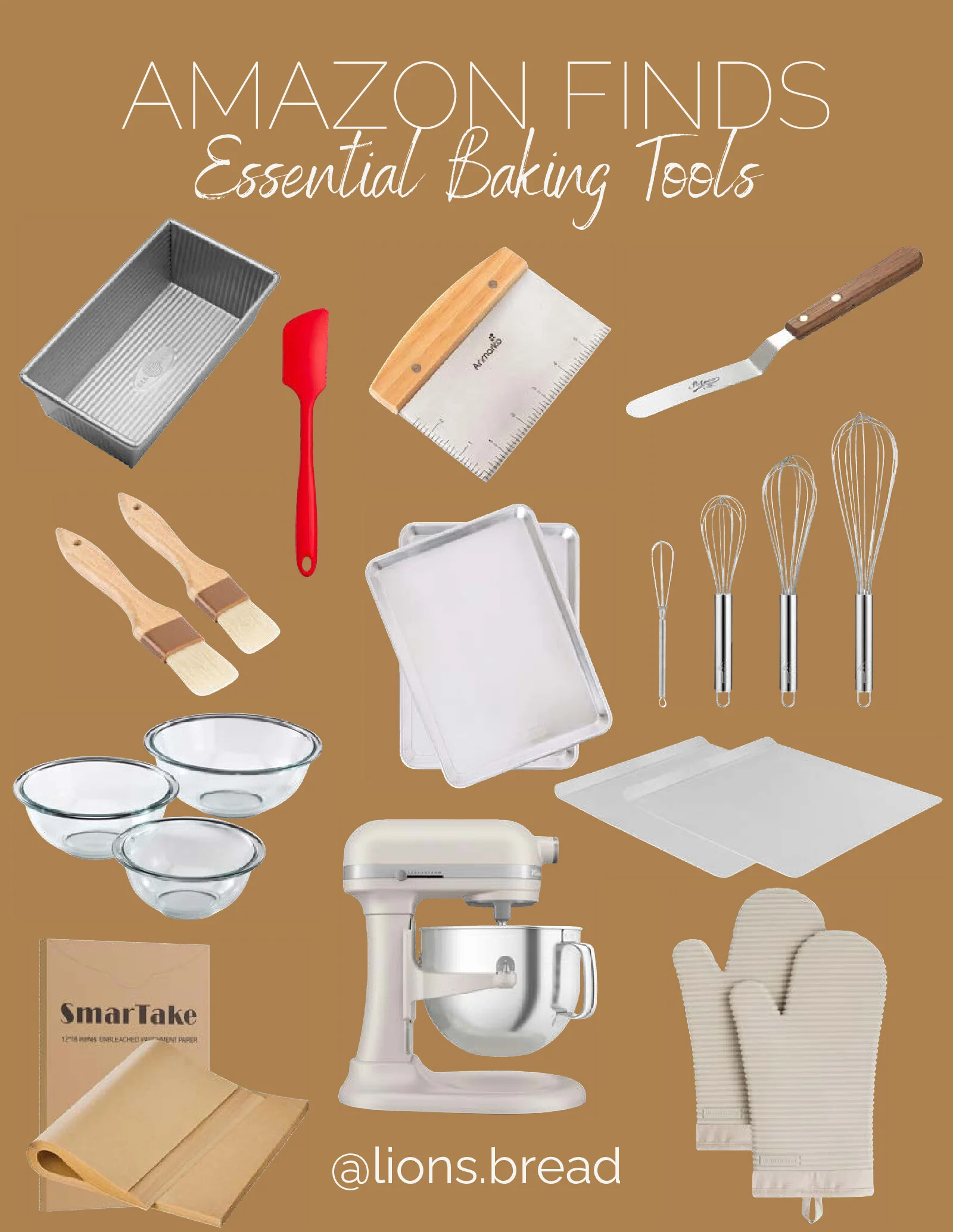
High-quality mixing bowls are foundational. Stainless steel bowls are durable and non-reactive, while glass bowls allow you to monitor dough rise. It’s practical to own various sizes, from small for ingredient preparation to large for kneading and bulk fermentation. A stable base and easy-to-clean surface improve workflow significantly.
Dough Scrapers and Bench Knives
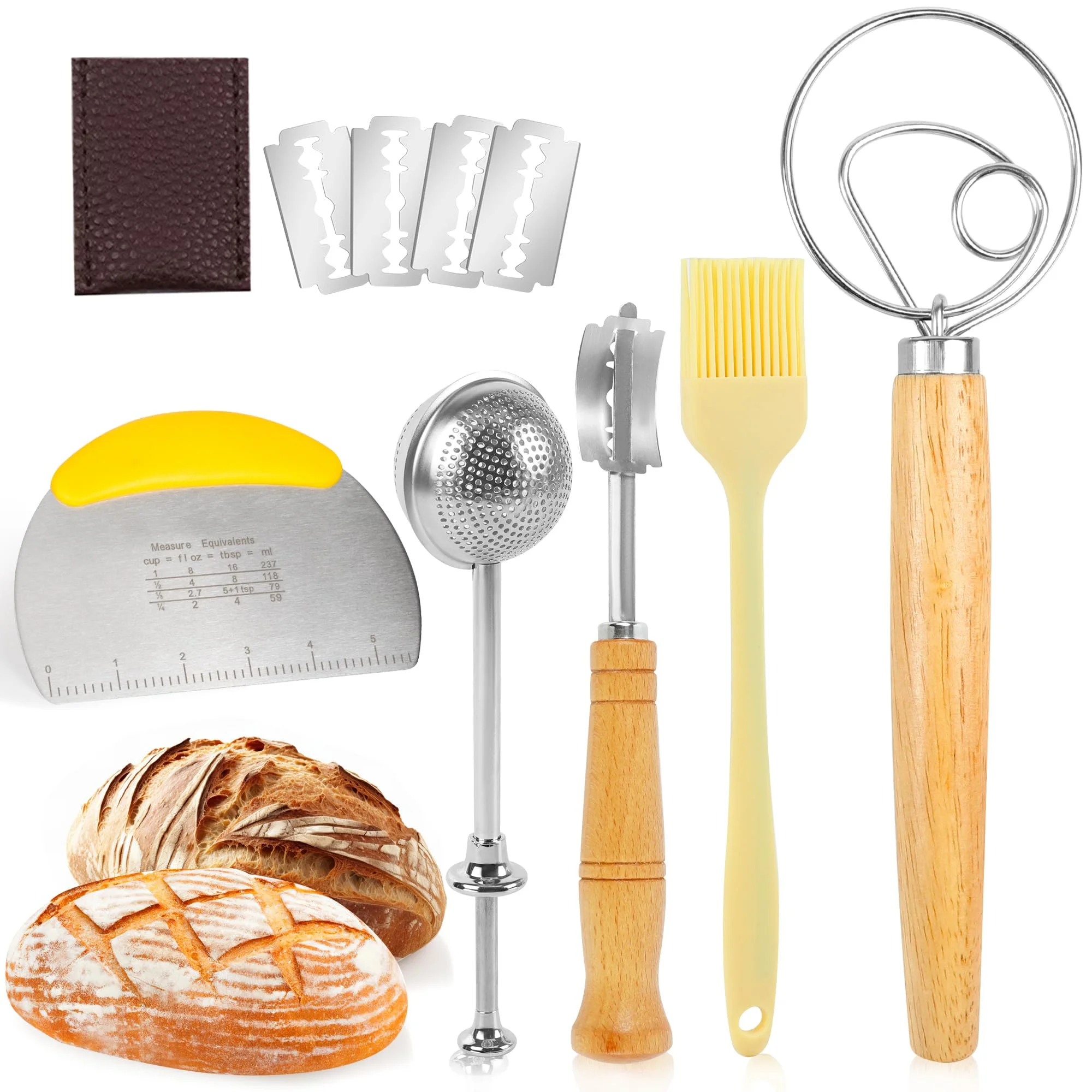
Dough scrapers help handle sticky dough, clean surfaces, and portion dough accurately. Bench knives serve similar purposes but with a sharper edge for cutting. These tools also assist in folding and shaping dough to develop gluten structure without excessive flour, which is essential for preserving dough moisture.
Measuring Tools: Accuracy and Consistency
Precise measurements guarantee consistent results. Standard measuring cups can work but often lack precision for bread baking. Using graduated measuring spoons for small ingredients and a digital scale for flour and liquids ensures accuracy, which is vital for proper fermentation and crumb texture.
Specialized Utensils That Improve Bread Quality
Proofing Baskets: Enhancing Shape and Texture
Proofing baskets, or bannetons, allow dough to hold its shape during the final rise. They create beautiful patterns on the crust and promote even fermentation by controlling moisture. Using these baskets helps bakers achieve professional-looking loaves and consistent crumb structure.
Baking Stones and Dutch Ovens
Baking stones distribute heat evenly, emulating brick ovens and creating a crisp crust. Dutch ovens trap steam, essential for proper oven spring and crust development. Both tools greatly improve the texture of homemade bread by replicating bakery conditions that are hard to achieve in typical home ovens.
Lame and Scoring Tools for Perfect Crusts
Scoring dough with a lame or sharp blade controls expansion during baking and adds an aesthetic touch to the crust. Proper scoring prevents unwanted cracks and allows steam to escape, contributing to a better oven spring and an artisan appearance.
Additional Accessories to Streamline the Process
Digital Kitchen Scales
Digital scales provide precise weight measurements, crucial for consistency in recipes. They also simplify scaling up or down and allow for easy conversion between units. A reliable scale is often the best investment a baker can make for consistent results.
Thermometers for Optimal Dough Temperature
Temperature influences yeast activity and dough development. Using an instant-read thermometer lets you monitor water and dough temperature to maintain optimal fermentation conditions. This helps avoid under or over-proofed dough, ensuring better texture and flavor.
Cooling Racks and Storage Solutions
After baking, cooling racks prevent soggy crusts by allowing air circulation around the loaf. Proper storage containers or bread boxes maintain freshness and protect bread from drying out. These accessories contribute to enjoying your bread at its best for longer periods.
Choosing Utensils Based on Different Bread Types
Utensils for Artisan Breads
Artisan breads benefit from tools that enhance crust and crumb quality, such as proofing baskets, baking stones, and scoring lames. The focus is on controlling fermentation and oven conditions to develop complex flavors and textures. Durable, easy-to-clean tools are preferred to manage the sticky and wet doughs involved.
Tools for Sandwich and Quick Breads
Sandwich and quick breads require less specialized equipment. Standard loaf pans, mixing bowls, and measuring tools suffice. Attention to precise measurements and even baking is important, but these breads generally demand fewer specialized utensils, making them accessible to beginner bakers.
Maintaining and Caring for Your Bread Baking Tools
Cleaning Best Practices
Proper cleaning extends the life of your utensils. Most tools benefit from hand washing to avoid damage caused by harsh dishwasher cycles. Avoid abrasive cleaners on wooden or delicate surfaces, and ensure everything is dried thoroughly to prevent rust or mold growth.
Storage Tips to Extend Tool Lifespan
Store utensils in a dry, organized space to maintain their condition. Separating sharp tools like lames in protective sheaths prevents accidents and maintains their edge. Keeping proofing baskets in a clean, dry environment prevents mildew and retains their effectiveness.
Conclusion: Investing in Utensils to Boost Your Homemade Bread Experience
Investing in essential kitchen utensils makes bread baking more efficient, enjoyable, and successful. The right tools contribute to consistent results and enhance the quality of your homemade bread. By equipping yourself wisely and maintaining your equipment, you set the stage for a fulfilling baking journey with delicious outcomes.