Introduction to Southeast Asian Street Food Culture
Overview of Street Food in Southeast Asia
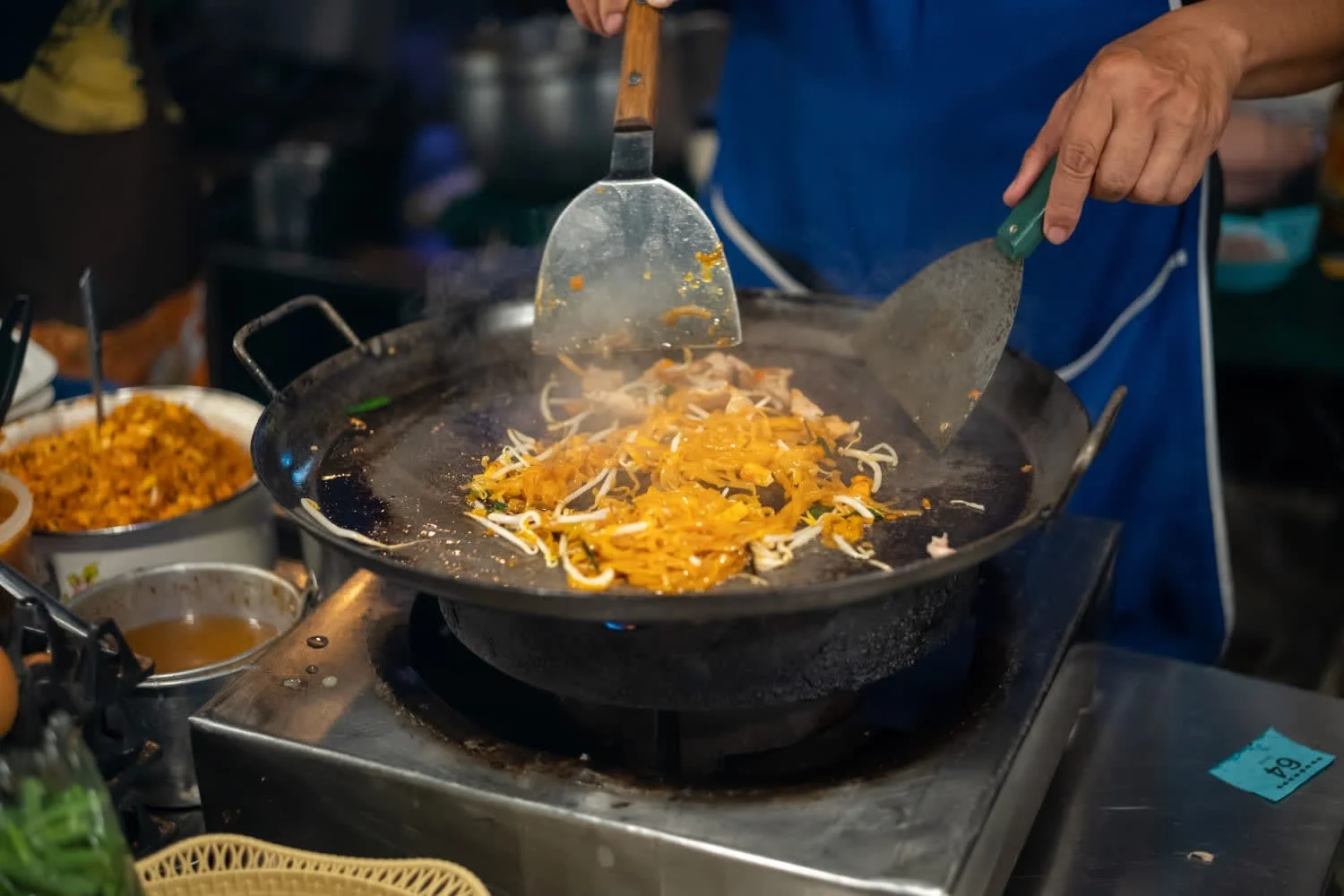
Imagine walking through the bustling streets of Bangkok, Hanoi, or Jakarta, where the air is filled with the aroma of sizzling satay, fragrant herbs, and sweet caramelized treats. Street food is not just a way to satiate hunger in Southeast Asia; it is an everyday spectacle that brings life to the city and connects people from all walks of life. From humble vendors with carts to busy night markets, street food in this region offers an experience rich in flavor, history, and community.
Historical Roots and Evolution
The tradition of street food in Southeast Asia dates back centuries, tied closely to the daily lives of farmers, traders, and laborers who needed quick and affordable meals. Markets sprung up along trade routes where different cultures met, bringing together spices, ingredients, and cooking techniques that shaped the flavors we recognize today. Over time, colonial influences, migration, and urban growth transformed street food, blending old recipes with new ideas, yet always retaining a deep sense of regional identity.
Community and Social Dynamics Around Street Food
The Role of Street Food Markets in Daily Life
In many Southeast Asian cities, street food markets are as vital as supermarkets to the local communities. For residents, these markets are where the day starts and ends, a place to grab breakfast or unwind with friends after work. For example, in Manila, the lively street food stalls offer quick meals to office workers, while in Penang, markets gather families for weekend outings. These spaces serve not only as economic hubs but also as essential social venues where people gather, share news, and strengthen community bonds.
How Street Food Fosters Social Interaction
The street food scene fosters a unique kind of social interaction that breaks down barriers. Whether it’s sitting side-by-side on small plastic stools with strangers over a bowl of pho in Hanoi or sharing a plate of rojak in Kuala Lumpur, the casual setting encourages conversation and connection. For many, these moments become part of their daily social ritual, creating a sense of belonging and shared cultural identity. The simplicity of the setting removes formalities and invites warmth, laughter, and storytelling.
Cultural Identity Expressed Through Flavors and Ingredients
Signature Dishes from Key Southeast Asian Countries

Distinct flavors define each country’s street food culture, showcasing local ingredients and culinary creativity. Thailand’s famous som tam (spicy green papaya salad) reflects the balance of sweet, sour, salty, and spicy that Thai cuisine is known for. Vietnam’s bánh mì sandwiches blend French and Vietnamese influences, while Indonesia’s nasi goreng, a fried rice dish, exemplifies the use of aromatic spices and fresh produce. Each dish tells a story of the land, climate, and history of its people, making them powerful symbols of cultural pride.
Traditional Cooking Techniques and Their Cultural Meaning
Many street food dishes are prepared using time-honored methods passed down through generations. Techniques like charcoal grilling, slow simmering of broths, or pounding spices in a mortar and pestle are not only about flavor but also about preserving cultural heritage. For instance, the meticulous preparation of laksa in Malaysia requires skill and patience, with every step considered an act of respect to tradition. These methods connect vendors and consumers alike to the past, reinforcing the cultural significance embedded in each bite.
Street Food as a Reflection of Cultural Diversity
Influences of Ethnic Groups on Street Food Varieties
Southeast Asia is a mosaic of ethnicities, each contributing unique elements to the region’s street food tapestry. Chinese, Indian, Malay, Thai, and indigenous communities have all left their mark, creating dishes that blend flavors and techniques. For example, in Malaysia, street food such as roti canai demonstrates Indian influence, while Chinese-origin dim sum has become a common staple in Singapore and throughout the region. This culinary diversity illustrates how food serves as both a bridge and a celebration of cultural differences.
Adaptation and Fusion in Urban Settings
In contemporary cities, street food vendors often experiment with combining traditional recipes with modern tastes. This fusion has led to novel creations like Korean-inspired tacos found in Jakarta or Japanese ramen stalls in Ho Chi Minh City. These adaptations highlight the dynamic nature of street food culture — one that respects its roots but welcomes innovation. Such evolution ensures that street food remains relevant to younger generations while attracting tourists eager to experience new flavors.
Economic Impact and Sustainability
Street Food Vendors and Local Economies
Street food vendors are often the backbone of urban economies in Southeast Asia, providing livelihoods for millions. They create opportunities especially for women and small-scale entrepreneurs, where barriers to entry are low compared to established restaurants. For instance, in Bangkok, countless families depend on street food businesses as their primary income source. Moreover, these vendors contribute to the informal economy by sourcing locally, which supports farmers and producers and helps sustain regional agriculture.
Challenges and Opportunities in Modernization
While modernization brings benefits such as improved hygiene and infrastructure, it also poses challenges. Many vendors face difficulties complying with new regulations or competing with fast food chains and app-based delivery services. Additionally, rapid urban development can threaten traditional markets, forcing vendors to relocate or close. However, opportunities exist in leveraging social media for marketing or participating in government initiatives that promote street food tourism. Balancing tradition with innovation is key to the sustainable future of these small businesses.
Preserving Tradition Amidst Globalization
Efforts to Protect and Promote Street Food Heritage
Recognizing the cultural value of street food, some Southeast Asian governments and organizations have launched programs to preserve this heritage. For example, UNESCO’s recognition of the Thai street food culture has helped raise awareness and encourage responsible tourism. Local chefs and food activists also organize festivals and workshops to pass down recipes and techniques. These efforts not only celebrate street food as a cultural asset but also empower communities to protect their traditions in a rapidly changing world.
The Future of Street Food Culture in Southeast Asia
The future of Southeast Asian street food lies at the intersection of preservation and adaptation. While the rich history and community spirit remain central, emerging trends like sustainable sourcing, health-conscious menus, and digital innovation are shaping new paths. Street food vendors who embrace these changes without losing the essence of their craft are likely to thrive. Ultimately, the cultural significance of street food endures because it embodies the everyday lives, resilience, and creativity of Southeast Asian communities, inviting everyone to share in their stories.