Introduction to Southeast Asia’s Street Food Scene
Southeast Asia is renowned worldwide for its vibrant street food culture, a daily spectacle of sights, smells, and flavors that captivate locals and tourists alike. From bustling night markets in Bangkok to hawker centers in Singapore, street food reflects the rich tapestry of the region’s history and cultural diversity. Understanding this culinary landscape requires exploring the historical forces that shaped it, particularly the period of colonial rule, which introduced new ingredients, cooking methods, and food traditions that melded with local customs.

The Colonial Era: A Melting Pot of Culinary Influences
Diverse Colonial Powers and Their Impact
The colonial period in Southeast Asia involved multiple foreign powers, including the French, British, Dutch, Portuguese, and Spanish, each exerting influence over different parts of the region. These powers brought their own culinary traditions, spices, and trade practices, establishing a foundation for cross-cultural exchanges. For example, the French in Vietnam introduced baking techniques and dairy products, while the British brought Indian spices and tea culture to Malaysia and Singapore.
Trade Routes and Ingredient Exchanges
Colonialism accelerated the region’s involvement in global trade networks, facilitating the movement of exotic ingredients across continents. Spices from India, sugar from the Caribbean, and new vegetables from Europe found their way into local markets. This flow of goods allowed Southeast Asian cooks to experiment with unfamiliar ingredients, diversifying and enriching street food offerings. The coastal and port cities especially became hubs where culinary innovations emerged, blending imported items with indigenous flavors.
Fusion Flavors: How Colonialism Transformed Local Cuisines
Adoption of New Cooking Techniques
One notable effect of colonial influence was the introduction of new cooking techniques that locals adapted and integrated into their own methods. Baking and grilling, for instance, were popularized by European colonizers and became staples in street food preparation. Vietnamese bánh mì sandwiches and Filipino pastries demonstrate how these foreign methods melded with local ingredients and tastes. The combination created hybrid dishes that retained local identity while showcasing colonial legacies.
Introduction of Foreign Ingredients into Street Food
Colonial powers also introduced staple ingredients previously uncommon in the region. Dairy products, such as condensed milk, became important in creating new beverage and dessert varieties. Wheat flour, used in bread and pastries, supplemented rice, the traditional staple. Additionally, spices from other parts of the empire, like nutmeg, cinnamon, and cloves, were incorporated into savory and sweet street food recipes. These ingredients altered the flavor profiles and expanded the culinary possibilities available to local vendors.
Case Studies: Iconic Street Foods Born from Colonial Influence
French Impact on Vietnamese Street Food
Vietnam’s street food scene vividly illustrates French colonial impact. The bánh mì sandwich is a perfect example: it combines a crispy French baguette with Vietnamese fillings such as pickled vegetables, pork, pâté, and fresh herbs. French coffee culture also took root, with iced coffee served with sweetened condensed milk becoming a popular street beverage. These creations highlight how colonial foods were localized to meet Vietnamese tastes and ingredients.
Dutch and Portuguese Contributions in Indonesian Fare
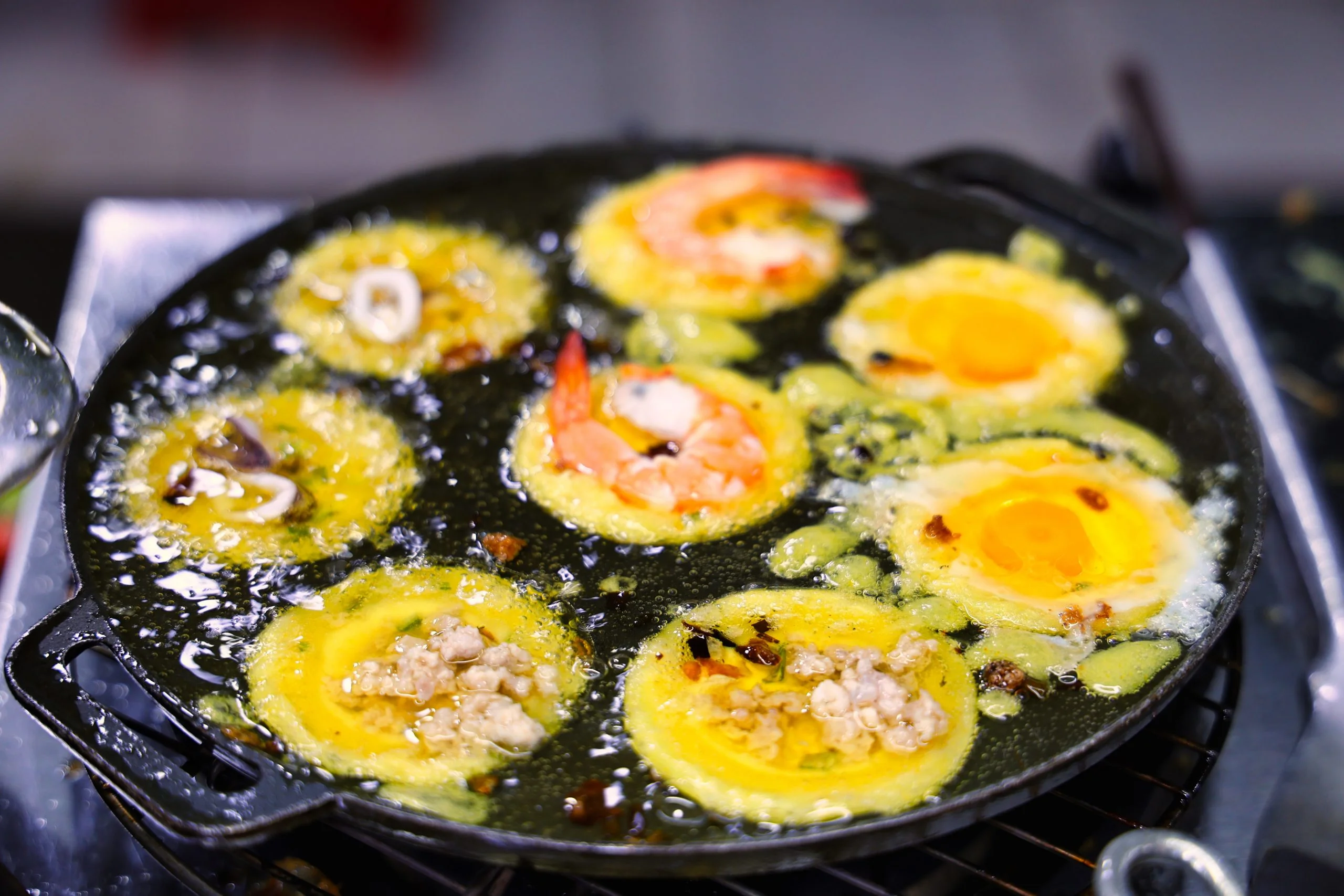
Indonesia’s street food reflects Dutch and Portuguese tastes in surprising ways. Portuguese traders introduced chili peppers, crucial for the spicy character of many Indonesian dishes. Dutch colonial influence brought Western cooking utensils and preservation techniques, influencing snacks such as kue (traditional cakes) that sometimes blend European shapes and fillings. Foods like pastel, a fried pastry with savory fillings, showcase this fusion vividly in Indonesian street markets.
British and Indian Flavors in Malaysian Street Food
Malaysia’s street food owes much to British colonial connections with India. Indian spices, curry blends, and techniques became integral to Malaysian dishes like roti canai, a flaky flatbread influenced by Indian paratha. The British also introduced tea drinking, which became intertwined with local food culture through the iconic teh tarik. These influences created dishes and beverage traditions that remain central to Malaysian street food culture today.
Post-Colonial Evolution of Street Food Culture
Preservation of Colonial Influences
Even after colonial powers withdrew, the culinary imprints they left behind continued to thrive within Southeast Asia’s street food. Many colonial-era dishes became entrenched in local identities and daily routines. Vendors preserved traditional recipes, adapting them slightly over time to suit modern tastes, but always maintaining core colonial influences. This preservation signifies how food serves as a living memory of historical interactions.
Modern Adaptations and Globalization
In the contemporary era, street food has not only preserved its colonial heritage but also evolved in response to global trends and urbanization. The fusion flavors birthed during colonial times now mix with international influences through tourism and digital connectivity. Street food vendors innovate by incorporating new ingredients, catering to health trends, and responding to diverse customer preferences, ensuring that colonial history remains a dynamic part of a constantly evolving culinary scene.
Conclusion: The Enduring Legacy of Colonial History in Southeast Asia’s Street Food
Colonial history significantly shaped the street food culture across Southeast Asia by introducing diverse culinary influences, new ingredients, and cooking techniques. These elements combined with indigenous traditions to create rich, hybrid food cultures that continue to thrive today. Recognizing this legacy helps us appreciate the complex histories embedded in every bite and the ongoing evolution of street food as a reflection of cultural resilience and creativity. As street food continues to draw global interest, it serves as a delicious reminder of the region’s layered past and vibrant present.