Introduction to the Maillard Reaction and Umami
Defining the Maillard Reaction in Culinary Science
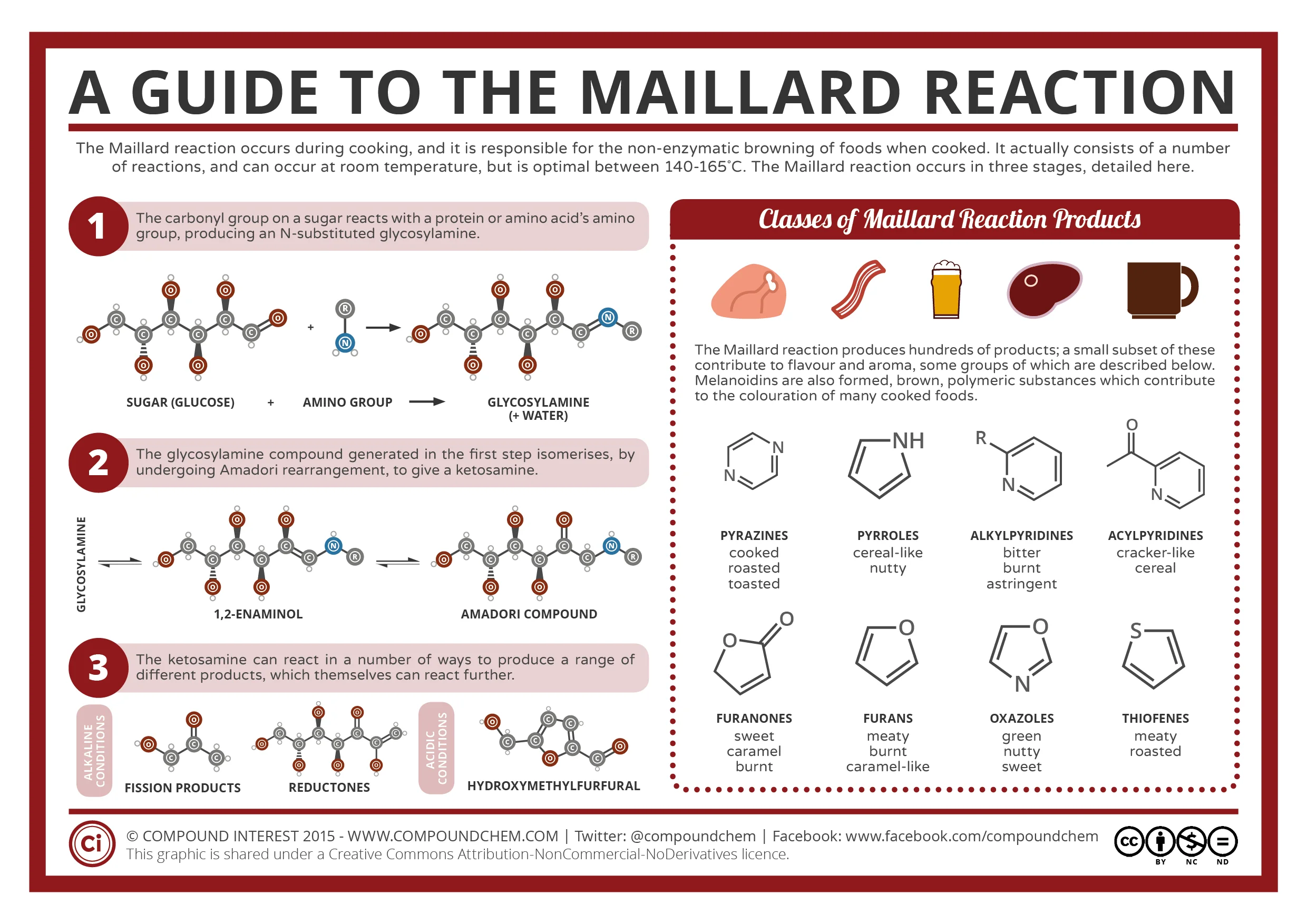
The Maillard reaction is a chemical process that occurs when proteins and sugars are exposed to heat, resulting in browning and complex flavor compounds. It is a critical reaction in cooking that transforms simple ingredients into rich, savory dishes. Unlike caramelization, which involves sugars alone, the Maillard reaction combines amino acids and reducing sugars, producing a wide array of aromatic molecules.
Understanding Umami: The Fifth Taste
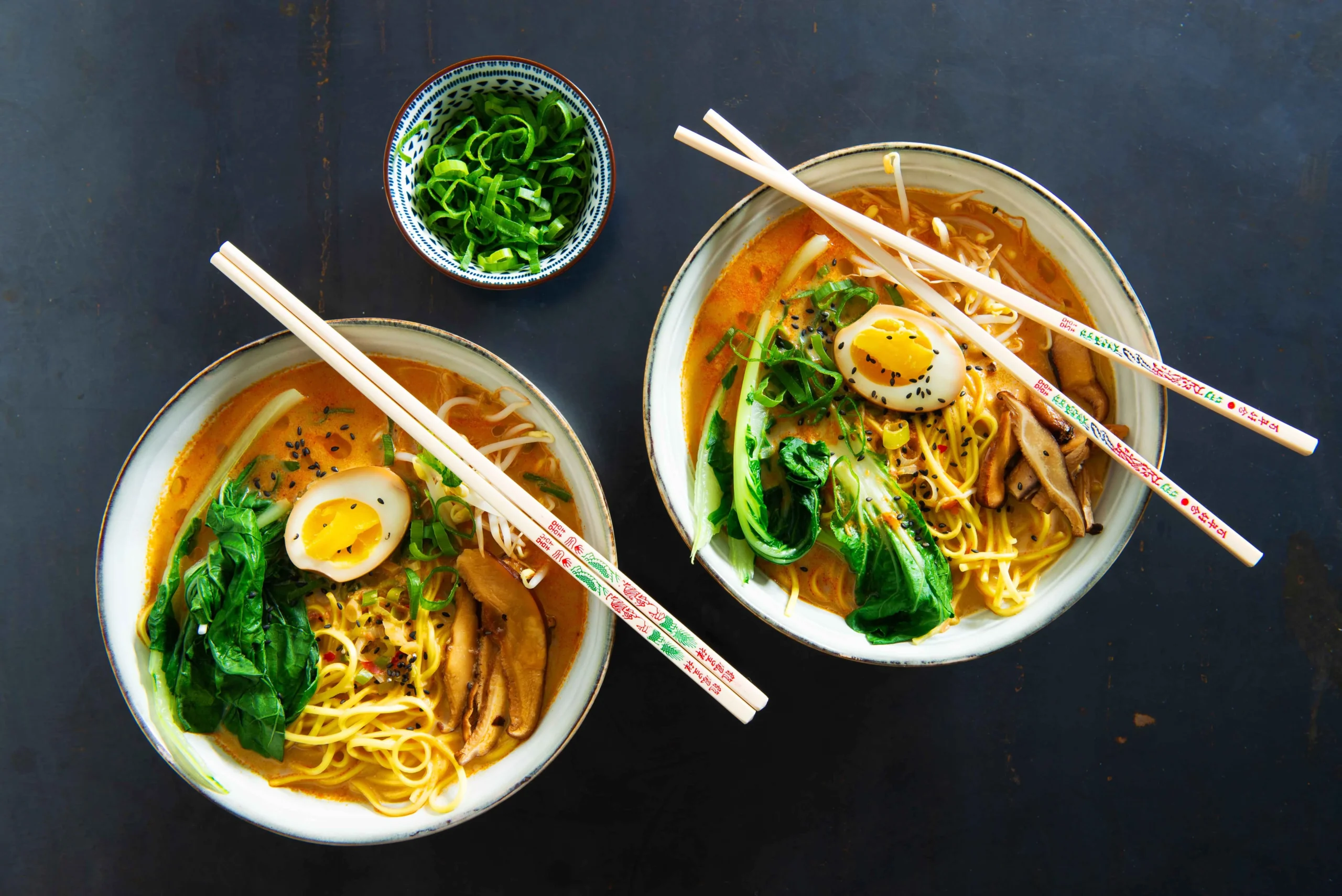
Umami is recognized as the fifth basic taste, alongside sweet, sour, salty, and bitter. It is often described as a savory, broth-like, or meaty flavor, enhancing the overall taste experience. Naturally occurring in ingredients such as mushrooms, aged cheeses, and tomatoes, umami adds depth and satisfaction to foods, making soups and broths particularly appealing.
How the Maillard Reaction Influences Flavor Depth
When the Maillard reaction takes place during cooking, it amplifies umami by generating new flavor compounds that deepen the taste profile. This reaction creates a savory richness that elevates homemade soups beyond their basic ingredients, offering a more complex, satisfying mouthfeel and aroma.
Scientific Breakdown of the Maillard Reaction in Homemade Soups
Chemical Processes Behind Browning and Flavor Development
The Maillard reaction involves a cascade of chemical events beginning with the reaction between amino acids and reducing sugars at elevated temperatures. This process forms intermediate compounds that eventually turn into brown pigments called melanoidins, responsible for the appealing color and enhanced flavor of cooked soups. These compounds are crucial for creating the savory notes that define umami-rich dishes.
Key Ingredients and Conditions Facilitating the Reaction
For the Maillard reaction to occur effectively in soup making, specific ingredients and conditions are necessary. Amino acids from proteins and reducing sugars must be present. Proteins come from meat, poultry, or legumes, while sugars exist naturally in vegetables like onions and carrots. The reaction requires moderate to high heat, typically above 285°F (140°C), and a relatively low moisture environment, which can be challenging in soups but manageable through specific techniques.
How Proteins and Sugars Interact to Create Umami Compounds
Proteins break down into amino acids such as glutamate, a natural source of umami. When these amino acids react with sugars, the Maillard reaction forms complex molecules that deepen the umami sensation. This synergy explains why browned meat or sautéed vegetables intensify the savory notes in soup bases, making the overall flavor more robust and layered.
Step-by-Step Kitchen Lab: Applying the Maillard Reaction to Soup Making
Selecting Ingredients That Maximize Umami Potential
Choose high-protein ingredients like beef bones, chicken, or mushrooms, which contain glutamates essential for umami. Incorporate vegetables with natural sugars—onions, carrots, and tomatoes work well. Adding small amounts of aged cheese or soy sauce can also boost umami levels. The combination of these components sets a strong foundation for the Maillard reaction.
Cooking Techniques to Trigger and Control the Maillard Reaction
Start by searing meats and roasting vegetables to encourage browning before adding liquids. This initial dry-heat step creates the ideal conditions for the reaction. When simmering, avoid adding too much water early on as excess moisture inhibits browning. Gradually building the soup’s broth with dry-roasted ingredients enhances flavor complexity.
Temperature and Timing: Finding the Perfect Balance
Maintain heat levels that support browning without burning. Sear meats at high temperatures briefly, then lower the heat for slow simmering to develop flavors over time. Extended cooking allows deeper umami compounds to form but requires careful monitoring to prevent bitterness or overly dry textures. Patience and temperature control are key to mastering this process.
Real-World Examples and Recipe Experiments
Classic Soups Elevated by Maillard Chemistry
French onion soup is a prime example where caramelization and the Maillard reaction create intense sweetness and umami. Beef barley soup benefits from searing beef chunks, producing a rich broth layered with savory notes. These traditional recipes showcase how browning techniques enhance the overall experience.
Innovative Soup Recipes to Experiment with Maillard-Enhanced Umami
Try roasting garlic and tomatoes before blending them into a soup base, unlocking deeper flavor dimensions. Mushroom and miso soup can be improved by sautéing mushrooms until golden brown, intensifying the umami depth. Experimenting with these variations allows home cooks to explore the Maillard reaction creatively.
Comparative Tasting Notes: Before and After Maillard Reaction
Soups made without browning tend to taste flat and one-dimensional. In contrast, those utilizing the Maillard process present a fuller, more satisfying flavor profile. The difference is noticeable in aroma, taste complexity, and mouthfeel, confirming the reaction’s crucial role in umami enhancement.
Additional Tips and Tools for Flavor Enhancement
Using Kitchen Equipment to Promote the Maillard Reaction
Cast iron pans and heavy-bottomed skillets retain heat well, facilitating even searing and browning. Oven roasting vegetables or meats before adding them to soups can infuse deeper flavors. Utilizing a thermometer helps monitor temperatures precisely, ensuring ideal conditions for the reaction.
Complementary Ingredients That Amplify Umami
Incorporate ingredients rich in free glutamates, such as kombu seaweed, dried shiitake mushrooms, and fermented products like miso or soy sauce. A touch of fish sauce can also elevate savory flavors. These additions work synergistically with Maillard-derived compounds to boost umami intensity.
Common Pitfalls and How to Avoid Them
One mistake is overcrowding the pan during searing, which causes steaming instead of browning. Another is adding too much water too early, preventing proper Maillard reaction development. Overcooking at high heat can lead to burnt flavors rather than complex umami. Careful technique and timing help avoid these issues, resulting in a balanced, flavorful soup.