Understanding Vitamin Retention in Cooking Methods
The Science Behind Vitamin Loss
When preparing vegetables, the cooking method you choose plays a crucial role in determining how many vitamins remain intact. Vitamins are sensitive compounds, and exposure to heat, water, or air can break them down or cause them to leach out. For example, water-soluble vitamins like vitamin C and many B vitamins are particularly vulnerable to being washed away during cooking. Heat speeds up chemical reactions, which leads to the degradation of these nutrients over time.
Understanding the biochemical reactions occurring during cooking helps explain why some methods preserve nutrients better than others. Factors such as temperature, cooking time, and the presence of water can influence vitamin retention significantly. This is why choosing the right cooking technique is vital for maintaining the nutritional quality of your meals.
Why Cooking Method Matters
The way we cook vegetables doesn’t just affect texture and flavor but also deeply impacts their nutritional value. Boiling, steaming, roasting, or frying all subject vegetables to different environments, causing varying degrees of nutrient loss. By selecting a method that limits exposure to heat and water, you can maximize the health benefits of the vegetables you consume. This is especially important in a diet focused on vitamin-rich foods, where every bit of retained nutrition counts.
Moreover, not all vegetables respond equally to each method, so understanding these nuances allows for more informed choices in the kitchen. It’s not just about cooking; it’s about preserving the very essence of what makes vegetables healthy.
Steaming vs. Boiling: An Overview
Processes Defined
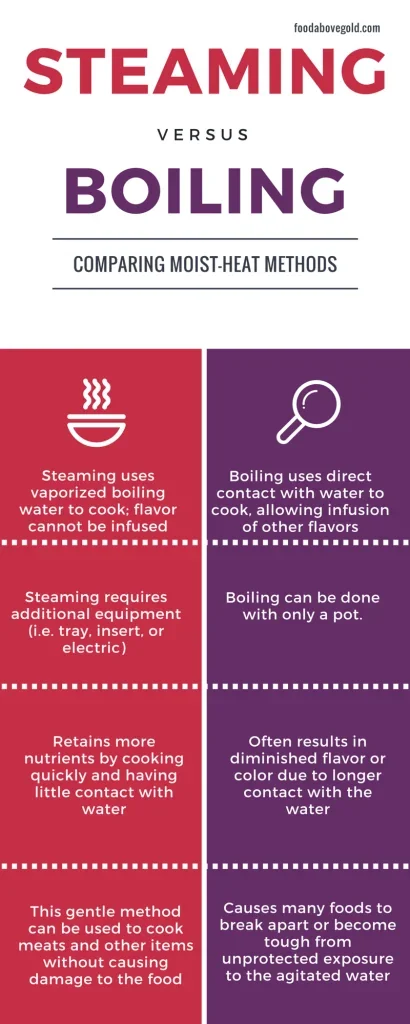
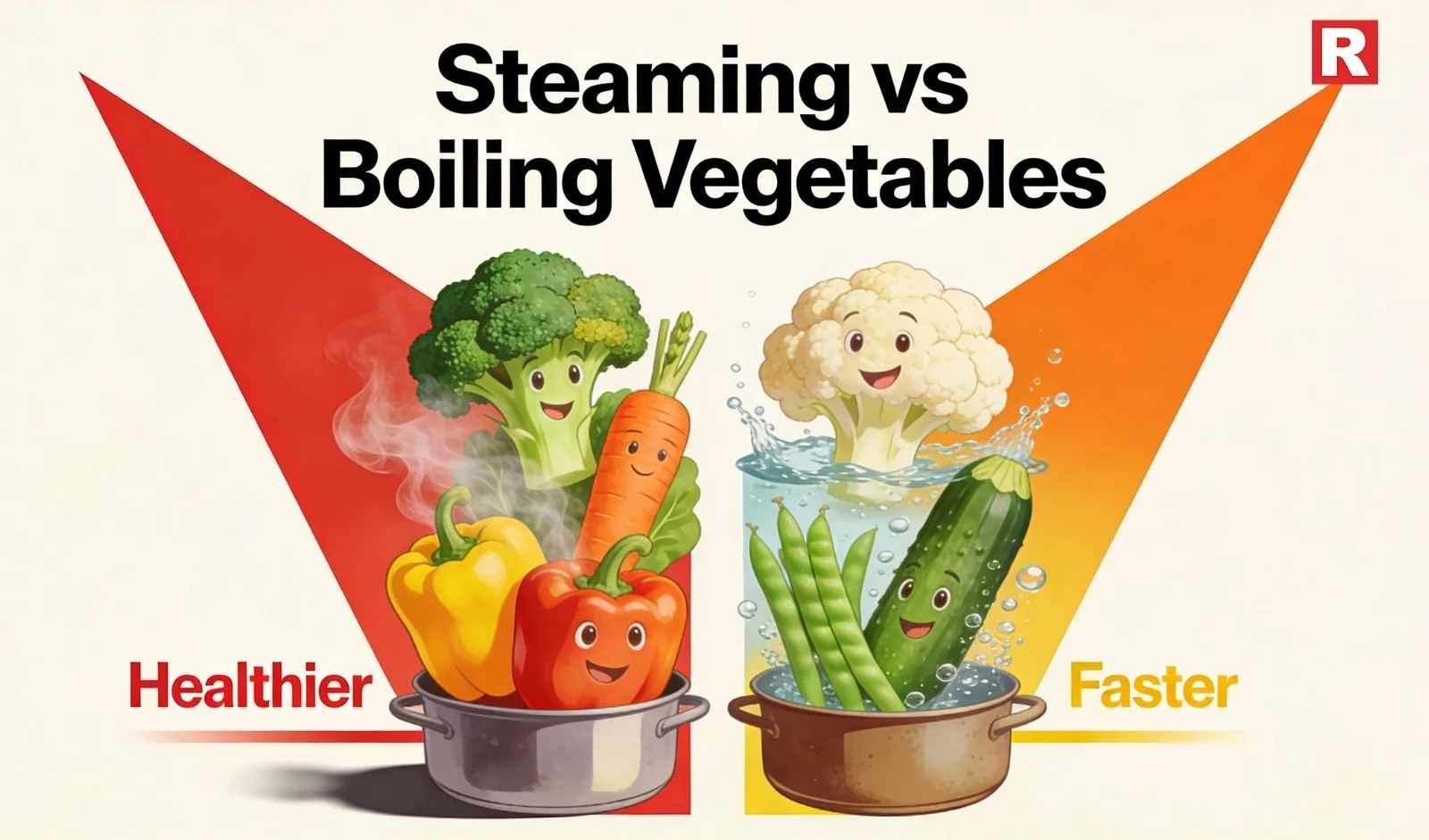
Steaming and boiling are two of the most common methods used to cook vegetables, but they operate in quite different ways. Boiling involves immersing vegetables directly into a pot of boiling water, causing them to cook in the liquid. Steaming, on the other hand, cooks vegetables by surrounding them with steam generated from boiling water without direct contact.
This distinction is more than just technical—it influences how nutrients are maintained or lost. While boiling is relatively straightforward and fast, steaming is gentler, often requiring a bit more attention to timing and technique.
Heat Exposure and Water Contact
The key difference lies in how heat and water interact with the vegetables. Boiling saturates vegetables in hot water, which readily extracts water-soluble vitamins and minerals into the cooking liquid. This is why boiling can lead to more significant nutrient loss. The direct contact with water increases the leaching effect, especially when cooking times are extended.
Steaming exposes vegetables to high heat but without submerging them in water. This limits the leaching of vitamins, as the vegetables retain their structure better and come into minimal contact with water. Consequently, steaming generally preserves more nutrients, particularly those sensitive to water exposure.
Impact on Specific Vitamins
Water-Soluble Vitamins: B-Complex and Vitamin C
Water-soluble vitamins are the most susceptible to cooking losses. Vitamin C, for instance, degrades quickly when exposed to heat and dissolves easily in water. Boiling vegetables often results in a significant reduction of vitamin C content because the vitamin seeps into the boiling water, which is frequently discarded afterward.
B-complex vitamins show a similar pattern, with prolonged cooking causing noticeable declines. Steaming helps reduce this loss by minimizing water contact and often requiring shorter cooking durations, allowing more of these vitamins to remain in the final dish.
Fat-Soluble Vitamins: A, D, E, and K
Fat-soluble vitamins are generally more stable during cooking compared to their water-soluble counterparts. They don’t dissolve in water easily, so boiling doesn’t cause as much direct loss through leaching. However, heat exposure can still degrade these vitamins, especially with longer cooking times or higher temperatures.
Steaming tends to better preserve fat-soluble vitamins because it often applies heat more gently and reduces cooking time. Plus, since these vitamins are associated with the vegetable’s cellular structures, maintaining that structure through careful steaming helps retain their levels.
Effect on Common Vegetables
Leafy Greens (Spinach, Kale)
Leafy greens are notorious for their delicate leaves and high water content, making them prone to nutrient loss during cooking. Boiling causes significant leaching of vitamin C and some B vitamins from spinach and kale. Additionally, the cooking water can turn dark green as nutrients escape, which is a clear visual indicator.
Steaming, by contrast, preserves much of the vitamin content and keeps the vibrant color and texture intact. For these vegetables, steaming is often the preferred method to maximize nutritional benefits without sacrificing taste.
Root Vegetables (Carrots, Potatoes)
Root vegetables like carrots and potatoes have denser textures and somewhat more robust vitamins. While boiling can still cause vitamin loss, especially of vitamin C in potatoes, these vegetables tend to fare better than leafy greens during cooking.
Steaming them helps preserve their natural sweetness and vitamins more effectively. However, since root vegetables take longer to cook, it’s important to monitor cooking times carefully to avoid overcooking, which can also diminish nutrient content.
Cruciferous Vegetables (Broccoli, Cauliflower)
Broccoli and cauliflower are rich in vitamin C and other antioxidants but are quite sensitive to cooking methods. Boiling these can drain away valuable nutrients, especially if the water is discarded. Their unique compounds, which contribute to health benefits, also degrade under prolonged heat.
Steaming offers a great alternative by cooking the vegetables evenly and preserving the crunch, color, and vitamins. It strikes a balance between making these vegetables palatable and keeping their nutrient profile high.
Optimizing Cooking Techniques for Maximum Nutrition
Tips to Preserve Vitamins While Cooking
To get the most vitamins out of your vegetables, consider a few practical tips. First, keep cooking times short and use moderate heat to avoid excessive nutrient breakdown. Cutting vegetables into larger pieces can reduce the surface area exposed to heat and water, preserving more vitamins.
Also, using minimal water during cooking helps retain water-soluble vitamins. If you do boil vegetables, repurposing the cooking water in soups or sauces can help reclaim some of the lost nutrients. Avoid peeling vegetables unnecessarily, as many vitamins are concentrated just beneath the skin.
Combining Steaming and Boiling for Best Results
Sometimes, combining methods can yield the best taste and nutrition. For example, briefly boiling vegetables to soften them followed by steaming to finish the cooking can minimize vitamin loss. This approach balances texture with nutrient retention.
Additionally, incorporating quick stir-frying after steaming can enhance flavor without additional nutrient loss. The key is being mindful of cooking times and water usage throughout the process.
Conclusion: Choosing the Healthiest Cooking Method
When it comes to preserving vitamins in vegetables, steaming generally emerges as the superior cooking method compared to boiling. Its gentle heat and limited water contact reduce vitamin loss, especially for water-soluble vitamins like vitamin C and B-complex. However, understanding the nature of each vegetable and its unique vitamin profile can help you tailor cooking methods for optimal nutrition.
While boiling is convenient and sometimes necessary, balancing it with steaming or other gentle techniques brings the best of both worlds—great taste without sacrificing health benefits. Ultimately, mindful cooking, paired with fresh ingredients, is the key to unlocking the full nutritional potential of your vegetables.