Understanding Yeast Activation
What is Yeast and Its Role in Baking?
Yeast is a living microorganism widely used in baking to ferment dough. It consumes sugars and produces carbon dioxide and alcohol, which are vital for making bread rise. Without yeast activation, bread would remain dense and lack the desirable texture and flavor that characterize good-quality baked goods.
The Science Behind Yeast Activation
Activation occurs when yeast cells awaken from their dormant state and begin metabolizing sugars. This process depends on hydration, warmth, and food sources like sugar and starches. Proper activation ensures that yeast generates the right amount of carbon dioxide, leading to an even rise and improved crumb structure in the bread.
The Impact of Temperature on Yeast Activity
Optimal Temperature Range for Yeast
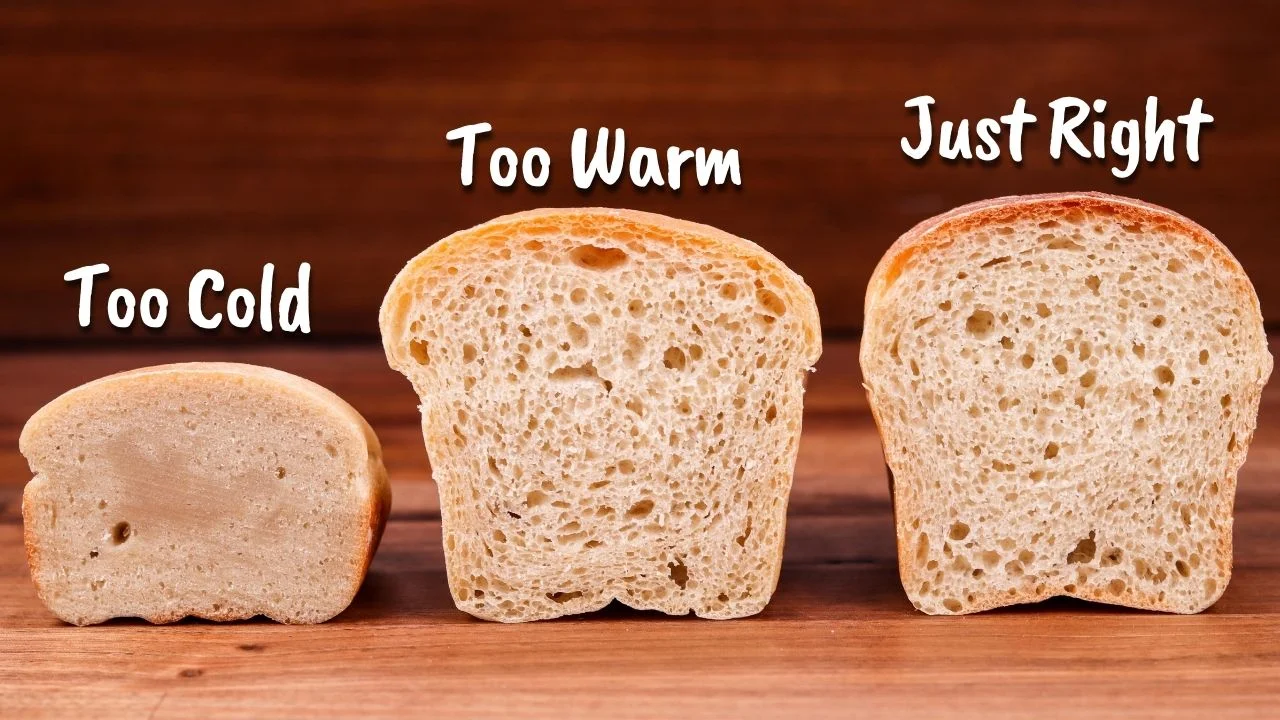
Temperature plays a critical role in yeast activity. The ideal temperature for activating yeast typically lies between 95°F and 115°F (35°C to 46°C). Within this range, yeast cells multiply and ferment sugars efficiently without getting damaged. Maintaining this temperature range is essential for consistent bread quality, allowing predictable fermentation rates and dough development.
Effects of Low Temperatures on Yeast
When temperatures drop below the optimal range, yeast activity slows down significantly. Colder environments cause yeast cells to enter a semi-dormant state, delaying fermentation. This results in longer rising times, which can affect the bread’s texture and flavor. If the dough gets too cold, yeast may fail to activate entirely, leading to dense, heavy bread.
Consequences of High Temperatures
Conversely, exposing yeast to excessively high temperatures—above 130°F (54°C)—can kill the yeast cells. Overheating disrupts the fermentation process, preventing dough from rising. High temperatures also risk creating undesirable off-flavors in the bread and a compromised crumb due to inconsistent gas production. Understanding this temperature sensitivity helps avoid ruined batches caused by hot water or warm environments.
Practical Guidelines for Consistent Yeast Activation
Measuring and Controlling Dough Temperature
Achieving consistent dough temperature requires careful measurement throughout the mixing process. Using a digital thermometer to check the dough’s temperature helps avoid overheating or underheating. If the dough is too cold, placing it in a slightly warmed environment can encourage yeast activation. Conversely, if it’s too warm, allowing it to cool down slightly before further processing will protect the yeast.
Using Water Temperature to Influence Yeast Activation
Water temperature is the easiest way to control yeast activation. Starting with water between 100°F and 110°F (38°C to 43°C) generally leads to steady fermentation. Bakers should avoid hot tap water, as temperatures above 130°F can kill yeast. Adjusting water temperature seasonally or based on recipe requirements ensures the yeast activates properly, delivering consistent results.
Common Mistakes and How to Avoid Them
A frequent mistake is relying on guesswork rather than measuring temperatures accurately. Another pitfall is using water that is too hot or too cold, which either kills yeast or slows activation. Additionally, neglecting the environment where dough rests can impact temperature control—cold drafts or excessive heat should be avoided. By using thermometers and controlling ambient conditions, these errors can be prevented.
Techniques to Troubleshoot Yeast Activation Issues
Identifying Signs of Poor Yeast Activation
Poor yeast activation manifests as dough that fails to rise or takes much longer than expected. The dough may feel dense or lack elasticity, indicating weak fermentation. Recognizing these signs early can save time and ingredients by adjusting temperature or yeast quantities before baking.
Adjusting Temperature for Different Yeast Types
Different yeast varieties have unique temperature tolerances. Active dry yeast, instant yeast, and fresh yeast require slightly varied temperature controls to activate properly. Understanding these differences allows bakers to tailor activation methods for each type rather than applying a one-size-fits-all approach, improving overall consistency.
Temperature Recommendations for Various Bread Recipes
Temperature needs can also vary by bread style. For example, sourdough starters often require cooler, slower fermentation, while enriched doughs with sugar and fats may benefit from slightly warmer conditions. Adjusting yeast activation temperature based on recipe specifics ensures the desired texture and flavor development in the final product.
Expert Tips for Perfect Dough Every Time
Using Thermometers and Timers Effectively
Experts recommend pairing thermometers with timers to optimize yeast activation. Monitoring dough temperature at various stages and timing proofing intervals helps maintain control over fermentation. This precision reduces guesswork and leads to more predictable baking outcomes, even with varying kitchen conditions.
Adapting Yeast Activation for Seasonal Variations
Seasonal temperature fluctuations affect yeast activity significantly. In colder months, water may require warming beyond typical levels, while in summer, cooler water and faster proofing times help prevent over-fermentation. Being mindful of these seasonal changes and adjusting dough and water temperatures accordingly avoids common pitfalls and keeps bread quality consistent year-round.