Understanding the Importance of Non-Slip Cutting Boards
Why Stability Matters in Kitchen Safety
One of the most overlooked aspects of kitchen safety is the stability of your cutting board. When preparing food, a cutting board that slides around can quickly turn a simple task into a dangerous one. Stability ensures that your knife movements are precise and controlled, reducing the risk of slips that can lead to injuries. Non-slip cutting boards provide that crucial grip, anchoring the board firmly to the countertop, which helps both novice cooks and seasoned chefs maintain confidence while chopping, slicing, or dicing.
Common Kitchen Accidents Prevented by Non-Slip Boards
Many kitchen accidents stem from unstable surfaces. For example, a cutting board sliding unexpectedly can cause a knife to miss its mark, potentially cutting fingers or hands. Beyond personal injury, instability can also lead to cross-contamination if food slips onto the counter or floor. Non-slip cutting boards play a vital role in preventing these mishaps by keeping food preparation surfaces secure, which in turn supports better hygiene and safer cooking practices.
Materials Used in Non-Slip Cutting Boards
Pros and Cons of Plastic, Wood, and Bamboo
The material of your cutting board influences not only its durability and maintenance but also the effectiveness of its non-slip features. Plastic boards are lightweight and generally dishwasher-safe, making them easy to clean. However, they can develop deep knife grooves over time, which may harbor bacteria. Wood boards, particularly hardwoods like maple, offer excellent knife-friendly surfaces and natural antimicrobial properties. They tend to be heavier, providing some natural stability, but need careful cleaning and regular oiling to maintain their condition. Bamboo options strike a balance by being eco-friendly and reasonably durable. Their harder surfaces can dull knives quicker, but they often come with textured finishes that help prevent slipping.
Eco-Friendly and Sustainable Options
If sustainability is a priority, bamboo stands out as a top choice. Bamboo grows quickly and regenerates without the need for replanting, making it a greener alternative to traditional hardwoods. Additionally, some brands now offer plastic boards made from recycled materials, combining utility with environmental consciousness. When choosing eco-friendly options, it’s important to consider whether the non-slip features are integrated in a way that doesn’t compromise recyclability or biodegradability.
Key Features to Look for When Choosing a Non-Slip Cutting Board
Grip Mechanisms: Rubber Feet vs. Textured Surfaces
Non-slip cutting boards achieve stability through a couple of common methods. Rubber feet or pads attached to the board’s underside create a firm hold on most surfaces. This approach works well on smooth countertops but may require replacement over time as the rubber wears out. Alternatively, some cutting boards feature textured surfaces on the bottom, designed to increase friction naturally. These are often easier to maintain since they don’t have separate parts, but they might not grip as effectively on all surfaces. Consider your typical kitchen setup when deciding which grip mechanism suits you best.
Size and Thickness Considerations for Different Tasks
Choosing the right size and thickness of a cutting board is crucial for both safety and convenience. Larger boards provide ample space to work with big ingredients and can better distribute cutting pressure, reducing the risk of slipping. On the other hand, smaller boards are easier to handle and clean but may feel cramped during complex prep work. Thickness also plays a role in stability; thicker boards tend to be heavier and less likely to move during use. However, extremely thick boards can be cumbersome to store or maneuver.
Maintenance and Cleaning Ease
Non-slip cutting boards need to be easy to clean to maintain hygiene and the effectiveness of their grip features. Plastic boards generally excel here since most are dishwasher-safe, allowing thorough cleaning and sanitizing. Wooden boards require hand washing and should never be soaked, as moisture can damage the wood and loosen any non-slip components. Bamboo shares similar care requirements. It’s important to regularly check that rubber pads or feet stay firmly attached and free from buildup, which can reduce grip strength.
Top Brands and Product Recommendations
High-Quality Options at Various Price Points
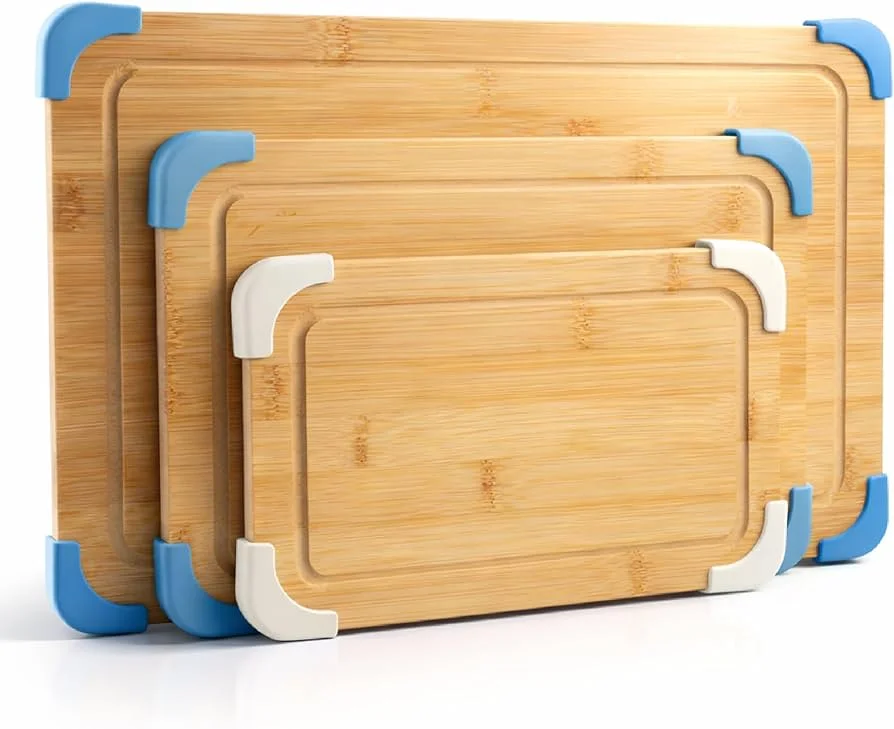
The market offers a range of non-slip cutting boards across different price ranges. For budget-conscious shoppers, reliable plastic boards with rubber feet provide good performance without breaking the bank. Mid-range customers might explore bamboo boards with textured bases, balancing eco-friendliness and stability. Premium buyers can consider custom-crafted hardwood boards featuring corner grips and beveled edges designed for enhanced safety and aesthetics. Brands like OXO, Joseph Joseph, and Totally Bamboo consistently receive praise for their combination of design and functionality.
Customer Reviews and Real-World Performance
When choosing a non-slip cutting board, customer feedback can be incredibly informative. Many users highlight the importance of grip durability, noting that some boards lose their non-slip quality after a few months. Others emphasize the convenience of dishwasher-safe materials or the satisfaction of using boards that are gentle on knife edges. Reading through reviews also uncovers insights into board stability on different countertop materials, helping you choose one that suits your kitchen set-up. Real-world performance often reveals nuances that product descriptions might overlook.
Tips for Extending the Life of Your Non-Slip Cutting Board
Proper Cleaning and Storage Methods
Taking good care of your cutting board directly impacts its lifespan and safety. After each use, clean the board promptly with hot soapy water, paying special attention to the underside to ensure no residue affects the grip. Avoid soaking wooden or bamboo boards, and let them dry completely in an upright position to prevent warping. Periodically, treating wooden surfaces with mineral oil helps maintain moisture balance and prevents cracking. For plastic boards, checking and replacing worn rubber feet can restore slipping resistance.
When to Replace Your Cutting Board for Maximum Safety
No cutting board lasts forever, especially with regular use. Key signs that it’s time to replace your board include deep grooves that are difficult to clean, a loss of non-slip effectiveness, cracks or warping, and persistent stains or odors. Using a compromised board not only raises the risk of injury due to instability but also poses hygiene concerns. Staying attentive to these warning signs ensures your kitchen prep remains both safe and efficient.