Understanding Essential Oils and Their Benefits in Household Cleaning
What Are Essential Oils?
Essential oils are concentrated extracts taken from plants, capturing their natural fragrance and compounds. For centuries, cultures worldwide have utilized these oils not only for their scent but also for their therapeutic properties. In household cleaning, essential oils bring a natural approach, offering antimicrobial, antifungal, and deodorizing effects without relying on harsh chemicals.
Why Choose Essential Oils for Cleaning?
Imagine Sarah, a mother of two, increasingly worried about the effects of chemical cleaners on her children’s health. Switching to essential oils gave her peace of mind because these natural extracts clean effectively while reducing exposure to toxins. Unlike synthetic chemicals, essential oils break down quickly, leaving behind fresh scents and no harmful residues.
Health and Environmental Benefits of Non-Toxic Cleaners
Using essential oils for cleaning not only benefits individual health but also contributes to environmental sustainability. Many commercial cleaners release volatile organic compounds (VOCs) that pollute indoor air and waterways. Essential oils, by contrast, are biodegradable and limit the chemical footprint in homes, making them an artful choice for families striving for eco-conscious living.
Factors to Consider When Selecting Essential Oils for Cleaning
Cleaning Properties and Effectiveness
Not all essential oils serve the same cleaning purpose. For instance, when Mark tried using lavender oil to disinfect his kitchen surfaces, he found it pleasant but lacked the antibacterial strength he needed. Oils like tea tree or eucalyptus carry stronger antimicrobial properties, proving more effective for tough cleaning tasks. Understanding the oils’ chemical makeup will guide you to the best choice for specific cleaning needs.
Safety for Family and Pets
Jenna’s cat developed skin irritations after she started using essential oil sprays indiscriminately. It’s important to recognize that some oils may not be safe for pets, especially cats and dogs. Always research each oil’s safety profile and test small amounts before wider application. Diluting essential oils appropriately also ensures they remain gentle enough for children and sensitive family members.
Fragrance and Personal Preferences
Cleaning your home should feel invigorating, not overwhelming. Some people prefer crisp citrus scents like lemon or orange, while others might lean toward herbal or minty fresh aromas. Choosing oils that match your scent preference can make routine chores more enjoyable. Anna, for example, blends peppermint and eucalyptus to create a refreshing atmosphere that energizes her mornings.
Allergy and Sensitivity Awareness
If you or anyone in your household has allergies or skin sensitivities, caution is necessary. Essential oils, despite being natural, can still trigger reactions. Performing a patch test on a small skin area or using oils known for low allergenic potential can prevent discomfort and ensure your cleaning routine is safe and comfortable for everyone.
Top Essential Oils for Non-Toxic Household Cleaners
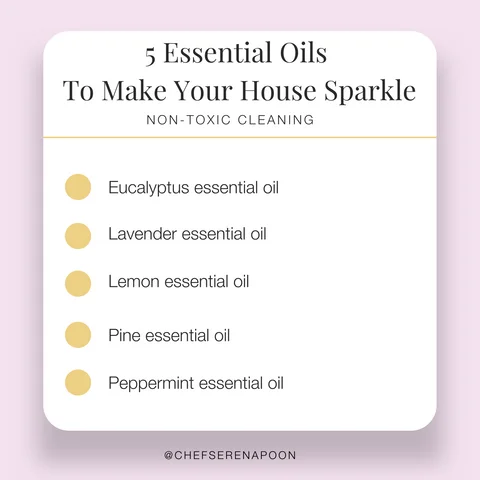
Tea Tree Oil: Antibacterial Powerhouse
Tea tree oil stands out for its potent antimicrobial qualities. When Lisa noticed persistent mold in her bathroom grout, she applied a tea tree oil solution, which not only eliminated mold spores but also left a fresh, medicinal scent. Its broad-spectrum effectiveness makes it a go-to for disinfecting surfaces and combating germs naturally.
Lemon Oil: Natural Degreaser
In the kitchen, grease buildup can be stubborn. Lemon oil offers a natural degreasing power, gently cutting through grime without aggressive chemicals. Tom, an avid home cook, swears by lemon oil mixed with vinegar to keep his stovetop sparkling while enjoying the uplifting aroma citrus provides.
Peppermint Oil: Fresh and Invigorating
Peppermint oil adds an energizing touch to cleaning routines. Beyond its refreshing fragrance, it possesses mild antibacterial traits. Martha uses peppermint-infused cleaners for her living areas, creating a crisp, clean scent that revitalizes her space and mood alike.
Eucalyptus Oil: Mold and Mildew Fighter

Eucalyptus oil is especially effective against mold and mildew, often appearing in damp areas like basements and bathrooms. When David combated stubborn mildew on his shower tiles, eucalyptus oil’s antifungal power made a noticeable difference, helping maintain a healthier, fresher environment.
How to Blend Essential Oils for Maximum Cleaning Efficiency
Creating Custom Cleaning Formulas
Mixing essential oils allows you to target multiple cleaning needs simultaneously. For example, blending tea tree with lemon enhances antibacterial action while boosting degreasing ability. Such combinations provide versatility in tackling a variety of household messes with a single solution, saving time and effort.
Recommended Combinations for Specific Tasks
For kitchen surfaces, a blend of lemon, peppermint, and eucalyptus oils can cut grease, deodorize, and reduce bacteria. Meanwhile, bathrooms benefit from a mix of tea tree and eucalyptus oils to combat mold and disinfect. Customizing blends allows users to address their unique challenges while enjoying tailored fragrances.
Proper Dilution and Storage Tips
Essential oils are highly concentrated and should never be applied undiluted to surfaces or skin. Combining them with water, vinegar, or castile soap ensures safety and effectiveness. Store your homemade cleaners in dark glass bottles away from sunlight to preserve the oils’ potency, preventing degradation and extending shelf life.
Practical Steps to Make Your Own Non-Toxic Cleaners
Essential Oil Cleaner Recipes for Different Surfaces
Creating your own cleaners can be straightforward. For all-purpose spray, mix 1 cup of water, 1 cup of distilled white vinegar, and 20 drops of lemon and tea tree oils. For wood surfaces, blend olive oil with lemon oil to clean and polish safely. Each recipe can be adjusted, helping you maintain a spotless home while avoiding chemicals.
Application Techniques and Tools
Using spray bottles, microfiber cloths, and sponges enhances cleaning efficiency. Spraying essential oil mixtures onto surfaces and allowing them to sit for a few minutes before wiping maximizes their antimicrobial effects. Additionally, diffusing essential oils during cleaning can freshen the air and uplift spirits, making the chore more pleasant.
Maintaining Safety and Avoiding Common Mistakes
Avoid using essential oils on sensitive materials like granite or unsealed wood without testing first, as some oils may cause damage. Always label your homemade cleaners clearly to prevent accidental ingestion. Furthermore, resist the urge to overuse oils; more isn’t always better and can lead to overpowering scents or irritation.
Conclusion: Embracing Cleaner, Safer Homes with Essential Oils
Opting for essential oils in household cleaning is more than a trend; it’s a lifestyle choice that prioritizes health, safety, and sustainability. By understanding their benefits and selecting the right oils thoughtfully, you can enjoy a fresh, toxin-free home environment. Whether battling kitchen grease or bathroom mold, essential oils offer practical, effective solutions that enhance everyday living.