Understanding Constraints in Small Apartment Kitchens
Assessing Your Kitchen Space
Before purchasing any kitchen tools, it is crucial to understand the exact dimensions and layout of your kitchen. Small apartment kitchens often come with limited counter space, tight corners, and a restricted flow for movement. Measuring the available surface area, cabinet capacity, and counter length can give you a clear picture of what you have to work with. Without this knowledge, you risk buying tools that are too bulky or awkwardly shaped for your compact setting.
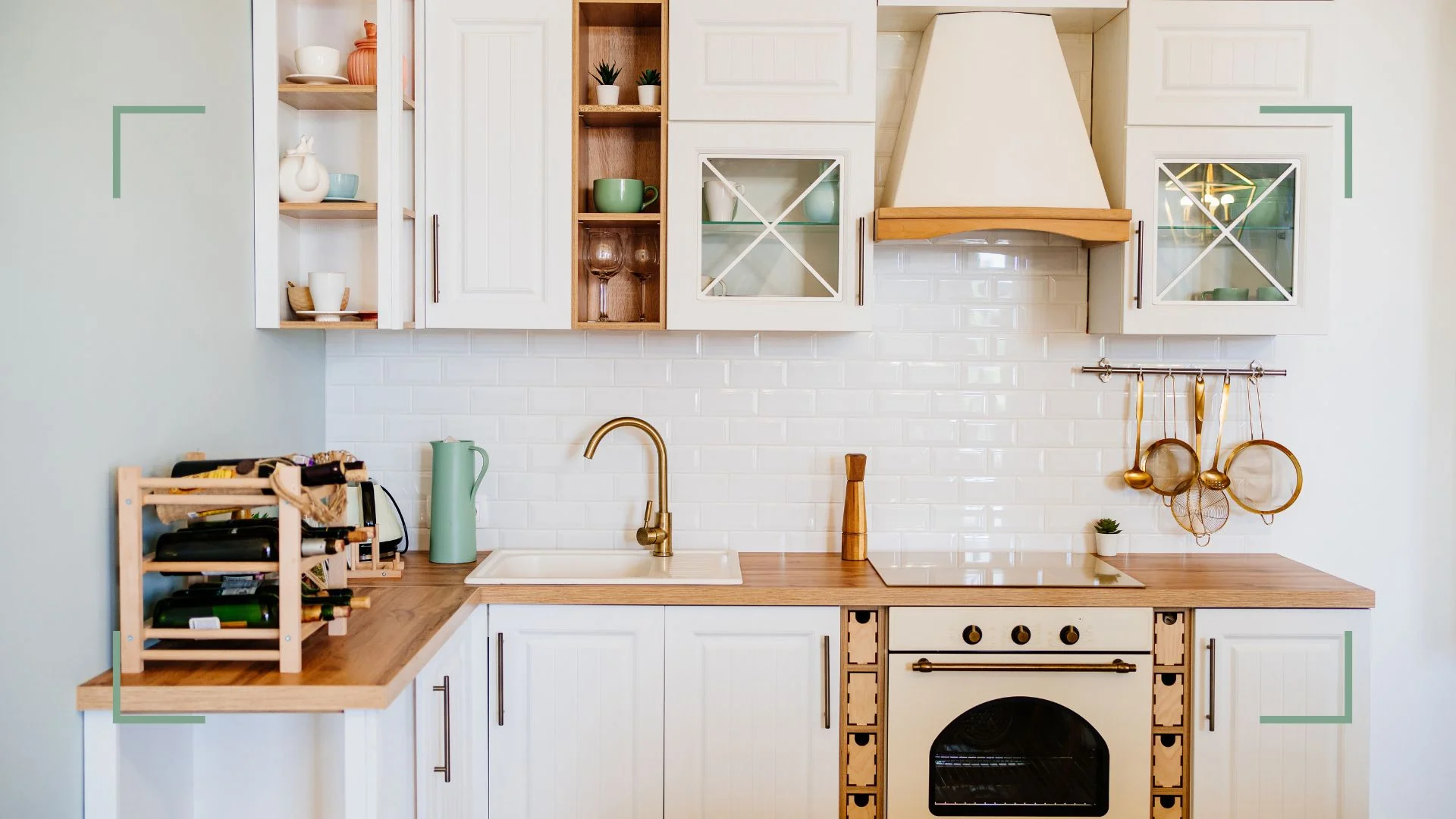
Identifying Storage Limitations
Storage is often the biggest challenge in small kitchens. You might find that your cabinets are shallow or few in number, and drawer space is minimal. Keeping this limitation in mind helps prioritize kitchen tools that can be stacked, folded, or stored vertically. Understanding your storage options upfront will direct you towards items that fit naturally into your kitchen’s storage scheme without creating clutter or daily frustration.
Essential Kitchen Tools for Compact Living
Multi-functional Appliances
When space is tight, tools that serve multiple purposes become invaluable. Appliances such as a blender that also functions as a food processor, or an oven toaster with air fryer capabilities, allow you to reduce the number of single-use gadgets. This multi-functionality optimizes counter space and reduces the clutter of having numerous appliances competing for the same spots.
Space-Saving Utensils
Choosing utensils designed specifically for small kitchens can make a significant difference. Collapsible measuring cups, nesting bowls, and stackable storage containers save precious room inside cabinets and drawers. It’s beneficial to look for tools that fold or collapse when not in use, helping to maximize your storage area and keep the kitchen visually tidy.
Material and Durability Considerations
Choosing Long-Lasting Kitchen Tools
Investing in kitchen tools made from durable materials means fewer replacements and less clutter over time. Stainless steel, heavy-duty silicone, and quality hardwood are excellent choices for items that withstand daily use. This durability ensures that even with frequent use in a small space, your tools will maintain their functionality and appearance, reducing waste and expense.
Easy-to-Clean Surfaces
Small kitchens require efficiency not only in cooking but also in cleaning. Selecting tools with non-porous, smooth surfaces like stainless steel or high-grade plastic makes them easier to wash and maintain. Avoid materials like wood or delicate finishes that absorb stains or are prone to damage, as they can increase the time and effort required to keep your kitchen tidy.
Prioritizing Tools Based on Cooking Habits
Minimalist Cooking vs. Gourmet Cooking
Your cooking style greatly influences which kitchen tools you need. Minimalist cooks who prepare simple meals regularly may prioritize basic tools like a good knife, peeler, and one reliable pan. Conversely, gourmet cooks may require specialized items but should aim to find multi-use tools to keep their small kitchen functional and uncluttered. Understanding your habits helps tailor your purchases to enhance your cooking experience without overwhelming your space.
Frequency of Use Analysis
Consider how often you use each tool before deciding what deserves a spot in your kitchen. Frequently used tools should be easily accessible, while items used only occasionally can be stored away to save space. This practical evaluation prevents overcrowding and ensures that your essential tools are always within reach, improving workflow in your compact kitchen.
Smart Storage Solutions
Vertical Space Optimization
In small kitchens, thinking vertically can open up new storage opportunities. Installing shelves above counters or above the sink allows you to keep tools and ingredients off working surfaces. Tall, narrow shelving units or tiered racks inside cabinets utilize height effectively, freeing up horizontal space and keeping everything organized.
Magnetic Strips and Hooks
Magnetic strips for knives and metal utensils or hooks for hanging pots and pans are excellent ways to save drawer and cabinet space. They make use of empty wall areas, allowing you to keep essential tools visible and accessible while adding to your kitchen’s decor. Properly implemented, these solutions enhance storage without crowding counters.
How to Avoid Common Buying Mistakes
Avoiding Redundancy
A typical mistake is purchasing multiple tools that serve the same purpose, which unnecessarily consumes space. Before buying, take stock of what you already own and how many tools perform similar functions. This awareness helps prevent redundant purchases that clutter your kitchen and confuse your workflow.
Investing in Quality Over Quantity
In small kitchens, prioritizing quality over quantity is vital. High-quality tools offer better performance, longer life, and often more ergonomic designs. Instead of filling drawers with numerous inexpensive gadgets, select a few versatile, durable pieces that elevate your cooking experience. This strategy not only saves space but also enhances efficiency and satisfaction in your kitchen.