Understanding the Basics of Mandoline Slicers
What Is a Mandoline Slicer?
A mandoline slicer is a kitchen tool designed to cut vegetables and fruits into uniform slices quickly and efficiently. Unlike knives, which depend heavily on skill and precision, a mandoline offers a consistent thickness for each slice, making it invaluable for both amateur cooks and professionals alike. Imagine prepping a batch of potatoes for homemade chips — the even slices made by a mandoline ensure they cook at the same rate and develop that perfect crispiness without burning.

Key Components and Features
At its core, a mandoline slicer typically consists of a flat surface with a sharp blade embedded in it and an adjustable platform to control slice thickness. Many models come with a hand guard or food holder, which secures the vegetable and protects fingers during slicing. Some advanced versions also include interchangeable blades for julienne cuts, waffle cuts, and other specialized preparations, adding versatility to the basic function.
Why Even Vegetable Cuts Matter
Impact on Cooking and Presentation
Evenly sliced vegetables are crucial for uniform cooking, which can significantly affect the flavor and texture of a dish. Think about roasting carrots: slices that vary in thickness might leave some pieces crunchy while others become mushy. In restaurant kitchens, chefs rely on consistent cuts for quick plating and to maintain a standard aesthetic appeal. For home cooks, the effect is no less important — perfectly sliced cucumbers or tomatoes can transform a simple salad into a visually enticing dish.
Safety Considerations with Uneven Slicing
When slices are uneven, vegetables can become unstable on the cutting surface, increasing the risk of slips and accidental cuts. A mandoline ensures a steady, predictable slicing action that reduces this risk. It’s easy to underestimate this benefit until you’ve experienced the frustration of a knife slipping mid-slice. Especially for cooks who frequently prepare meals for large families or gatherings, choosing the right slicer improves safety alongside efficiency.
Types of Mandoline Slicers
Manual vs. Electric Models
Manual mandoline slicers are the classic choice: simple, portable, and often more affordable. They rely on the user’s hand power and control, which some find satisfying as it offers tactile feedback during slicing. On the other hand, electric mandolines automate the process, perfect for those who frequently prepare large quantities of vegetables or want to save time. A small café owner I know switched to an electric model to manage volume better during busy brunch hours, which reduced prep time dramatically without compromising slice quality.
Adjustable Thickness vs. Fixed Blades
Adjustable mandolines provide the flexibility to switch between thin slices for delicate salads and thicker cuts for roasting or gratins, catering to a variety of recipes. Fixed blade models, while simpler, usually deliver excellent results for a specific slice style and are easier to maintain. It really boils down to the user’s cooking habits — if you find yourself experimenting with different textures and presentations, adjustable thickness is a major advantage.
Foldable and Compact Options
Space can be a limiting factor in many kitchens. Foldable mandolines are designed to collapse for easy storage, making them ideal for small apartments or those with limited cabinet space. Compact models sometimes skip the bulk for portability, catering well to users who might take their slicer on the go — for example, cooking classes or outdoor events. While these models might sacrifice some stability, the convenience often outweighs that drawback.
Main Criteria for Choosing the Best Mandoline Slicer
Blade Quality and Material
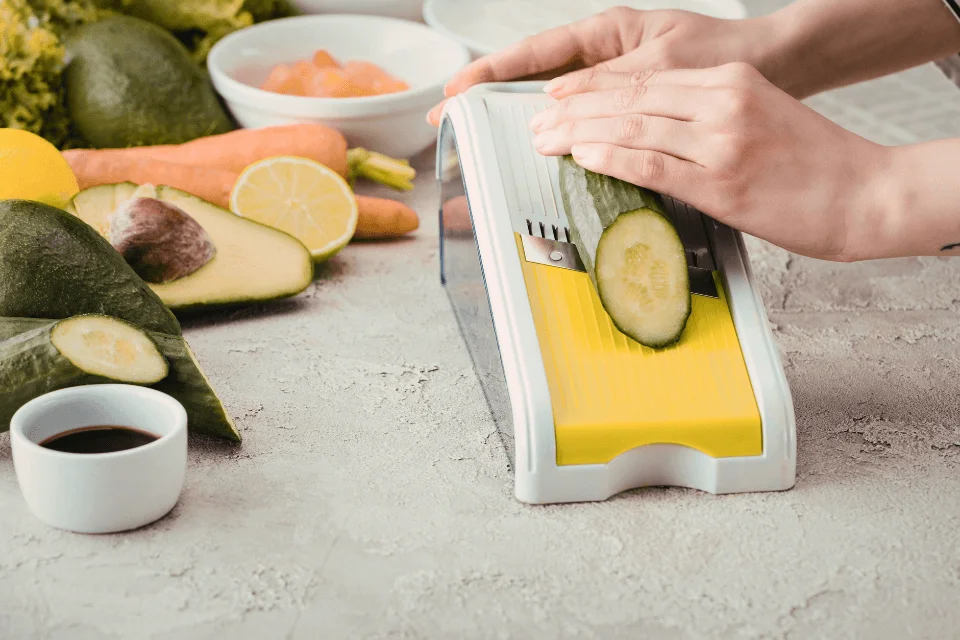
The blade is the heart of a mandoline slicer, so choosing one made from durable, corrosion-resistant materials like stainless steel is essential. A sharp blade not only cuts cleanly but also minimizes the force needed, which translates to safer slicing. I recall a friend who switched from a plastic-blade slicer to a high-quality stainless steel one; she noticed a significant difference in ease and precision, especially with harder vegetables like carrots and beets.
Adjustability and Versatility
A mandoline with multiple thickness settings and blade options increases its usefulness across different dishes. If you regularly prepare dishes that require varying textures, a slicer that can handle julienne and crinkle-cut blades will expand your culinary possibilities. Versatility becomes a major selling point for someone like a meal prep enthusiast, who needs different cuts for salads, sautés, and garnishes.
Safety Features and Ease of Use
Safety should never be compromised. Look for models with sturdy hand guards, non-slip bases, and ergonomic handles. These features prevent accidents and fatigue during longer slicing sessions. I’ve seen cooks struggle with unstable slicers that wobbled on countertops, leading to a few near-misses. Investing in a slicer with solid grip and user-friendly handling dramatically improves both safety and comfort.
Cleaning and Maintenance
A mandoline that is easy to disassemble and clean encourages regular upkeep, maintaining blade sharpness and hygiene. Some models are dishwasher safe, which can be a huge time-saver during busy days. However, care must be taken not to dull the blade with harsh detergents or rough handling. A dishwasher-safe design benefits those who prioritize quick post-cooking cleanup but always check manufacturer instructions to avoid damage.
Step-by-Step Guide to Selecting Your Mandoline Slicer
Assess Your Kitchen Needs and Usage Frequency
Start by considering how often you will use the mandoline and the types of vegetables you typically prepare. For casual users with occasional slicing needs, a simple, affordable manual model may suffice. Frequent cooks or those producing large batches might need a sturdier, multi-functional slicer with advanced safety features. Reflecting on your cooking routines helps narrow options before diving into brands or price points.
Compare Top-Rated Models and Reviews
Once you understand your requirements, explore popular models online or in stores. Reading user reviews can reveal practical insights beyond product descriptions, like how well the slicer handles tougher produce or holds up over time. For example, a model praised for its safety guard might stand out for parents cooking with children. Reviews balance manufacturer claims with real user experiences, guiding smarter purchases.
Testing for Comfort and Stability
If possible, test the mandoline in person. Hold it, simulate slicing motions, and check the feel of the adjustable mechanisms. Stability on the countertop is crucial — a slicer should not slide or rock while in use. A simple test is pressing firmly on the slicer to see if it shifts. Comfort in grip and ease of adjustment can only truly be assessed hands-on, ensuring that you won’t face frustration after purchase.
Additional Tips for Achieving Perfectly Even Cuts
Proper Techniques When Using a Mandoline
Beyond selecting the right slicer, mastering technique is key to flawless results. Always use the hand guard to secure vegetables and adopt slow, controlled motions rather than quick pushes. Keep your wrist aligned with the slicer to maintain consistent pressure and avoid uneven cuts. Watching video tutorials or practicing on softer vegetables like zucchini can build confidence before tackling denser items.
Maintenance to Keep Blades Sharp
Regular blade sharpening or replacement is important as dull blades not only produce uneven cuts but also increase injury risk. After each use, clean the slicer immediately to prevent residue build-up, which dulls blades and hampers performance. Some users find honing steel or specialized sharpeners help maintain the edge, while others prefer replacing blades periodically. Staying proactive with maintenance guarantees your mandoline delivers perfect slices every time.