Understanding Emulsifiers in Skincare
What Are Emulsifiers and Their Role in Formulations?
Emulsifiers are key agents that help blend oil and water phases in skincare products, creating smooth, homogeneous mixtures. Without them, oil and water separate, making creams and lotions ineffective and unstable. They ensure consistent texture and enhance the application experience by evenly distributing ingredients across the skin.
Why Choose Natural Emulsifiers Over Synthetic Ones?
Natural emulsifiers offer a gentle, eco-friendly alternative to synthetic chemicals. They are typically derived from plants or bees and tend to be better tolerated by sensitive skin. Opting for natural options aligns with clean beauty principles and reduces exposure to petrochemical derivatives, which may cause irritation or environmental harm.
Common Natural Emulsifiers You Can Find Easily
Lecithin: Sources and Benefits for Skin
Lecithin, commonly extracted from soybeans or sunflower seeds, is a mild emulsifier rich in phospholipids. It not only stabilizes emulsions but also nourishes the skin by supporting cell membranes and improving moisture retention. Its versatility makes it suitable for creams, serums, and balms.
Beeswax: Emulsifying Properties and Uses
Beeswax acts as a natural emulsifying wax, providing structure and stability to products. It creates a protective barrier on the skin and contributes to a thicker, creamier texture. Beyond emulsification, beeswax offers mild antimicrobial benefits and suits various skin types, especially dry or chapped skin.
Guar Gum and Other Plant-Based Options
Guar gum, derived from guar beans, thickens and stabilizes emulsions by enhancing viscosity. It works well in natural lotions and gels, improving texture without harsh additives. Other plant-based emulsifiers include cetearyl alcohol from coconut and slippery elm extract, which offer additional skin-soothing properties.
How to Identify the Right Natural Emulsifier for Your Recipe
Factors to Consider: Texture, Stability, and Skin Type
Selecting an emulsifier begins with understanding the desired texture and product stability. Some emulsifiers create light lotions, while others produce rich creams. Consider skin type as well; for sensitive or acne-prone skin, mild, non-comedogenic emulsifiers are preferred. Stability under different temperatures and pH levels is another critical factor to ensure shelf life and product integrity.
Testing Emulsifier Compatibility in Homemade Products
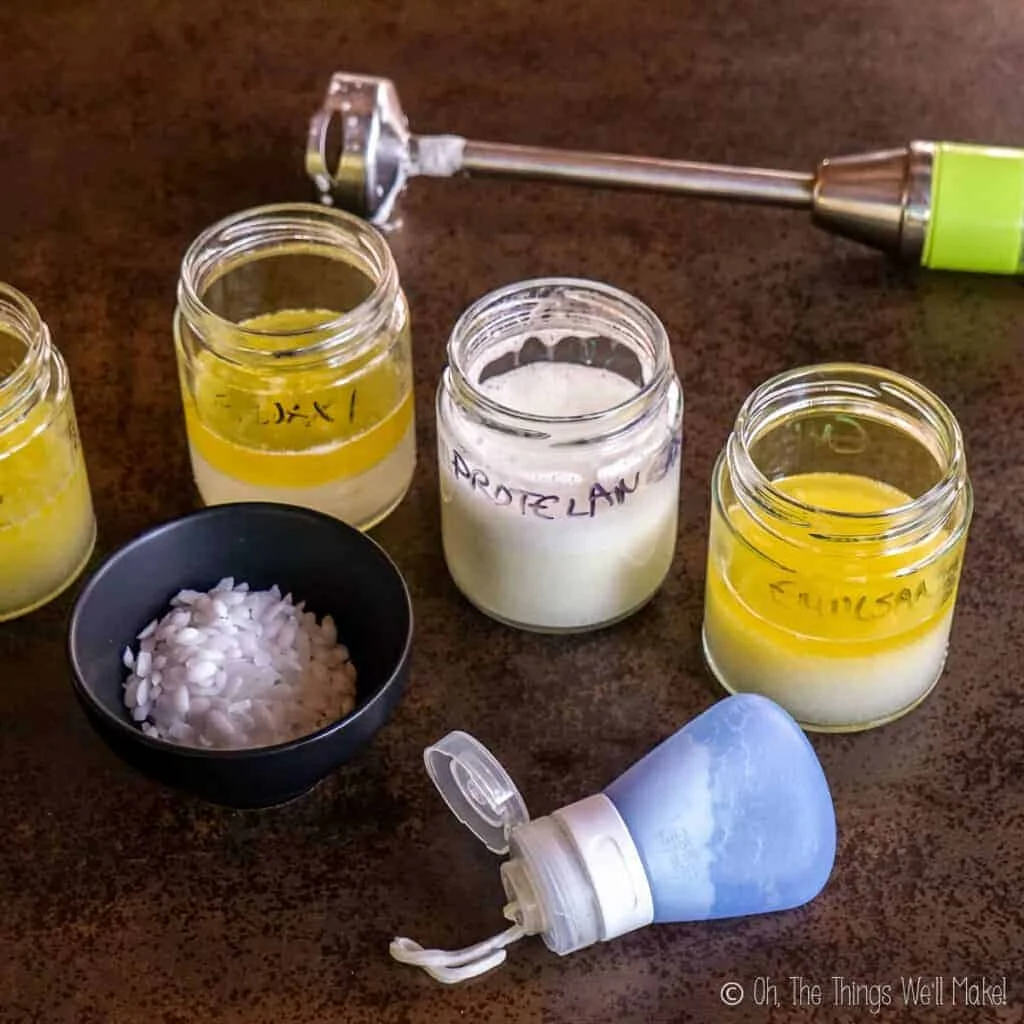
Before scaling up, experiment with small batches to observe how your chosen emulsifier interacts with oils and water phases. Look for separation, texture changes, or any unexpected reactions. Allow your product to sit for several days, testing its consistency and efficacy. This hands-on approach helps avoid costly mistakes and ensures a successful final formulation.
Step-by-Step Guide to Making Stable Emulsions at Home
Measuring and Combining Ingredients
Precision is vital. Use a digital scale to measure oils, water, and emulsifiers accurately. Begin by heating oil and emulsifier together, separately warming the water phase to a similar temperature. Slowly combine hot phases while stirring continuously to encourage a uniform blend. Gradual mixing reduces the risk of breaks or uneven texture.
Techniques to Achieve Smooth and Consistent Creams
Emulsifying requires consistent stirring or blending until the mixture begins to thicken and cool. Using a hand blender or whisk aids uniform dispersion. Avoid overheating or rapid cooling, as these can destabilize the emulsion. Once thickened, add temperature-sensitive ingredients like essential oils or preservatives and mix gently to maintain consistency.
Tips for Enhancing Shelf Life and Performance
Natural Preservatives That Pair Well with Emulsifiers
Preserving homemade skincare is crucial to prevent microbial growth. Natural preservatives such as rosemary extract, grapefruit seed extract, and vitamin E complement natural emulsifiers well. These antioxidants protect oils from rancidity and contribute to product safety, extending shelf life without harsh chemicals.
Storage Conditions to Maintain Product Integrity
Store homemade creations in cool, dark places to minimize degradation from heat and light. Use airtight containers to prevent contamination and moisture intrusion. Label products with preparation dates and monitor for changes in smell, texture, or color. Proper storage supports long-lasting effectiveness and user safety.