Understanding the Benefits of Fermented Foods
Health Advantages and Nutritional Value
Fermented foods have been a part of human diets for centuries, not just because of their unique flavors but also due to their remarkable health benefits. These foods undergo a process where natural bacteria feed on sugar and starch, creating beneficial enzymes, B vitamins, omega-3 fatty acids, and various probiotics. Incorporating fermented foods into your diet can improve digestion, boost your immune system, and even support mental health through the gut-brain connection. The probiotics present help maintain a healthy balance of gut bacteria, reducing inflammation and enhancing nutrient absorption.
Common Types of Fermented Foods Worldwide
Across different cultures, fermented foods take many forms. Sauerkraut from Germany, kimchi from Korea, yogurt popular worldwide, and kefir from the Caucasus region are just a few examples. There’s also miso from Japan, fermented soy products like tempeh from Indonesia, and even sourdough bread which relies on natural fermentation. These foods vary in taste and texture but share a common goal: enriching the diet with live cultures and enhancing flavor naturally. Understanding these varieties helps when choosing which might suit your palate and nutritional preferences.
Starter Guide: Choosing Fermented Foods for Your Kitchen
What to Look for When Buying Fermented Products
When shopping for fermented foods, it’s essential to check labels carefully. Look for products that list live and active cultures to ensure you’re getting the probiotic benefits. Avoid options with excessive sugar, preservatives, or pasturization as these can reduce or eliminate the beneficial bacteria. Some products are pasteurized for shelf stability, which unfortunately negates the fermentation benefits. Also, consider the sodium content, especially in items like sauerkraut and kimchi, as they can be quite salty.
Homemade vs. Store-Bought: Pros and Cons

Making your own fermented foods at home can be rewarding and offers full control over ingredients, allowing you to tailor flavors and textures. Homemade versions are often fresher and contain a higher concentration of probiotics. However, they require time, patience, and careful attention to hygiene to avoid spoilage. On the other hand, store-bought fermented foods provide convenience and consistency but may come with added preservatives or have been pasteurized. Balancing convenience with quality is key when deciding which route fits your lifestyle.
Simple Ways to Add Fermented Foods to Everyday Meals
Breakfast Ideas Featuring Fermented Ingredients
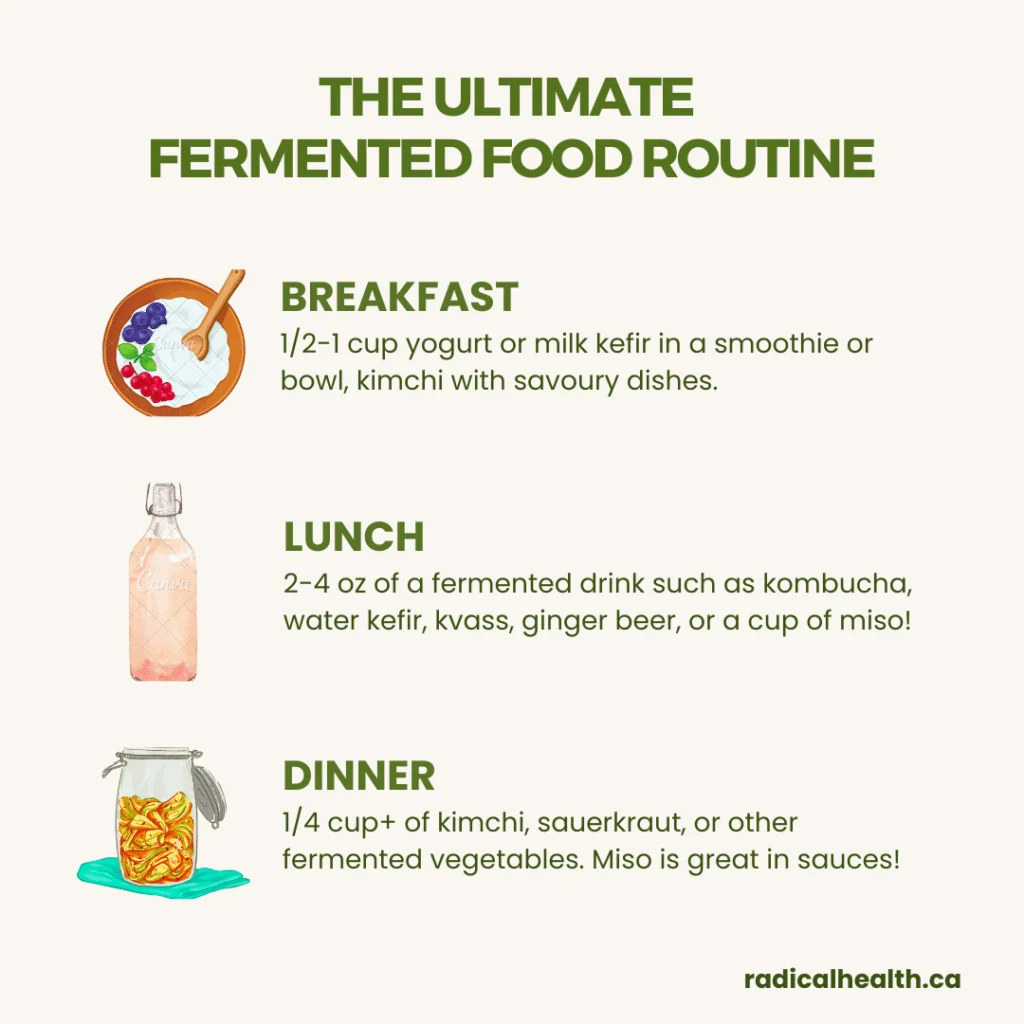
Starting your day with fermented foods is easier than you might think. Adding a spoonful of plain yogurt or kefir to your morning smoothie can boost beneficial bacteria early on. Mixing miso paste into your scrambled eggs gives a savory twist plus probiotics. Even topping your toast with a smear of sauerkraut adds a tangy crunch, turning a simple breakfast into a nutrient-rich meal. These subtle additions integrate the benefits without overwhelming traditional breakfast flavors.
Lunch and Dinner Recipes with Sauerkraut, Kimchi, and More
Fermented foods are incredibly versatile in lunch and dinner dishes. Try incorporating kimchi into fried rice or as a spicy condiment alongside grilled meats. Sauerkraut pairs beautifully with roasted sausages or in sandwiches, offering both acidity and texture. For a lighter option, adding a dollop of yogurt to curries or stews introduces creaminess and probiotics. The key is to treat these foods as flavor enhancers that also contribute to your overall well-being.
Creative Snack Options Using Yogurt and Kefir
Snacking with fermented foods can be both tasty and nourishing. Prepare a yogurt parfait layered with fresh fruit and nuts for a quick energy boost. Kefir can be consumed on its own or blended with berries for a refreshing drink. For something more savory, try dipping vegetable sticks in fermented tzatziki or a probiotic-rich beet kvass-based dressing. These snacks not only satisfy hunger but also help maintain a healthy gut throughout the day.
Step-by-Step: Making Your Own Fermented Foods at Home
Basic Fermentation Techniques for Beginners
Getting started with fermentation at home doesn’t require specialized equipment or expertise. Begin with simple recipes like sauerkraut or pickled cucumbers using just cabbage, salt, and water. The process involves chopping vegetables, mixing with salt to draw out moisture, and then packing them tightly into a jar to create an anaerobic environment. Over several days or weeks, the natural bacteria kickstart fermentation. Keeping the jars in a cool, dark place and tasting periodically helps you monitor progress and determine when the flavor suits you.
Fermenting Vegetables, Dairy, and Grains Safely
Safety is paramount when fermenting at home. Always use clean utensils and containers to avoid unwanted bacteria. For dairy fermentation like yogurt or kefir, pasteurize milk if needed and use starter cultures properly. When fermenting grains, such as sourdough starter, feed your culture regularly and watch for any signs of mold or off smells. Keep in mind that fermentation times vary widely depending on temperature and ingredient type, so patience and careful observation are your best allies for safe and successful batches.
Expert Tips to Maximize Fermented Food Benefits
How to Store and Handle Fermented Foods Correctly
Once your fermented foods are ready, proper storage ensures they retain their nutritional benefits and remain safe to eat. Most fermented products require refrigeration to slow fermentation and keep the texture pleasant. Sealed glass jars work best to maintain air-tight conditions and prevent contamination. Avoid exposing fermented foods to heat or direct sunlight, which can degrade probiotics. When handling, use clean utensils to prevent introducing unwanted bacteria into the jar.
Balancing Fermented Foods with Your Dietary Needs
While fermented foods offer many advantages, it’s important to listen to your body and adjust intake accordingly. Some people may experience digestive discomfort initially as their gut microbiome adjusts. Introducing fermented foods gradually can help prevent this. Additionally, if you are on a low-sodium diet, be cautious with fermented vegetables that tend to be salty. Consulting with a healthcare provider is wise if you have specific health conditions or dietary restrictions. Ultimately, fermented foods should complement a diverse and balanced diet rather than replace whole food groups.