Introduction to Low-Calorie Salad Dressings
Why Choose Homemade Dressings?
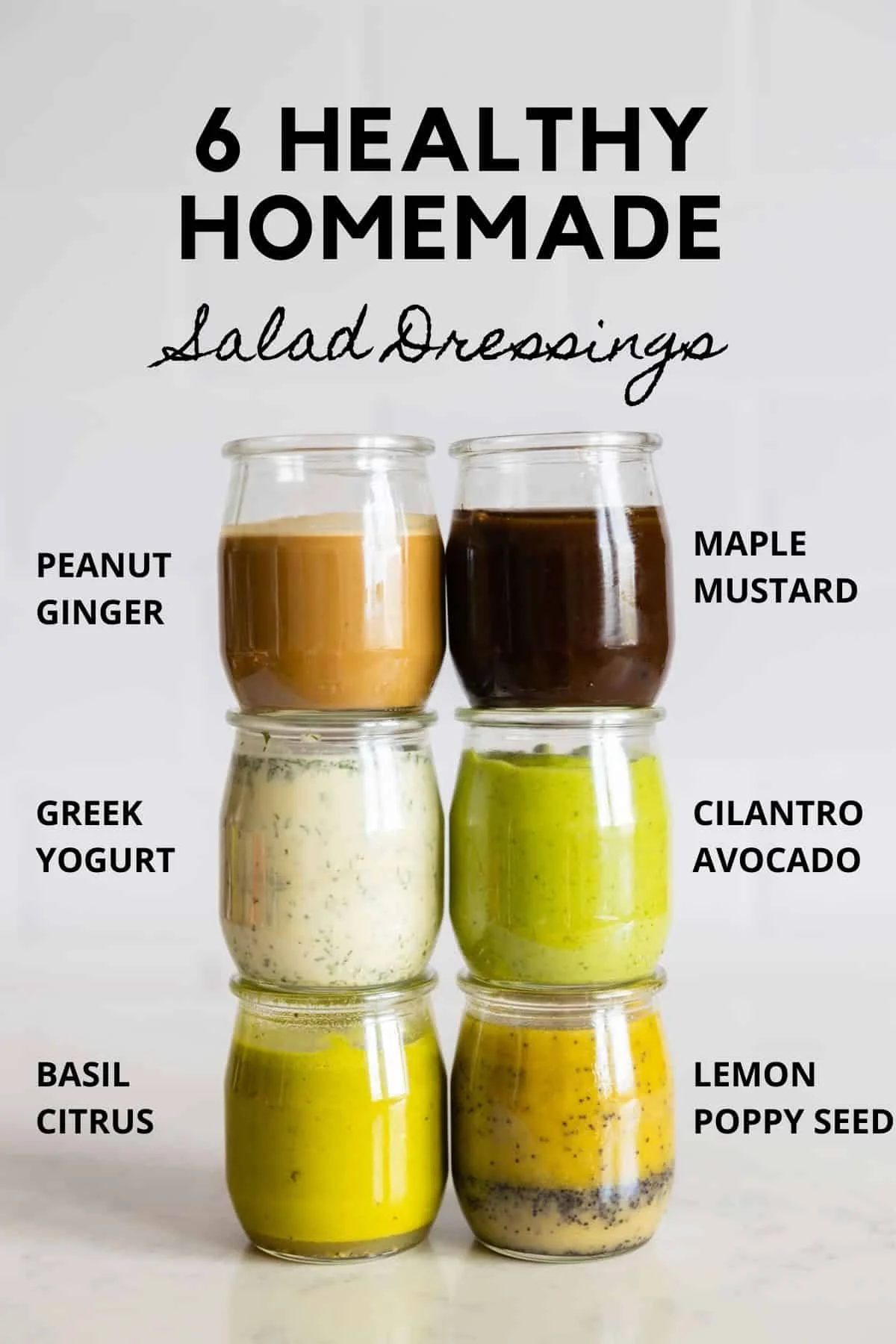
Homemade salad dressings offer control over ingredients, allowing you to avoid preservatives, excess sugars, and unhealthy fats common in store-bought options. Making your own dressings ensures freshness, better flavor, and customization to your taste preferences. It’s a simple way to enhance salads without sacrificing health.
Health Benefits of Low-Calorie Options
Low-calorie dressings help maintain a balanced diet by reducing unnecessary calorie intake from creamy, high-fat alternatives. They support weight management and boost nutrient absorption from fresh vegetables. Choosing lighter dressings can also lower the risk of chronic diseases linked to high saturated fat and sugar consumption.
Key Ingredients for Flavorful, Low-Calorie Dressings
Essential Base Liquids
The foundation of a good low-calorie dressing includes vinegar varieties like apple cider, balsamic, or red wine vinegar and citrus juices such as lemon or lime. These provide acidity and depth without added calories. Using water or broth can dilute strength while keeping calories minimal.
Herbs and Spices to Enhance Taste
Fresh and dried herbs like basil, parsley, oregano, and dill bring a burst of flavor without adding fat or sugar. Spices such as black pepper, paprika, and garlic powder create complexity. Using aromatics smartly elevates the dressing’s profile, making salads more enjoyable and flavorful.
Low-Calorie Sweeteners and Acidic Components
To balance tartness, subtle sweetness is key. Natural sweeteners like stevia, erythritol, or small amounts of honey can be used sparingly. Vinegars, mustard, and citrus juices provide necessary acidity, enhancing flavor while keeping calorie count low. Balancing these elements is crucial for a well-rounded taste.
Step-by-Step Guide to Making Dressings at Home
Preparing Your Ingredients
Start with fresh herbs, peeling garlic or shallots, and measuring liquids accurately. Proper preparation ensures clean, vibrant flavors. Mince herbs finely and juice citrus freshly to maximize taste without adding preservatives or excess sodium.
Balancing Flavors: Sweet, Tart, and Savory
The heart of a great dressing lies in harmony. Begin by mixing the acidic components with your sweetener in small amounts, then add herbs and spices gradually. Taste frequently to adjust, aiming for a balance that complements your salad without overpowering it.
Techniques for Emulsifying and Storing
Light emulsification can be achieved by whisking or shaking ingredients in a jar. Use a blender for creamier textures if desired. Store dressings in airtight containers in the refrigerator, where they usually last up to one week. Shake before use, as natural separation occurs without stabilizers.
Top 5 Homemade Low-Calorie Salad Dressing Recipes
Zesty Lemon Vinaigrette
A bright blend of lemon juice, white wine vinegar, a touch of honey, Dijon mustard, and black pepper. This dressing livens any green salad with a fresh, tangy kick while remaining light.
Garlic and Herb Yogurt Dressing
Using low-fat Greek yogurt as a base, combined with minced garlic, fresh dill, and lemon zest. This creamy yet low-calorie option adds protein and probiotics for extra health benefits.
Spicy Mustard Vinaigrette
A bold mix featuring Dijon mustard, apple cider vinegar, smoked paprika, and a pinch of cayenne pepper. Balanced with a drizzle of stevia syrup, it’s perfect for adding warmth and depth.
Fresh Basil and Balsamic Mix
Chopped fresh basil leaves combined with balsamic vinegar, a splash of water, and a hint of maple syrup. This dressing offers a complex and slightly sweet flavor with minimal calories.
Light Asian-Inspired Sesame Dressing
Toasted sesame oil in a small quantity with rice vinegar, low-sodium soy sauce, grated ginger, and garlic. Sweetened lightly with a sugar substitute, it adds a savory umami twist to salads.
Tips for Customizing Your Dressings
Adjusting Thickness and Texture
If a dressing is too thin, add small amounts of mashed avocado or pureed vegetables for body without many calories. For thinner consistency, dilute with water or extra citrus juice. Blending can create creaminess with low-calorie bases like yogurt or silken tofu.
Adding Superfoods for an Extra Nutritional Boost
Incorporating ingredients like chia seeds, ground flaxseed, or spirulina powder increases fiber, omega-3 fatty acids, and antioxidants. These additions enhance the nutritional profile while contributing subtle textures and flavors.
Common Mistakes to Avoid When Making Dressings
Overusing Oil and Sugar
Even homemade dressings can become calorie-dense if excessive oil or sweeteners are added. Measure carefully and prioritize flavor from herbs, spices, and acids to keep dressings light and healthy.
Improper Storage and Shelf Life
Not storing dressings properly can lead to spoilage or flavor degradation. Always refrigerate and use airtight containers. Avoid keeping homemade dressings for more than a week to maintain freshness and safety.
Conclusion: Elevate Your Salads with Creative Low-Calorie Dressings
Making flavorful low-calorie salad dressings from scratch empowers you to enjoy fresh, healthy meals without compromise. By understanding key ingredients, balancing flavors, and avoiding common pitfalls, you can transform simple greens into satisfying dishes. Experiment with recipes and customize dressings to suit your tastes while keeping nutrition front and center.