Introduction to Homemade Low-Calorie Salad Dressings
Why Choose Homemade Over Store-Bought?
Many people turn to store-bought salad dressings for convenience, but these often come with hidden calories, artificial additives, and preservatives that can compromise nutritional quality. The problem is that these commercial options can overshadow the healthy nature of salads themselves. Making your own salad dressings at home gives you full control over the ingredients, allowing you to create flavorful options without unnecessary additives. This not only supports a healthier diet but also encourages mindful eating habits.
The Benefits of Preservative-Free Dressings
Preservatives are commonly added to packaged foods to extend shelf life, but they may cause sensitivity for some individuals and detract from the natural taste of fresh ingredients. Without preservatives, dressings retain a fresher flavor profile and avoid potential chemical exposure. However, the challenge lies in preserving homemade dressings without compromising safety or flavor. Understanding how to handle and store preservative-free dressings properly makes homemade options a safer and more enjoyable choice.
Key Ingredients for Healthy Low-Calorie Dressings
Essential Oils and Vinegars
The foundation of most healthy salad dressings includes essential oils and vinegars, which provide flavor without many calories. Olive oil and avocado oil are popular choices due to their heart-healthy benefits. For those limiting fats, using a smaller amount of oil combined with vinegar like apple cider, balsamic, or red wine vinegar helps maintain taste while reducing calories. The problem arises when high-calorie oils are used excessively, so balancing oil and vinegar properly is key to keeping calorie counts low.
Natural Sweeteners and Flavor Enhancers
To avoid the high sugar content often found in commercial dressings, natural sweeteners like honey, maple syrup, or agave can be used sparingly. Their natural composition offers sweetness with additional antioxidants and nutrients, unlike refined sugars. Adding small amounts of citrus juice, such as lemon or lime, can also brighten flavors without extra calories. The difficulty is in using these ingredients moderately to prevent the dressing from becoming calorie-dense or overpoweringly sweet.
Herbs and Spices for Added Nutrition
Herbs and spices are excellent for boosting both the flavor and nutritional content of dressings. Fresh herbs like basil, dill, and parsley add antioxidants and vitamins, while spices such as garlic powder, cumin, or black pepper provide depth without calories. Often overlooked, these ingredients can transform a basic dressing into a nutrient-rich and delicious addition to salads. The key is to experiment with combinations that complement your salad ingredients best.
Step-by-Step Guide to Making Your Dressing
Equipment Needed
While making salad dressings at home is straightforward, having the right equipment helps ensure consistency and ease. A small mixing bowl or jar with a tight-fitting lid is useful for combining ingredients effectively. A whisk, fork, or even a small blender can help emulsify oil and vinegar mixtures smoothly. Without proper tools, achieving the right texture can be challenging, which may affect the dressing’s appeal.
Basic Recipe Foundation
Start with a simple formula: three parts vinegar to one part oil, then add natural sweeteners and seasonings to taste. For example, blend apple cider vinegar, olive oil, a touch of honey, minced garlic, and fresh herbs. This basic recipe keeps calories low while allowing flexibility. Problems often arise when proportions are unbalanced, leading to overly oily or sour dressings. Carefully measuring ingredients ensures a harmonious and healthy result.
Customizing Flavors to Suit Your Taste
One of the main advantages of homemade dressings is the ability to tailor flavors precisely. If you prefer more acidity, increase the vinegar or citrus juice slightly. For richness, add a small amount of avocado or tahini. Incorporate a hint of spice with crushed red pepper or Dijon mustard. The challenge is finding the right balance so the dressing enhances the salad without overpowering it. Tasting and adjusting gradually is the best approach.
Recipe Ideas for Different Salad Types
Vinaigrettes for Leafy Greens
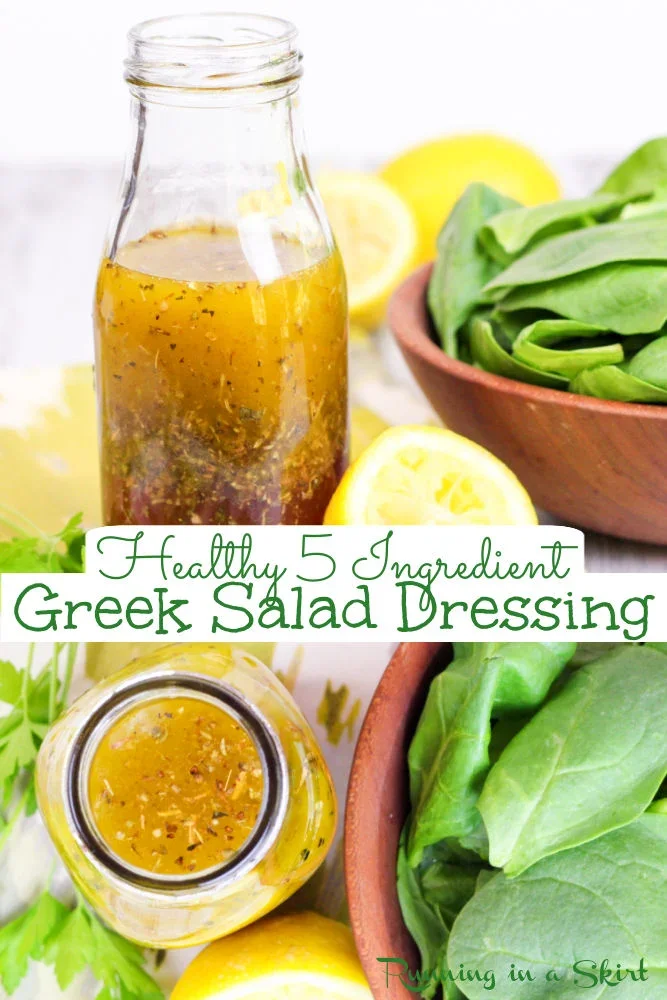
Leafy greens like spinach or arugula pair well with light vinaigrettes. A classic balsamic vinaigrette made from balsamic vinegar, olive oil, mustard, and herbs complements the bitterness of these greens. The key is to avoid heavy oils or creamy elements that can weigh down the freshness of leaves. The problem with many commercial vinaigrettes is their high sugar or fat content, which homemade versions can easily eliminate.
Creamy Dressings without Heavy Ingredients
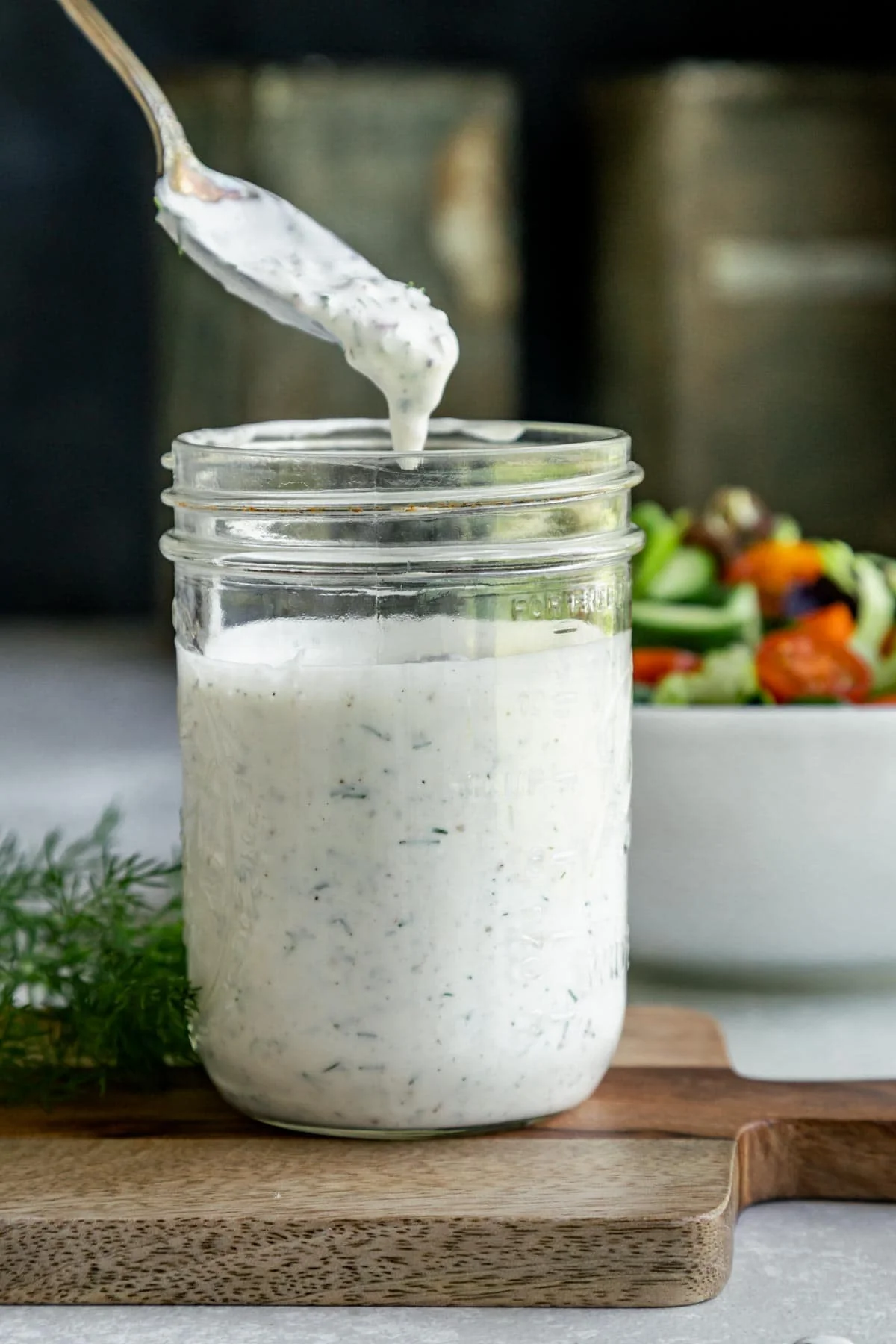
Often, creamy dressings are laden with mayonnaise or sour cream, increasing calories significantly. A healthy alternative at home uses Greek yogurt or mashed avocado as a base, combined with lemon juice, garlic, and herbs. These ingredients create a satisfying texture and flavor without excessive fat or preservatives. The difficulty is maintaining creaminess while keeping calories low, which requires the right ingredient choices and proportions.
Dressings for Fruit-Based Salads
Fruit salads benefit from dressings that complement their natural sweetness and acidity. A mix of honey, lime juice, and a splash of light vinegar balances flavors nicely. Fresh mint or ginger can add a refreshing twist. Store-bought options may contain added sugars and artificial flavors that detract from the fruits’ natural taste. Making dressings at home allows you to highlight freshness and avoid unnecessary caloric load.
Tips for Storing and Using Your Dressings
Storage Without Preservatives: Best Practices
Without preservatives, homemade dressings require careful storage to maintain safety and quality. Refrigerating dressings in airtight containers slows microbial growth. Keeping dressings cold and avoiding contamination by using clean utensils each time reduces spoilage risks. The main challenge is balancing freshness with safe consumption durations, which must be managed through proper refrigeration and hygiene practices.
How Long Do They Last?
Typically, preservative-free dressings last up to one week in the refrigerator, depending on the ingredients used. Dressings with fresh herbs or dairy bases may have shorter shelf lives, while those heavy in vinegar can last a bit longer. It’s important to observe any changes in color, smell, or texture as signs to discard the dressing. Awareness of these limits ensures safe enjoyment without compromising health.
Creative Ways to Use Leftover Dressings
Leftover dressings can be repurposed beyond salads to minimize waste. They work well as marinades for vegetables or lean proteins, enhancing flavors without extra calories. Using dressings as dipping sauces for fresh veggies or breadsticks adds variety to meals. The issue is using them within their safe timeframe to avoid spoilage. Planning meals around dressing use can help maximize their benefits.