Understanding the Basics of Low-Sugar Salad Dressings
The Role of Sugar in Traditional Dressings
Sugar is commonly used in traditional salad dressings to balance acidity and add a touch of sweetness. It helps soften the sharpness of vinegars or citrus juices, creating a more harmonious flavor profile. However, many commercial dressings contain added sugars far beyond what is necessary for taste, contributing to unnecessary calorie intake. Recognizing sugar’s function in dressings is the first step toward crafting healthier alternatives.
Why Avoid Preservatives?
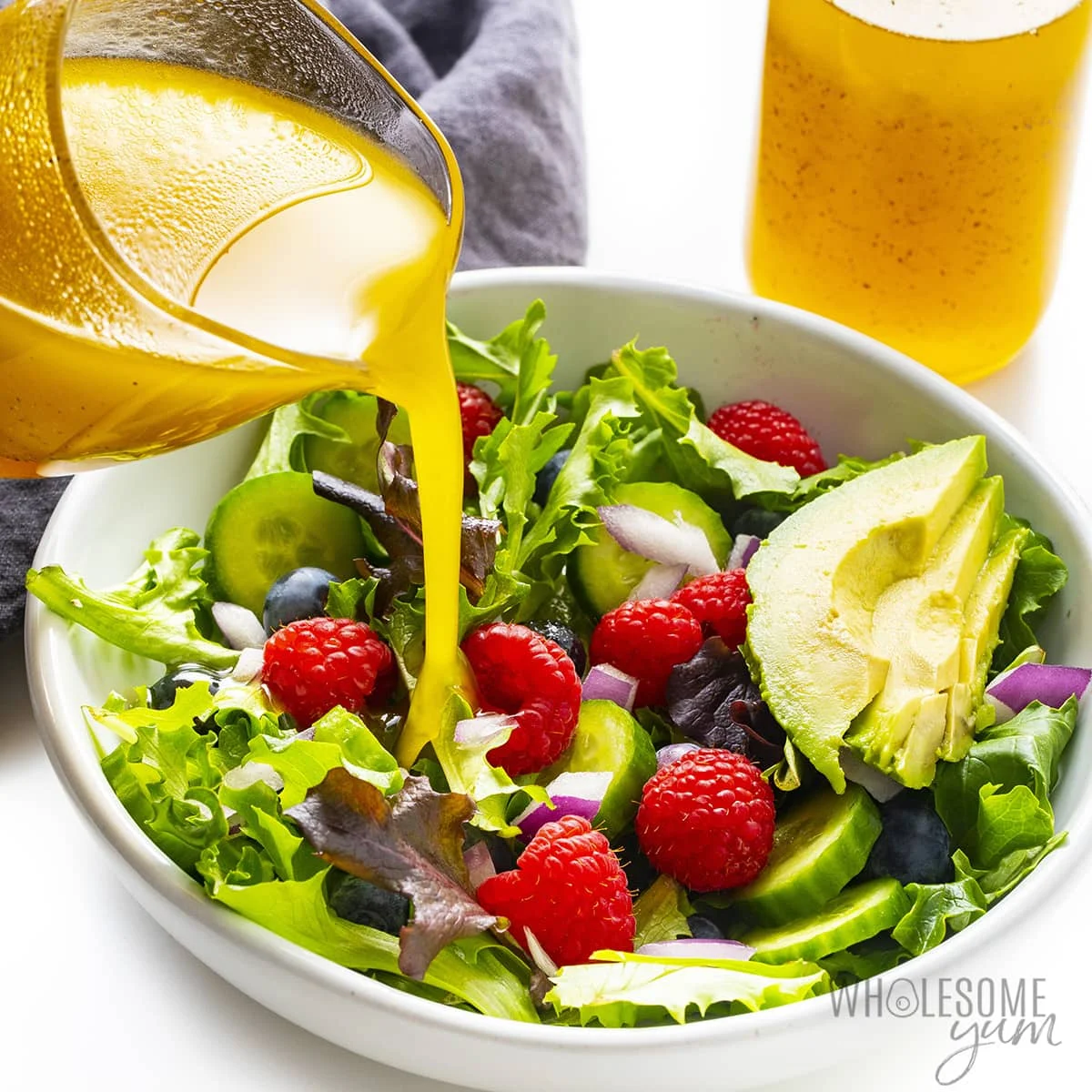
Preservatives in store-bought salad dressings prolong shelf life but often come with concerns about potential health risks and artificial additives. Many people prefer to avoid these chemicals to maintain a diet closer to natural, whole foods. Homemade dressings offer control over every ingredient, ensuring no unnecessary preservatives are included. By making dressings from scratch, you reduce exposure to additives and enjoy fresher, more vibrant flavors.
Health Benefits of Homemade Dressings
Creating your own low-sugar salad dressings allows you to minimize sugar intake, which is beneficial for blood sugar control and overall calorie management. Homemade dressings also tend to have better fat quality as you can choose heart-healthy oils like extra virgin olive oil. Additionally, eliminating preservatives and artificial ingredients helps support digestion and reduces the likelihood of allergic reactions or sensitivities. Overall, homemade dressings contribute to cleaner, more mindful eating habits.
Essential Ingredients for Low-Sugar Dressings
Natural Sweeteners: Options and Usage
When replacing sugar in dressings, natural sweeteners can add subtle sweetness without overwhelming the palate or spiking blood sugar levels. Ingredients such as honey, maple syrup, or agave nectar are popular choices but should be used sparingly to keep the sugar content low. Alternatively, fruit purees like mashed ripe avocado or blended mango introduce natural sugars while contributing texture and flavor. Experimenting with these options helps maintain balance and adds complexity to dressings.
Oils and Vinegars That Enhance Flavor
The foundation of most salad dressings lies in the combination of oils and vinegars. High-quality oils like extra virgin olive oil, avocado oil, or walnut oil provide richness and healthy fats. Vinegars, including balsamic, apple cider, and red wine vinegar, bring acidity which brightens the dressing. Selecting vinegars with distinct flavor profiles can reduce the need for added sweeteners. Pairing these thoughtfully creates a well-rounded and satisfying dressing.
Herbs, Spices, and Flavor Boosters
Herbs and spices elevate dressings without adding sugar or calories. Fresh herbs like basil, cilantro, or dill infuse vibrancy, while dried spices such as cumin, paprika, or black pepper add depth. Adding ingredients like minced garlic, Dijon mustard, or a splash of citrus juice introduces sharpness and complexity. These flavor enhancers allow for creative variations and make sugar unnecessary for achieving a tasty dressing.
Step-by-Step Guide to Making Your Own Dressings
Preparing the Base: Oils and Vinegars
Start by measuring your preferred oil and vinegar in roughly a three-to-one ratio, typically three parts oil to one part vinegar. Pour them into a mixing bowl or jar with a tight-sealing lid. This ratio serves as a guideline, but you can adjust according to your taste preferences and the acidity of your chosen vinegar. Ensure the oils are fresh for the best flavor impact.
Incorporating Flavors Without Sugar
Next, introduce flavor elements such as herbs, spices, and natural sweeteners if desired. For sweetness, use minimal amounts of honey or a dab of fruit puree to keep sugar content low. Include a teaspoon or two of Dijon mustard or freshly minced garlic to add depth and tang. Squeeze in a little lemon juice or zest to brighten the dressing further. Combine these ingredients gradually, tasting as you go to achieve balance without sugar dominance.
Mixing Techniques for Perfect Emulsification
To ensure the dressing is well blended and emulsified, you can whisk the ingredients vigorously in a bowl or shake them together in a sealed jar. Emulsification is crucial for preventing the oil and vinegar from separating quickly. Using a blender or immersion mixer can also create a creamy texture. Let the dressing settle before serving, then give it a quick stir or shake to re-incorporate all components evenly.
Creative Dressing Recipes to Try at Home
Classic Balsamic Vinaigrette with a Twist
Begin with balsamic vinegar and extra virgin olive oil as your base. Add a teaspoon of honey, a small dollop of Dijon mustard, and freshly cracked black pepper. To enhance flavor without sugar, mix in finely chopped fresh basil and a squeeze of lemon juice. This combination balances sweetness, acidity, and herbaceous notes perfectly.
Creamy Avocado and Herb Dressing
Use ripe avocado blended with olive oil, a splash of apple cider vinegar, and fresh herbs such as cilantro and parsley. Add minced garlic, lemon juice, and a pinch of salt to taste. This dressing offers a creamy texture without relying on sugar or preservatives, ideal for green salads or grilled vegetables.
Mustard and Lemon Zest Dressing
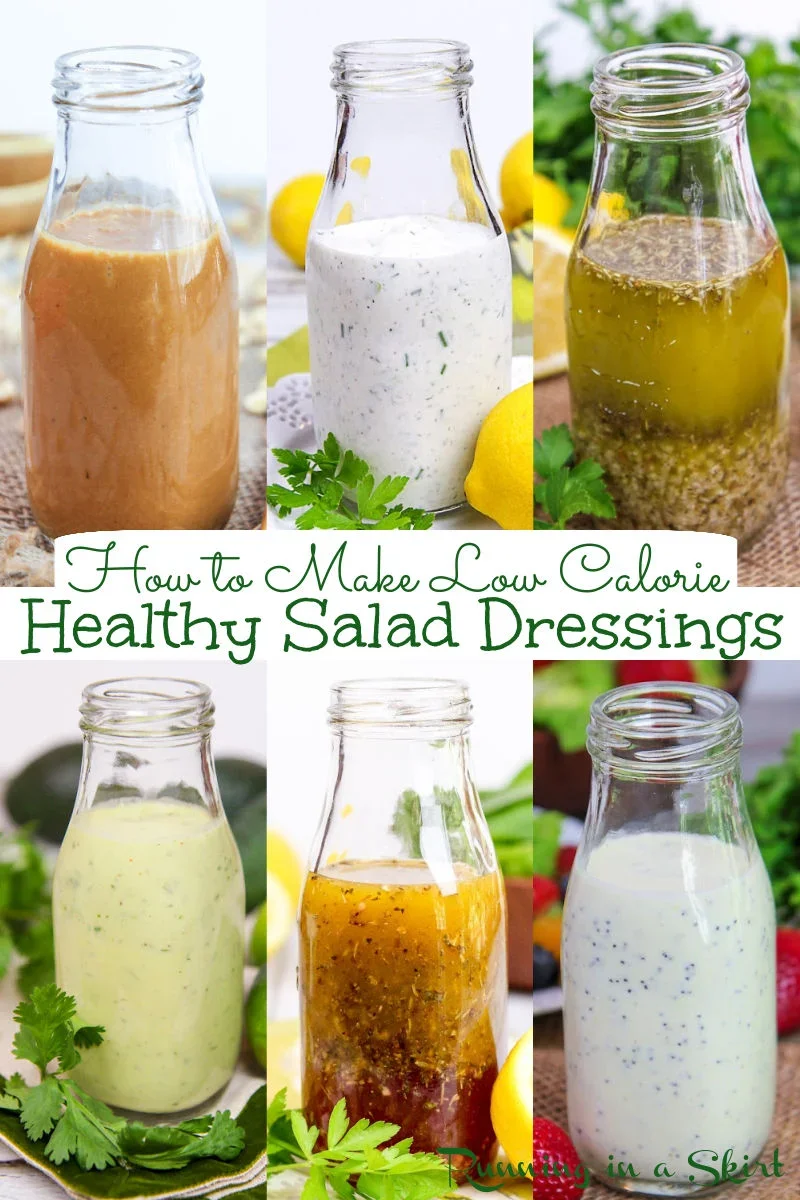
Combine lemon juice and zest with extra virgin olive oil and whole grain mustard. Add a touch of honey for slight sweetness and season with black pepper. The lemon zest provides aromatic citrus flavor, while mustard acts as both an emulsifier and a flavor enhancer, resulting in a bright, tangy dressing that complements many dishes.
Storing and Serving Tips for Freshness
Optimal Containers for Homemade Dressings
Store your homemade dressings in glass containers with airtight lids, such as mason jars or small bottles. Glass does not react with acidic ingredients, preserving the dressing’s taste and quality. Ensure containers are clean and dry before use to avoid contamination.
How to Keep Dressings Fresh Without Preservatives
Since homemade dressings lack preservatives, refrigeration is essential to maintain freshness and prevent spoilage. Label your dressings with the date of preparation and aim to consume them within one week. Avoid leaving dressings at room temperature for extended periods, especially after serving.
Best Practices for Serving and Portioning
Shake or stir dressings before serving to recombine separated ingredients. Use small amounts initially and add more to taste, ensuring salads don’t become over-saturated. Portion dressings separately when packing salads for meal prep, keeping greens crisp and fresh until ready to eat.