Introduction to Sous Vide Cooking
What is Sous Vide and Why It Matters
Sous vide, French for “under vacuum,” is a cooking technique that has taken the culinary world by storm. At its core, it involves vacuum-sealing food in a bag and cooking it in a water bath at a precise, consistent temperature. Unlike traditional methods that rely on high heat, sous vide allows for exact control, ensuring your meat turns out perfectly tender and evenly cooked every time.
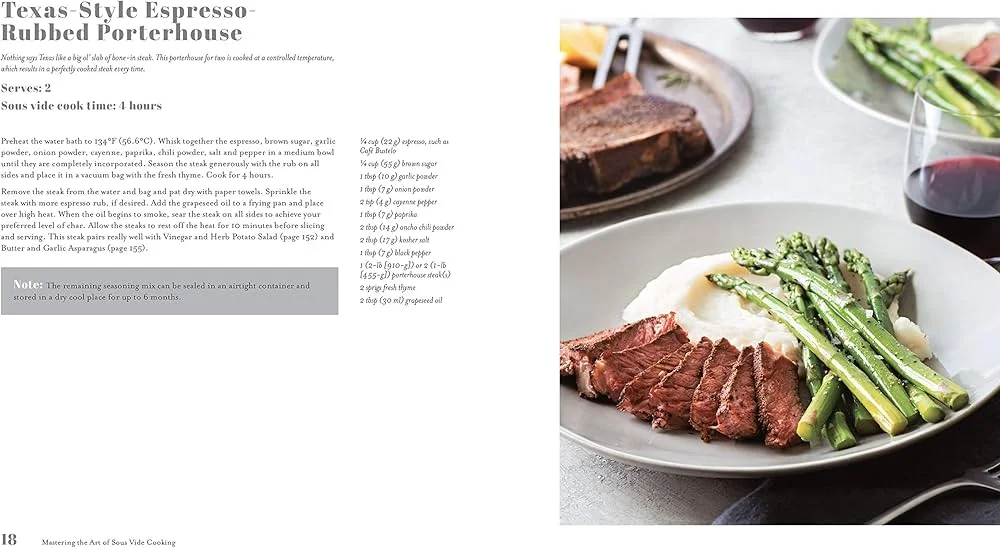
The importance of mastering sous vide lies in its ability to transform even the toughest cuts into restaurant-quality dishes. It’s a game-changer because it eliminates guesswork, delivering reliable results that are hard to achieve otherwise. Whether you’re a home cook or a foodie enthusiast, understanding this technique opens up a whole new world of culinary possibilities.
The Science Behind Tender Meat
The magic of sous vide is all about temperature and time. When meat cooks slowly and evenly at low temperatures, the proteins break down gently without overcooking the outer layers. This produces tender, juicy results that stay consistent throughout. Unlike grilling or roasting, where heat is applied unevenly, sous vide cooks food uniformly from edge to edge.
Collagen, the tough connective tissue in meat, melts slowly during sous vide cooking, turning into gelatin that adds moistness and richness. This controlled breakdown enhances the overall texture and flavor, giving you tender meat that’s practically foolproof to prepare.
Essential Equipment for Sous Vide Mastery
Choosing the Right Immersion Circulator
At the heart of any sous vide setup is the immersion circulator. This device heats and circulates water to maintain a consistent temperature throughout your cooking vessel. When selecting one, consider reliability, temperature range, and ease of use.
More affordable models work perfectly for beginners, but if you plan to cook frequently, investing in a robust, precise circulator pays off. Some premium options even come with Wi-Fi controls, letting you monitor your cook from your phone. Whichever you choose, accuracy in maintaining water temperature is essential for perfect results.
Vacuum Sealers vs. Ziploc Bags: Pros and Cons
Vacuum sealers are the traditional choice for sous vide cooks. They remove air completely, providing tight seals that improve heat conduction and reduce cooking times. Plus, they’re great for long-term storage and batch cooking. However, these machines can be pricey and take up counter space.
On the other hand, high-quality Ziploc bags have become a popular alternative. When using the water displacement method, you can push air out effectively, making these bags a budget-friendly option. Just ensure the plastic is BPA-free and labeled safe for cooking. While not as perfect as vacuum sealers, Ziploc bags are convenient and widely accessible for casual cooks.
Additional Tools to Enhance Your Experience
Beyond the basic setup, a few extra tools can streamline your sous vide adventures. A large, deep container or pot ensures ample water volume for even cooking. Clips or racks can help keep bags submerged and properly spaced.
A cast-iron skillet or high-quality pan is invaluable for searing your meat after sous vide to develop that enticing crust. Lastly, a digital thermometer can provide added reassurance when finishing your meat, especially if you’re experimenting with new cuts or recipes.
Step-by-Step Guide to Sous Vide Meat Preparation
Meat Selection: Best Cuts for Sous Vide
Not all cuts are created equal when it comes to sous vide. This method shines with tougher cuts like chuck, brisket, or short ribs, transforming them from chewy to tender through slow cooking. But it also brilliantly cooks premium cuts such as ribeye, filet mignon, or pork tenderloin, preserving their tenderness and juiciness perfectly.
Choosing fresh, high-quality meat sets the foundation for a great sous vide meal. Ultimately, the versatility of sous vide means you can experiment with almost any cut, broadening your cooking repertoire.
Seasoning and Sealing for Optimal Flavor
Simple seasoning before sealing your meat can amplify flavors, as sous vide intensifies aromas during cooking. Salt is essential, but don’t shy away from pepper, herbs, garlic, or a touch of spice to personalize your dish.
When sealing, ensure the bag is properly closed without excess air. Air pockets can interfere with heat transfer and floating bags can cook unevenly. For vacuum sealers, follow the manufacturer’s instructions, and for Ziploc methods, a slow and careful water displacement technique works wonders.
Temperature and Time Settings for Different Meats
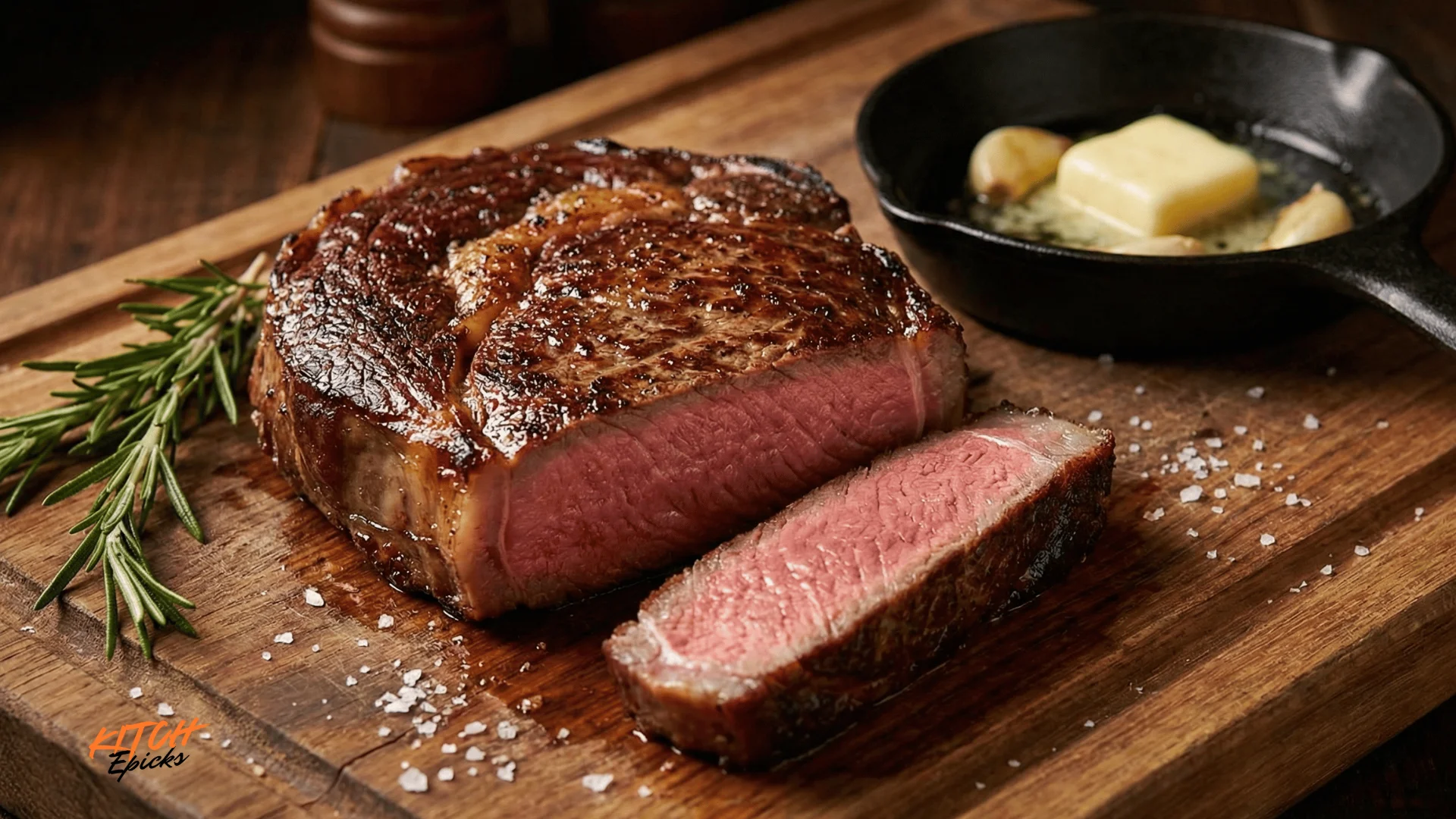
Precision is the beauty of sous vide, and selecting the right temperature and time is key. For example, a medium-rare steak cooks best at around 130°F (54°C) for 1 to 4 hours, depending on thickness.
Tougher cuts like brisket require longer times—often 24 to 48 hours—at lower temperatures like 135°F (57°C) to break down collagen into gelatin gradually. Poultry, on the other hand, typically cooks at 140-150°F (60-65°C) for 1 to 4 hours, ensuring it remains moist yet safe to eat.
Experimenting with these parameters based on your desired texture helps you find that perfect balance for each type of meat.
Advanced Techniques and Tips for Perfect Results
Butter Infusion and Marinades
Adding butter, fresh herbs, or aromatics inside your sous vide bag can elevate the flavor profile of your meat. Infusing your meat with melted butter, garlic, thyme, or rosemary during cooking subtly enhances richness and complexity.
Marinades are also effective but should be used thoughtfully—too much acid can alter texture. Using mild, balanced marinades helps tenderize without overpowering the natural meat flavors.
Finishing Techniques: Searing and Presentation
Once the sous vide process is done, a quick sear is what brings your meat from perfect tenderness to mouthwatering appeal. A hot cast-iron pan or blowtorch caramelizes the exterior, adds texture, and locks in juices.
This step requires high heat and a short time to avoid cooking the inside further. After searing, let the meat rest briefly before serving, which keeps juices evenly distributed and enhances final presentation.
Common Mistakes and How to Avoid Them
Overcooking or Undercooking Explained
While sous vide is forgiving, it’s still possible to overcook or undercook your meat if you stray too far from recommended times and temperatures. Overcooking leads to mushy textures, while undercooking may result in less tender or unsafe meals.
Sticking closely to trusted guidelines and using timers can prevent these issues. Remember that longer doesn’t always mean better; maintaining the right balance is crucial.
Food Safety Best Practices
Because sous vide involves low-temperature cooking, it’s vital to follow food safety rules. Always use fresh ingredients, seal bags properly, and keep your water bath between safe temperature ranges to prevent harmful bacteria growth.
After cooking, if you’re not serving immediately, rapidly chill your bags in an ice bath and refrigerate promptly. This extra caution helps maintain safety without sacrificing quality.
Creative Sous Vide Recipes to Try Today
Juicy Steak with Garlic and Rosemary
Start with a thick-cut ribeye or sirloin. Season generously with salt, pepper, and fresh rosemary sprigs. Vacuum-seal with a knob of butter and crushed garlic cloves. Cook at 130°F (54°C) for 2 hours. Finish by searing for 1-2 minutes per side in a hot cast-iron skillet. The result is a steak bursting with flavor and beautifully tender throughout.
Succulent Chicken Breast with Herbs
Season chicken breasts simply with salt, pepper, and thyme. Place in a bag with butter and a slice of lemon. Cook at 145°F (63°C) for 1.5 hours. After sous vide, pat dry and quickly sear skin-side down to crisp the exterior. This technique delivers juicy, tender chicken that’s impossible to overcook.
Conclusion: Elevating Your Cooking with Sous Vide
Mastering sous vide unlocks a new level of precision and flavor in your kitchen. With the right equipment and techniques, you can reliably produce tender, juicy meat that impresses every time. While it takes some patience and practice to get comfortable, the rewards are undeniable—a blend of art and science delivering culinary perfection.
By avoiding common pitfalls and experimenting with flavor infusions and finishing touches, you’ll soon find sous vide becoming a favorite cooking method. So, why not start today? Your next perfectly cooked meal awaits.