Understanding the Basics of Meal Prepping with Whole Foods
What Constitutes a Balanced Dinner?
A balanced dinner is one that includes a well-proportioned mix of macronutrients and micronutrients to fuel the body efficiently. Typically, this means a combination of lean proteins, complex carbohydrates, healthy fats, and a variety of vegetables. Proteins help repair and build tissues, carbohydrates provide the necessary energy, and fats support brain function and cell health. Additionally, fiber-rich vegetables contribute essential vitamins, minerals, and antioxidants that support overall wellness. When meal prepping, aiming for these components ensures that each dinner not only satisfies hunger but also nourishes the body fully.
Benefits of Using Whole Foods for Weekly Meal Prep
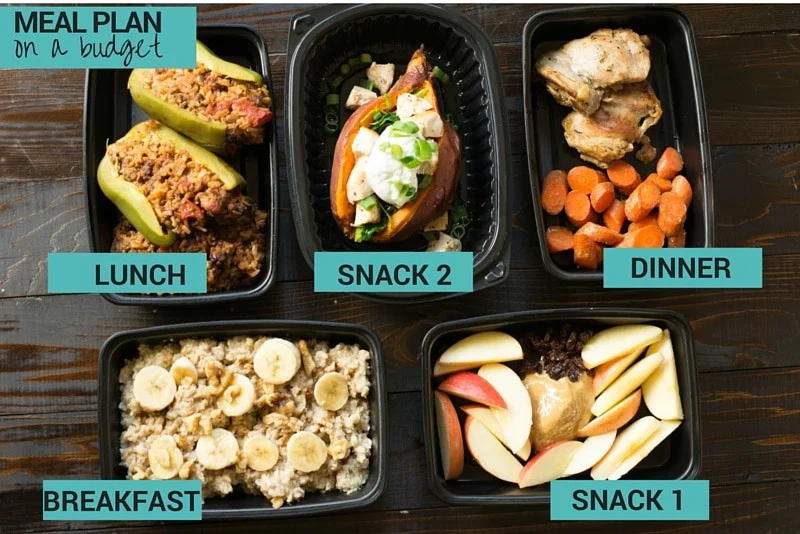
Whole foods are minimally processed and close to their natural state, making them nutrient-dense options for wholesome eating. Incorporating whole foods into weekly meal prep offers numerous advantages. Firstly, these foods tend to have fewer additives, preservatives, and unhealthy fats, which contribute to better digestion and sustained energy levels. Secondly, whole foods often have a richer supply of vitamins, minerals, and fiber that support immune function and metabolic health. Lastly, cooking with whole foods encourages creativity and diversity in the kitchen, preventing mealtime monotony during a busy week.
Planning Your Weekly Dinner Menu
Assessing Your Nutritional Needs
Before creating a meal plan, it’s important to understand your individual nutritional requirements. Factors such as age, activity level, health goals, and any medical conditions influence what your body needs daily. For example, highly active individuals need more protein and carbohydrates to support muscle repair and energy. Meanwhile, those with specific health conditions might require tailored macronutrient ratios, such as lower sodium or reduced sugar. Taking time to evaluate these needs helps in designing dinners that promote overall health and align with personal objectives.
Creating a Diverse and Balanced Meal Plan
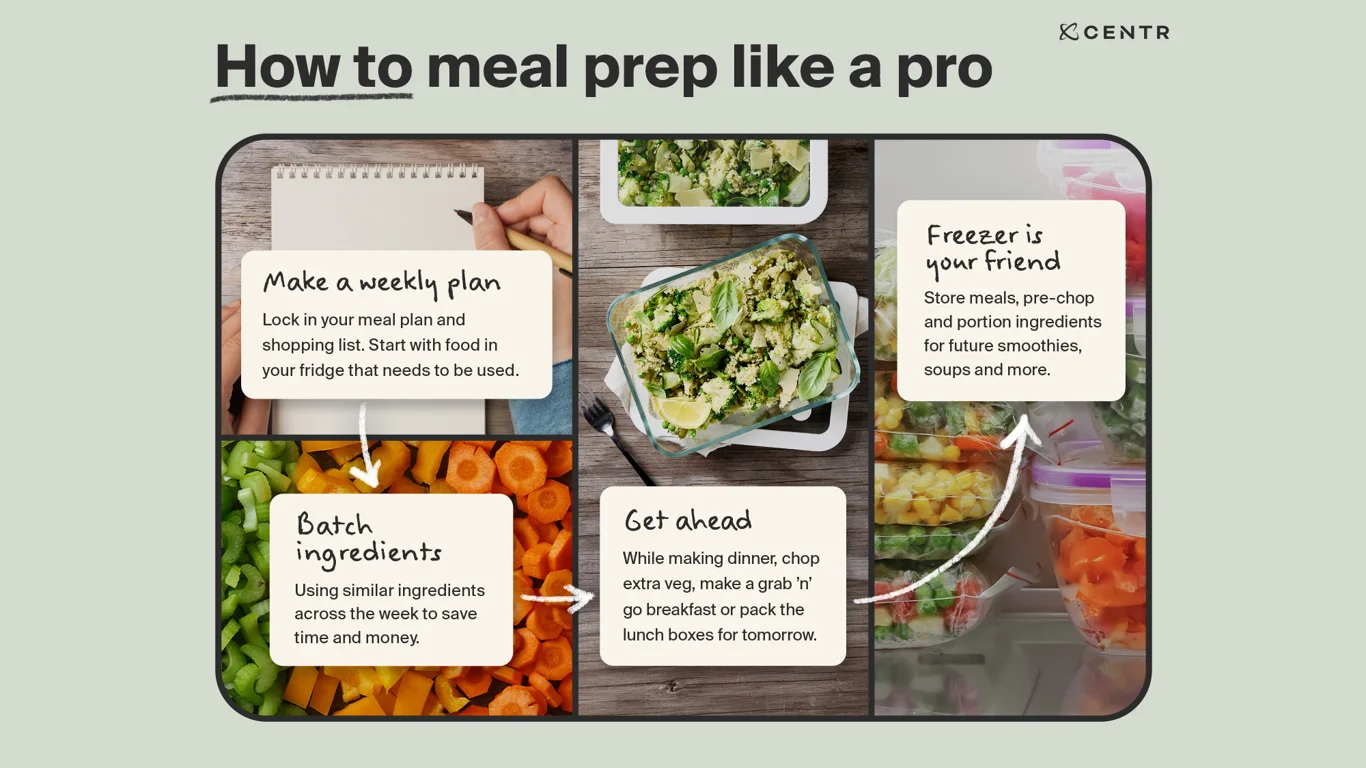
Diversity in your meal plan ensures that you obtain a broad spectrum of nutrients and keep dinners exciting rather than repetitive. Rotate protein sources between poultry, fish, legumes, and plant-based alternatives to add variety. Vary your grains, such as quinoa, brown rice, or barley, to enhance fiber and mineral intake. Adding different vegetables each week not only boosts nutrient intake but also expands your palate. Planning meals this way avoids nutrient gaps and supports long-term adherence to healthy eating habits.
Incorporating Seasonal and Local Ingredients
Shopping with seasonality and locality in mind can enhance both flavor and nutrition. Seasonal produce tends to be fresher, more affordable, and higher in nutrients compared to out-of-season items. Local ingredients often have a smaller carbon footprint and support community farmers. Additionally, these choices introduce natural variety into weekly meals, as different vegetables and fruits become available throughout the year. Integrating seasonal whole foods into your plan fosters sustainability and enjoyment in meal prepping.
Grocery Shopping: Tips for Selecting Whole Foods Efficiently
Building a Whole Foods Shopping List
Creating a detailed shopping list based on your weekly menu is the first step toward efficient grocery shopping. Including precise quantities helps avoid impulse purchases and food waste. Categorize your list by sections of the store, such as produce, grains, proteins, and dairy or alternatives, to streamline the trip. This preparation saves time, reduces stress, and ensures that all ingredients needed for your balanced dinners are on hand, setting you up for a successful meal prep session.
How to Choose Fresh Produce, Grains, and Proteins
Selecting the freshest whole foods involves understanding key quality indicators. When choosing produce, look for vibrant colors, firm textures, and absence of bruises or mold. For grains like quinoa or barley, opt for packages with no signs of moisture or clumping to guarantee freshness. Protein choices should emphasize lean cuts for meats, and when buying legumes, dried or canned varieties without added salt or preservatives are optimal. Taking time to inspect ingredients carefully ensures your meals will be both flavorful and nutritious.
Step-by-Step Guide to Prepping Balanced Dinners
Batch Cooking Proteins: Methods and Timing
Batch cooking proteins is a cornerstone of efficient meal prep. Start by selecting proteins that hold up well when cooked and stored, such as chicken breast, tofu, lentils, or fish that can be gently cooked. Use versatile cooking methods like baking, grilling, or slow cooking, which allow you to prepare larger quantities at once. Timing is essential; cooking proteins first ensures that you can move seamlessly through other prep tasks. After cooking, allow proteins to cool before portioning and storing to maintain quality and food safety.
Preparing Whole Grains and Legumes in Advance
Whole grains and legumes provide essential carbohydrates and fiber but often require longer cooking times. Preparing them ahead of time can save significant effort during busy evenings. Cook grains like brown rice or quinoa in bulk using a rice cooker or stovetop method, and similarly, soak and cook beans or lentils in advance. Once cooked, portion these staples into meal-sized containers or use them to build different dinner bowls throughout the week. This ready access simplifies the assembly of balanced dinners.
Chopping, Roasting, and Storing Vegetables Properly
Vegetables can be prepped in several ways to streamline cooking. Begin by washing and chopping a mix of vegetables suitable for roasting or steaming, such as carrots, broccoli, bell peppers, and sweet potatoes. Roasting brings out natural sweetness and enhances texture while also being quick and hands-off. When storing, keep cooked vegetables in airtight containers in the refrigerator to maintain freshness. For raw veggies, use crisping drawers or lined containers with paper towels to absorb moisture and prolong shelf life. These steps ensure vegetables remain vibrant and nutrient-rich throughout the week.
Storage Solutions and Reheating Tips
Optimal Containers for Keeping Meals Fresh
Investing in the right storage containers can greatly impact the longevity and quality of your prepped dinners. Glass containers with airtight lids are ideal as they do not retain odors and are microwave-safe. Divided containers are helpful when you want to keep components separate, preserving texture and flavor. Choose sizes that suit portion control goals and fit in your refrigerator or freezer efficiently. Proper storage not only extends shelf life but also makes grabbing ready meals more convenient.
Reheating Without Losing Nutritional Value
Reheating meals correctly helps preserve taste and nutrients. Using methods such as microwaving with a cover or reheating on the stovetop with a small splash of water prevents drying out. Avoid overheating, as high temperatures can degrade sensitive vitamins and alter texture. Stirring occasionally during reheating can distribute heat evenly. By paying attention to these details, you can enjoy nutritious dinners that feel freshly made even after being stored.
Adjusting Meal Prep for Individual Preferences and Dietary Restrictions
Gluten-Free, Vegan, and Other Common Adaptations
Tailoring meal prep to fit dietary restrictions requires thoughtful substitutions while maintaining nutritional balance. For gluten-free diets, swap traditional grains with quinoa, brown rice, or certified gluten-free oats. Vegan meal prepping focuses on plant-based proteins like legumes, tofu, and tempeh, which also provide fiber and micronutrients. When adjusting for allergies or sensitivities, it’s advisable to use whole-food swaps and avoid overly processed alternatives that may contain hidden allergens. These adaptations ensure inclusivity without sacrificing healthfulness.
How to Swap Ingredients Without Compromising Balance
Swapping ingredients effectively involves understanding their nutritional profiles. For instance, replacing chicken with lentils maintains protein content while increasing fiber intake. Exchanging butter for olive oil preserves healthy fat content but reduces saturated fats. When replacing grains, matching carbohydrate levels helps maintain energy balance. The key is to aim for equivalent nutrient contributions with every substitution. This approach keeps meals balanced, nourishing, and satisfying regardless of food preferences or restrictions.
Maximizing Time and Efficiency in the Kitchen
Tools and Appliances That Simplify Meal Prep
The right kitchen tools can significantly speed up meal prepping. Appliances like slow cookers, instant pots, and air fryers reduce hands-on cooking time and simplify complex recipes. Sharp knives and quality cutting boards make chopping safer and faster. Food processors and mandolins can quickly slice and dice vegetables uniformly. Investing in these tools streamlines preparation, minimizes cleanup, and encourages consistent meal prep, even on the busiest days.
Batch Prep vs. Daily Quick Assembly: Pros and Cons
There are two popular approaches to meal prepping: batch cooking and daily quick assembly. Batch prepping involves cooking large portions of components or entire meals ahead of time, which saves time during the week but requires more upfront effort and refrigeration space. In contrast, daily quick assembly focuses on prepping ingredients individually, allowing fresh meal assembly each day while keeping flavors vibrant. Both methods have merits, and choosing between them depends on your schedule, storage options, and taste preferences. Some find combining both approaches offers the best balance of convenience and freshness.