Introduction to Whole Food Meal Prepping
Why Choose Whole Foods for Weeknight Dinners?
Choosing whole foods for weeknight dinners means opting for minimally processed ingredients like fresh vegetables, whole grains, lean proteins, and legumes. These foods retain their natural nutrients and flavors, making your meals both nourishing and satisfying. With busy schedules, whole foods provide a straightforward, wholesome foundation that supports energy and overall health without relying on artificial additives or preservatives.
The Benefits of Balanced Meal Prepping
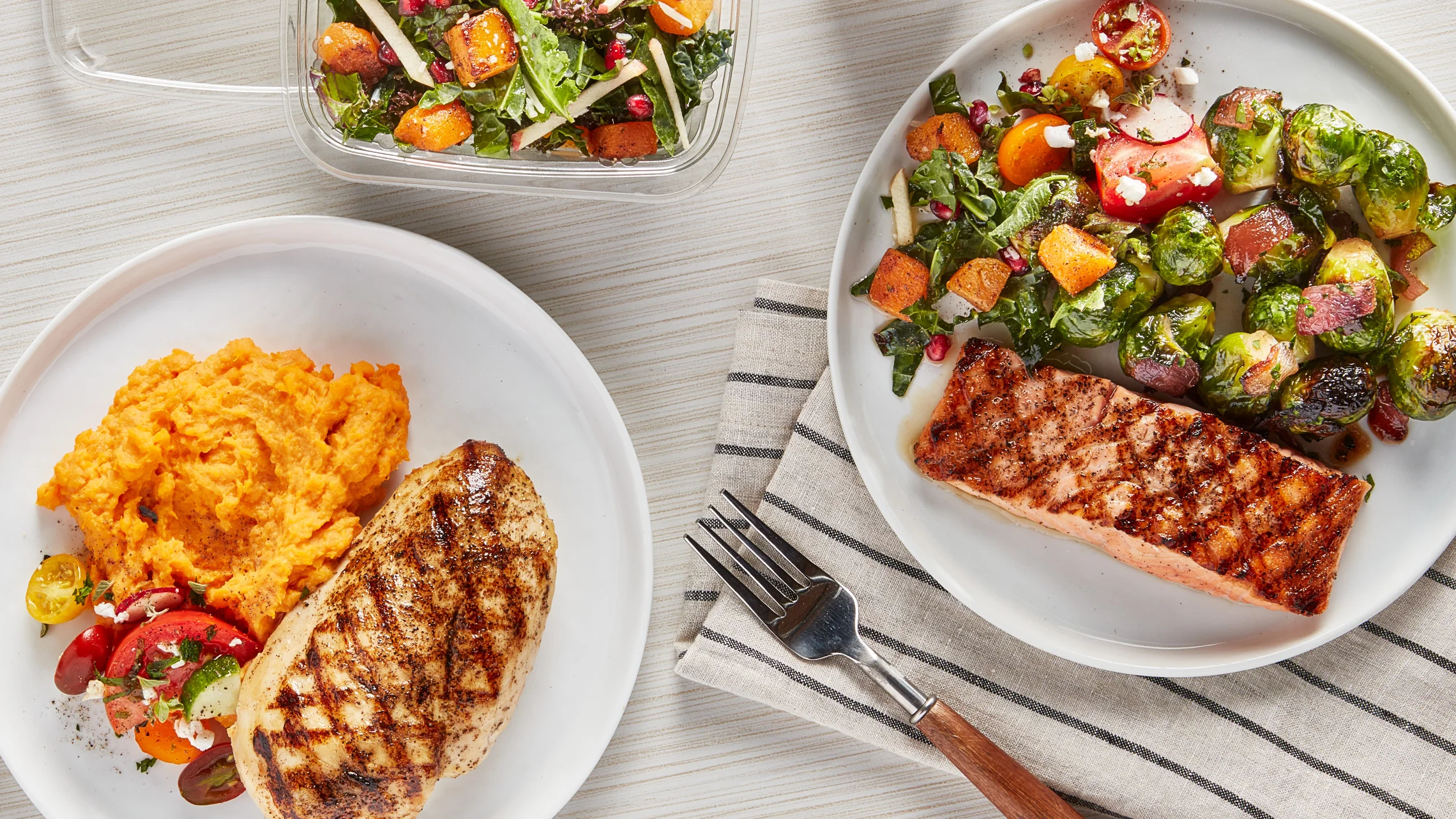
Balanced meal prepping ensures your dinners include a healthy mix of macronutrients—proteins, carbohydrates, and fats—along with essential vitamins and minerals. This approach not only saves time but helps control portion sizes and prevents last-minute unhealthy choices. Preparing meals ahead of time stabilizes blood sugar, supports weight management, and reduces stress during hectic evenings.
Essential Tools and Ingredients for Efficient Meal Prep
Must-Have Kitchen Gadgets for Quick Prepping
Having the right tools speeds up your meal prep significantly. A good quality chef’s knife, cutting board, and food storage containers are foundational. A slow cooker or instant pot can simplify batch cooking, while a large sauté pan or sheet pan enhances versatility. Consider investing in reusable silicone bags or glass containers to store prepped ingredients sustainably.
Building a Pantry of Whole Food Staples
Keep your pantry stocked with versatile whole food ingredients to streamline your meals. Think whole grains like quinoa, brown rice, and oats; canned beans and lentils for protein; nuts and seeds for healthy fats; and a range of dried herbs and spices to add flavor without extra calories. Fresh and frozen vegetables complement these staples and provide variety throughout the week.
Planning Your Balanced Dinners
Understanding Macronutrient Balance with Whole Foods
To create balanced dinners, focus on combining a good source of protein, fiber-rich carbohydrates, and healthy fats. For example, pair grilled chicken with roasted sweet potatoes and a leafy green salad dressed with olive oil. This balance supports sustained energy and fullness. Whole foods naturally contain beneficial nutrients, so aim for colorful plates that cover all macronutrient groups.
Creating a Weekly Meal Plan That Works
Develop a meal plan that fits your schedule and preferences by selecting recipes that share ingredients. This reduces waste and shopping stress. Try to plan three to four different meals per week and repeat favorites. Incorporate batch cooking days and schedule prep time after shopping. A simple plan allows flexibility and keeps meals exciting while staying balanced.
Step-by-Step Guide to Meal Prep for Busy Weeknights
Batch Cooking Proteins, Vegetables, and Grains
Start with cooking proteins in bulk—roasted chicken breasts, baked tofu, or sautéed beans work well. At the same time, roast or steam a variety of vegetables and cook whole grains like brown rice or quinoa. Divide these components into meal-sized portions immediately to save time on assembly later. This method empowers quick mix-and-match dinners that maintain variety.
Proper Storage and Reheating Tips to Maintain Freshness
Store meals in airtight containers and cool them before refrigerating to preserve texture and flavor. Label meals with dates to track freshness, usually consuming within four days. When reheating, add moisture to avoid dryness, such as a splash of broth or a drizzle of olive oil. Using the stove or oven instead of the microwave can sometimes enhance taste and texture.
Sample Meal Prep Menus Featuring Whole Foods
Easy Vegetarian and Vegan Options
For plant-based meals, try chickpea curry with brown rice and steamed broccoli, or quinoa salad with black beans, corn, tomatoes, and avocado. Lentil and vegetable stew or roasted vegetable Buddha bowls with tahini dressing are also simple and nutrient-dense. These meals are quick to prepare and perfectly balanced without animal products.
Quick and Nutritious Meat-Based Recipes
Lean proteins like turkey meatballs paired with roasted sweet potatoes and green beans offer a satisfying option. Grilled salmon with quinoa and steamed asparagus provides omega-3 fats and fiber. Stir-fries with chicken, colorful vegetables, and brown rice are fast to prepare and customizable to your tastes while maintaining a whole foods focus.
Tips for Staying Consistent and Motivated
Time-Saving Hacks for Busy Schedules
Multitask by prepping ingredients during downtime, like chopping vegetables while the oven preheats. Use frozen vegetables to cut prep time and avoid spoilage. Batch cooking on weekends or less busy days builds a meal reserve. Simplify recipes and rotate favorites to reduce decision fatigue and maintain motivation.
Adjusting Meal Prep for Dietary Preferences and Restrictions
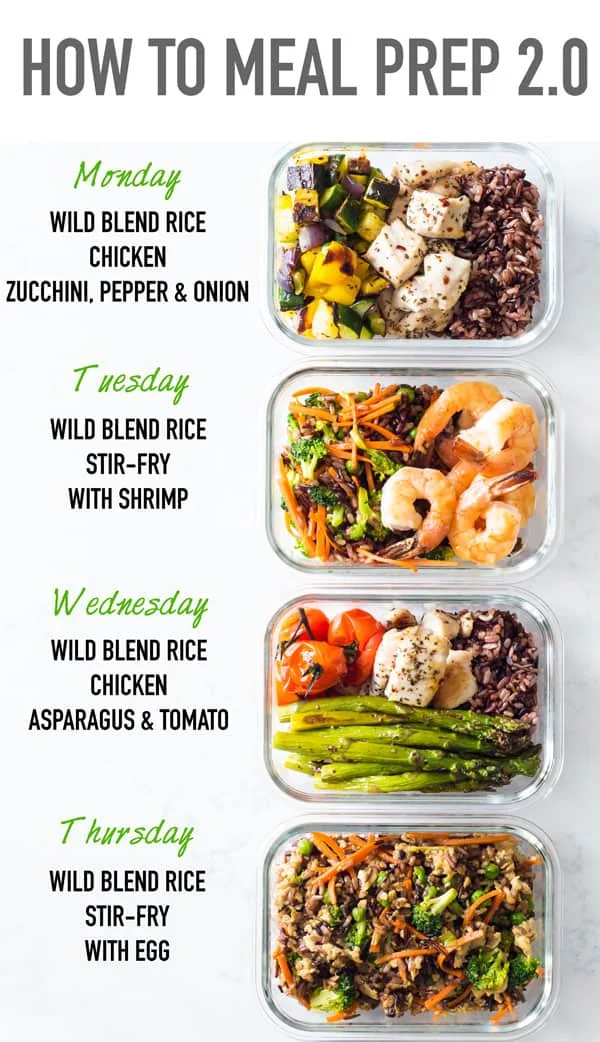
Tailor your meal plans to accommodate allergies, intolerances, or specific diets by swapping ingredients easily. For gluten-free needs, use millet or quinoa instead of wheat-based grains. For low-carb preferences, emphasize more vegetables and protein while minimizing starchy sides. Customize seasonings and cooking methods to keep meals enjoyable and sustainable.
Conclusion: Making Whole Food Meal Prep a Sustainable Habit
Meal prepping balanced dinners with whole foods transforms weeknight cooking from stressful to manageable. Prioritizing nutrient-dense ingredients supports health and energy, while streamlined planning and batch cooking save precious time. By avoiding common pitfalls and staying adaptable, you can develop a long-lasting habit that fuels your busy lifestyle with simplicity and nourishment.