Understanding the Basics of Balanced Vegan Nutrition
Key Nutrients to Focus on for Vegan Dinners
When preparing balanced vegan dinners, it’s crucial to understand which nutrients require special attention. Nutrients like protein, iron, calcium, vitamin B12, and omega-3 fatty acids can sometimes be challenging to obtain solely from plant-based foods. For example, a friend of mine once struggled with fatigue until she began incorporating fortified plant milks and nutritional yeast into her meals, boosting her vitamin B12 intake. Iron is another critical element to include, as plant-based iron isn’t as easily absorbed as animal-based sources. Pairing iron-rich foods such as lentils or spinach with vitamin C-rich ingredients like bell peppers can enhance absorption.
Common Vegan Protein Sources
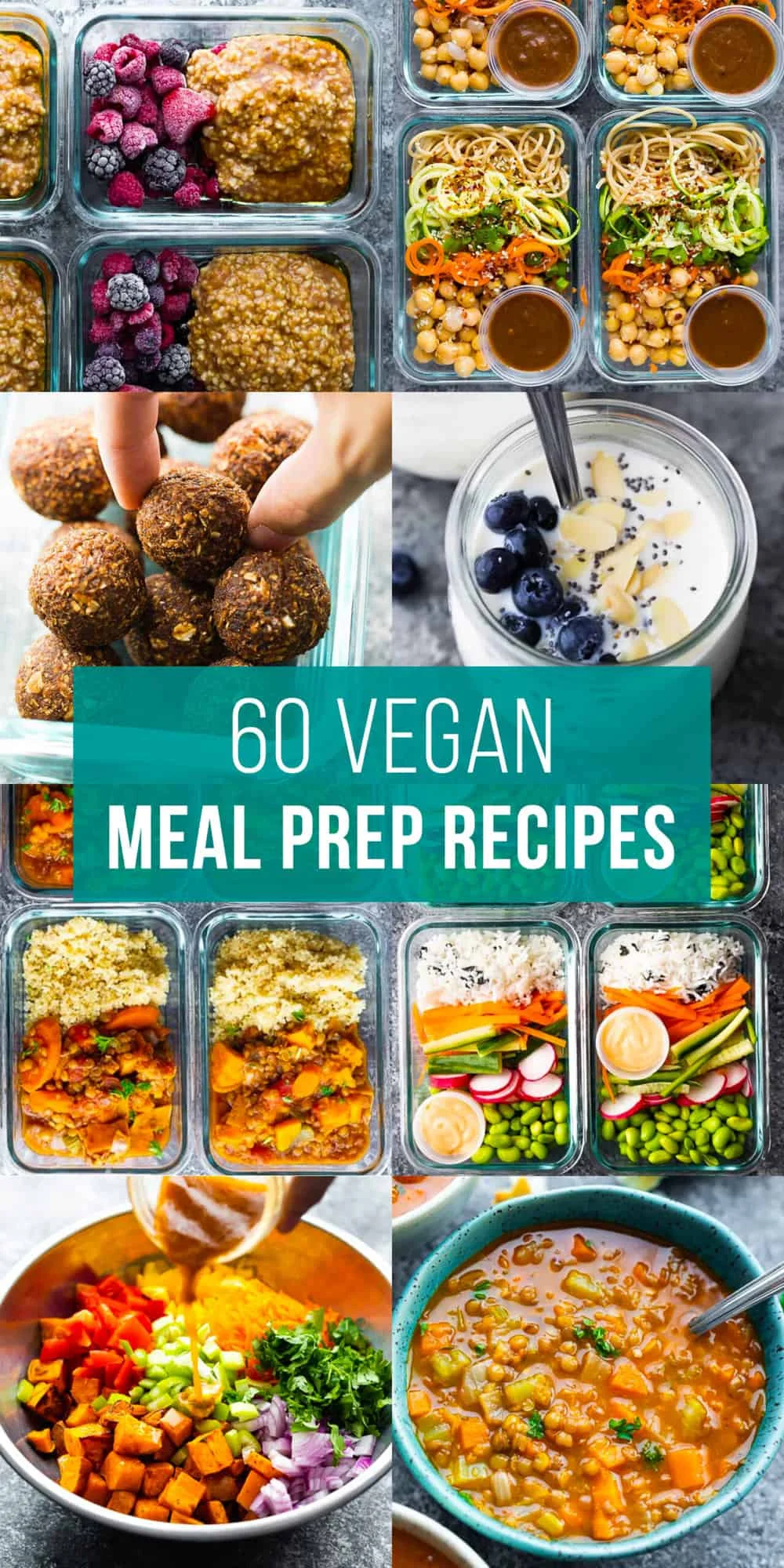
In the hustle of busy weeknights, relying on simple yet nutritious protein sources is a game changer. Chickpeas, tofu, tempeh, and seitan are staples that work well in various cuisines. During a particularly hectic week, I found that roasting a batch of chickpeas and baking tofu ahead of time made it simple to toss meals together. Additionally, quinoa and black beans offer complete proteins without complicated preparation. These ingredients become the foundation of many hearty dinners when combined thoughtfully with vegetables and grains.
Incorporating Healthy Fats and Carbohydrates
Balanced vegan dinners aren’t just about protein; healthy fats and complex carbohydrates complete the nutritional profile. Avocados, nuts, seeds, and olive oil provide essential fats that support brain health and energy. I recall a colleague who regularly added a handful of walnuts or chia seeds to her dinner bowls, which kept her feeling satiated through late-night meetings. Complex carbs like sweet potatoes, brown rice, and whole-grain pasta offer sustained energy, perfect for those demanding evenings. Avoiding overly processed carbs ensures the meal stays nutrient-dense and filling.
Planning Your Weeknight Vegan Meal Prep
Choosing Recipes that Reheat Well
One of the keys to successful meal prep is selecting recipes that maintain their texture and flavor after reheating. I learned this the hard way when a stir-fry with delicate greens turned soggy the next day. Instead, dishes like chili, curries, and grain bowls tend to reheat beautifully without losing appeal. A baked vegetable casserole or a lentil stew can also be prepped ahead and easily warmed up in minutes, making weeknight dinners stress-free.
Batch Cooking Tips for Efficiency
Batch cooking saves precious time but requires smart organization. For instance, dedicating Sunday afternoon to cook large portions of grains, roast vegetables, and prepare protein bases reduces daily cooking efforts. Using sheet pans and slow cookers can maximize efficiency, allowing multiple components to cook simultaneously. I recommend labeling containers with preparation dates and meal contents to avoid confusion midweek—and trust me, this small step prevents the “what’s for dinner?” scramble on tired evenings.
Creating a Grocery List for Balanced Nutrition
Crafting a comprehensive grocery list is essential to avoid last-minute runs and ensure all nutritional bases are covered. I suggest grouping items by category: fresh produce, grains, legumes, nuts/seeds, and pantry essentials. Including versatile items like frozen vegetables or canned beans offers flexibility when plans change unexpectedly. Planning your meals around what’s fresh and in season not only boosts flavor but also aligns with budget-friendly and sustainable shopping habits.
Step-by-Step Guide to Meal Prepping Vegan Dinners
Prepping Ingredients: Wash, Chop, and Portion
Starting with clean and organized ingredients sets the tone for smooth meal prep. For busy individuals, washing and chopping vegetables in advance can shave off precious minutes during the week. I advise portioning out pre-washed salad greens or cutting bell peppers into strips, storing them separately for easy access. Additionally, measuring grains or soaking beans the night before optimizes cooking time and reduces midweek stress.
Cooking Techniques for Optimal Flavor and Nutrition
Cooking methods like roasting, steaming, and sautéing preserve nutrients while enhancing taste. Roasting vegetables caramelizes their natural sugars, adding delightful depth to your meals. For proteins such as tofu or tempeh, marinating before cooking brings out more complex flavors, turning simple ingredients into satisfying dishes. Combining different textures—like crunchy roasted chickpeas with creamy mashed sweet potatoes—creates a more enjoyable and balanced eating experience.
Storing and Reheating Safely
Proper storage extends the shelf life and safety of your prepped meals. Use airtight containers to maintain freshness and avoid contamination. I recommend cooling hot food completely before sealing to prevent bacterial growth. When reheating, ensure meals reach an internal temperature of 165°F (74°C) for safety. Avoid reheating multiple times as it can degrade both taste and nutritional quality. With these precautions, your meal prep remains reliable throughout your busy week.
Sample Balanced Vegan Dinner Meal Prep Menus
Low-Calorie Options
For those mindful of calorie intake without compromising nutrition, dishes like zucchini noodles topped with avocado pesto or stuffed bell peppers with quinoa and black beans shine. Recently, a friend shared her routine of roasting a mix of cauliflower, Brussels sprouts, and sweet potatoes paired with a light tahini dressing, allowing her to enjoy satisfying meals under 400 calories that kept her energized into the evening.
Protein-Packed Dinners
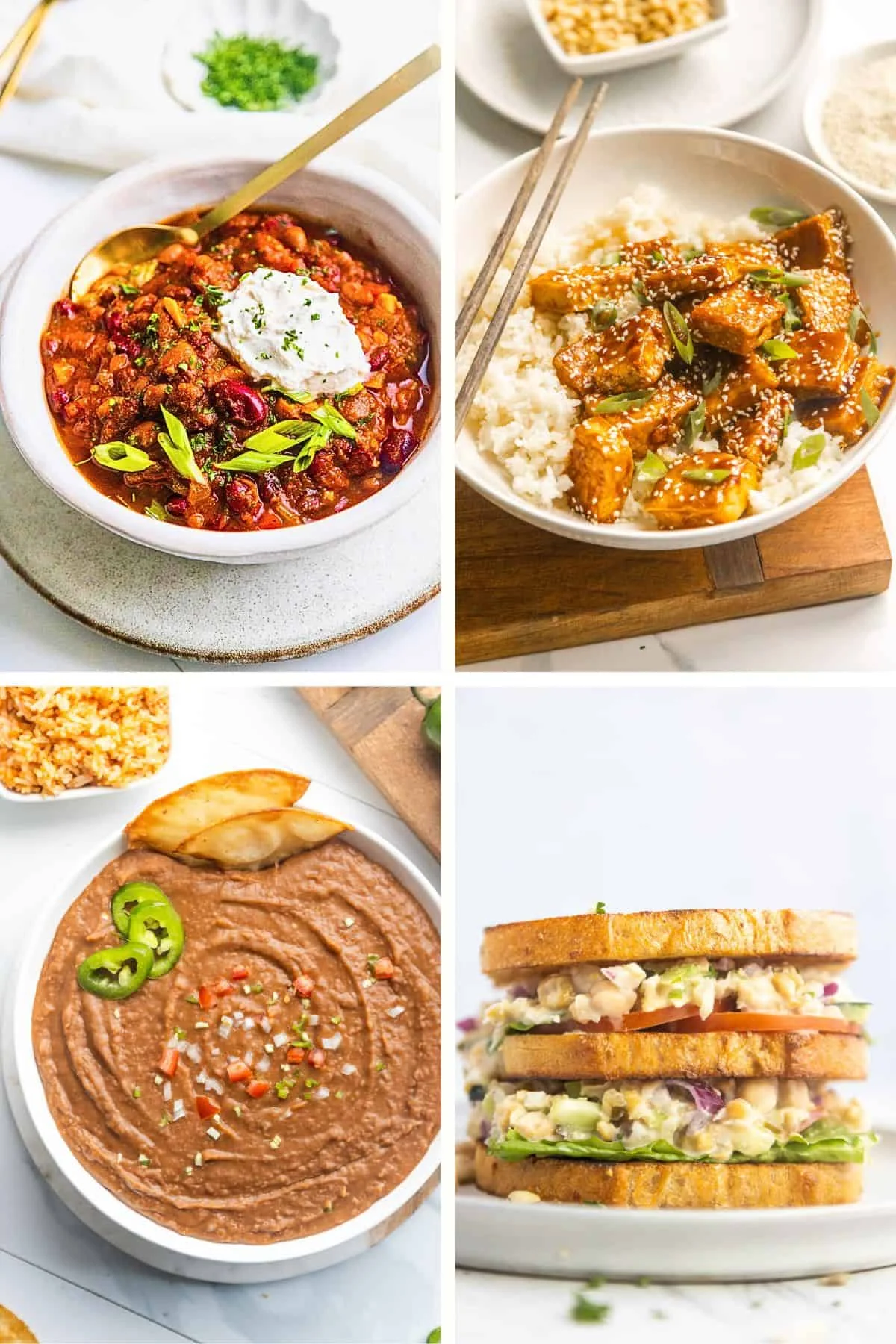
Busy athletes or those wanting to build muscle often seek protein-dense dinners. A great example I’ve encountered is a stir-fry combining tempeh, edamame, and broccoli with brown rice. Another favorite is a vegan chili loaded with kidney beans, lentils, and textured vegetable protein, offering hearty flavors and substantial protein. Such meals fuel recovery and maintain fullness much longer.
Quick and Easy Meals Under 30 Minutes
Sometimes, time constraints demand meals that come together swiftly yet remain balanced. A simple chickpea curry simmered with coconut milk and spinach served alongside quick-cooking quinoa is a lifesaver after a long day. Stirred falafel salad bowls with pre-cooked falafel, chopped cucumbers, tomatoes, and tahini dressing also meet the criteria. Having a few quick go-to recipes reduces decision fatigue and supports dietary goals effortlessly.
Additional Tips for Maintaining Variety and Flavor
Using Spices and Herbs to Elevate Your Meals
Adding a vibrant mix of spices and herbs transforms basic ingredients into exciting meals, preventing boredom. I often remind clients to experiment with cumin, smoked paprika, fresh basil, and cilantro to suit different cuisines. One friend’s revelation came with a dash of cinnamon in her lentil stew, adding unexpected warmth. Fresh herbs sprinkled just before serving introduce brightness and layers of flavor that keep weeknight dinners intriguing.
Rotating Ingredients to Avoid Meal Fatigue
Even the most balanced meal prep can feel monotonous if the same ingredients repeat endlessly. Rotating staples such as switching between lentils, chickpeas, and black beans or alternating grains like farro and millet keeps meals fresh. During a month when I rotated through various roasted root vegetables, my meals felt more like creative projects than chores. This intentional variety ensures that meal prepping remains enjoyable rather than a repetitive task.
Incorporating Seasonal Produce
Using seasonal produce not only enhances taste but also supports local farmers and reduces food costs. For example, summer squash and tomatoes add lightness during warmer months, while winter squash and hearty greens bring comfort in colder seasons. I encourage planning meals around what’s abundant at your local market. This approach ties your meals to natural rhythms and encourages trying new recipes aligned with the season’s bounty.