Understanding Whole30 and Its Dinner Requirements
What Is the Whole30 Diet?
The Whole30 diet is more than just a meal plan; it’s a 30-day nutritional reset designed to eliminate certain food groups that may cause inflammation or digestive issues. Typically, it involves cutting out sugar, grains, dairy, legumes, and processed foods. The goal is to help your body heal and to identify foods that might negatively impact your health. For busy professionals trying to maintain a healthy lifestyle, Whole30 offers a clear, structured approach to eating clean and mindfully.
Key Ingredients to Avoid and Include
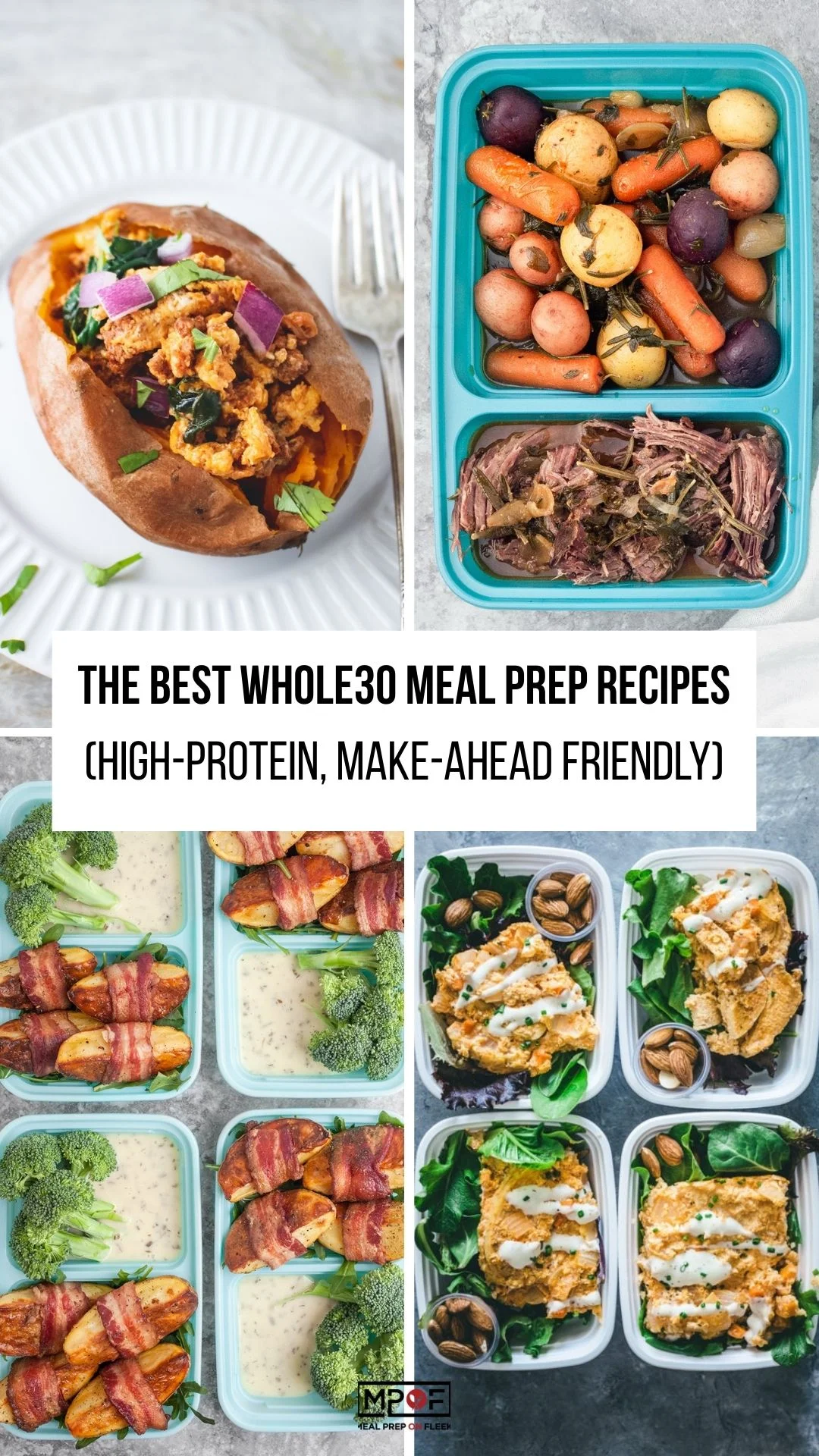
When prepping Whole30 dinners, it’s crucial to avoid ingredients such as added sugars, alcohol, soy, gluten, dairy, and legumes. Instead, meals should focus on whole, unprocessed foods—like fresh vegetables, high-quality proteins, and healthy fats. This means plenty of leafy greens, root vegetables, grass-fed meats, wild-caught fish, eggs, nuts, and natural oils like olive or avocado. Sticking to these ingredients ensures your dinners are compliant and nourishing.
Planning Your Whole30-Compliant Dinner Menu
Choosing Versatile Proteins
Protein is the cornerstone of your Whole30 dinners. It not only keeps you full but also supports muscle repair and energy levels throughout your busy days. Opt for proteins that can be cooked in bulk and used in various dishes. Chicken thighs, ground turkey, canned salmon, and eggs are practical choices. These options adapt well to different flavor profiles and can be prepared ahead without losing quality.
Incorporating Whole Foods and Vegetables
Vegetables are where variety and nutrients come into play. The more colorful your plate, the more vitamins and minerals you’re likely consuming. Roasting a mix of carrots, Brussels sprouts, and sweet potatoes on Sunday can provide ready-made sides for the week. Adding leafy greens as salads or sautéed sides introduces freshness and fiber. And don’t hesitate to include starchy vegetables like butternut squash or parsnips for added energy.
Balancing Flavors and Nutrients
Whole30 dinners don’t have to be bland. Balancing savory, sweet, and tangy elements can make meals exciting and satisfying. Using fresh herbs, garlic, lemon juice, and Whole30-approved spices can elevate simple dishes. Including a healthy fat, like a drizzle of olive oil or some avocado slices, not only enhances flavor but also aids nutrient absorption. This thoughtful approach makes it easier to stick to the program without feeling deprived.
Efficient Meal Prep Strategies for Busy Professionals
Batch Cooking Techniques
Batch cooking is a game changer for anyone juggling work and nutrition goals. Dedicate time on the weekend to prepare large portions of proteins and vegetables that can be mixed and matched during the week. Roasting a whole tray of seasoned chicken and a big pan of mixed veggies allows you to quickly assemble dinners or pack lunches. Freezing individual portions also provides options for days when time is tight.
Time-Saving Tools and Equipment
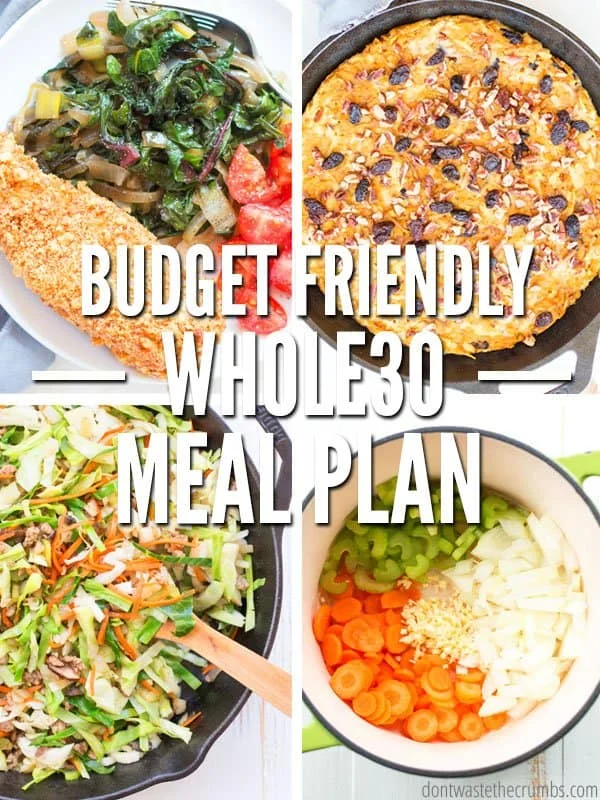
Investing in the right kitchen tools can shave minutes off your prep time. Instant Pots and slow cookers enable hands-off cooking, freeing you up to do other things while meals gently cook. Quality knives speed up chopping, and food processors can quickly spiralize vegetables or mince garlic. Having a set of reliable storage containers ensures your meals stay fresh and tidy in the fridge.
Organizing Your Kitchen for Success
A well-organized kitchen minimizes stress and maximizes efficiency. Arrange your pantry with Whole30 staples in clear, accessible containers to avoid decision fatigue. Keep frequently used tools and cutting boards within easy reach. Labeling pre-prepped ingredients or meals helps you grab what you need without second-guessing. Small systems like these build momentum and make sticking to Whole30 easier amid a busy schedule.
Sample Whole30 Dinner Prep Schedule for the Week
Sunday Prep Tasks
The cornerstone of your week’s success lies in Sunday’s prep session. Start by deciding your dinners for the week to avoid last-minute confusion. Then, roast or grill your proteins and vegetables in large batches. Wash and chop salad greens to keep them fresh and ready to eat. Prepare any sauces or dressings with Whole30-compliant ingredients. By the end of the day, storing individual portions in airtight containers will give you quick access throughout the week.
Midweek Touch-Ups and Reheating Tips
Midweek can be a challenge, especially when you feel like foods are getting repetitive. To keep things interesting, add fresh herbs, a squeeze of lemon, or a different spice blend to your reheated meals. Avoid overcooking during reheating to maintain texture and flavor; brief warming in a pan or microwave is best. If prepped properly, your whole foods will hold up well, keeping your dinners enjoyable and compliant.
Creative Whole30 Dinner Recipes to Try
One-Pan Sheet Meal Ideas
One-pan sheet meals are perfect for busy weeknights. Toss your favorite protein, like salmon or chicken, with a medley of vegetables and Whole30-approved seasonings. Roast everything together on a baking sheet for about 20-30 minutes. The simplicity and minimal cleanup make it a favorite strategy. Plus, you can easily customize flavors—think lemon herb chicken with asparagus or spiced cod with cauliflower and broccoli.
Slow Cooker and Instant Pot Recipes
Slow cookers and Instant Pots are a blessing for anyone pressed for time. Whole30-friendly stews, curries, and shredded meat dishes come together with minimal fuss. For example, a slow cooker beef stew packed with carrots, celery, and cauliflower can be made overnight and portioned out for several dinners. Instant Pots speed up the process even more, making it possible to prepare hot, satisfying meals after a long workday without compromising your diet.
Maintaining Compliance and Variety in Your Meals
Tracking Ingredients to Stay Whole30-Compliant
One of the biggest challenges is inadvertently using non-compliant ingredients. Reading labels carefully is essential. Many sauces or spice blends contain hidden sugars or preservatives. Keep a running list of your go-to compliant brands and ingredients to streamline shopping and meal prep. Tracking apps or a simple journal can help you stay accountable and aware of what’s going into your meals.
How to Handle Cravings and Avoid Pitfalls
Cravings are natural, especially when changing long-standing eating habits. Instead of reaching for banned foods, try whole foods that satisfy the same desire. For example, if you crave something sweet, fresh fruit or a cinnamon-spiced baked apple can do the trick. If stress drives cravings, practicing mindful eating and staying well-hydrated can help. Above all, don’t be too hard on yourself—almost everyone faces setbacks, but returning to your plan with renewed focus is key.