Introduction to Preserving Family Recipes in Modern Times
In our fast-paced digital world, traditional family recipes risk being forgotten as lifestyles shift and new cooking trends emerge. However, preserving these cherished recipes remains essential for maintaining cultural identity and family history. This article explores practical ways to safeguard family culinary traditions using modern technology while honoring their original spirit.
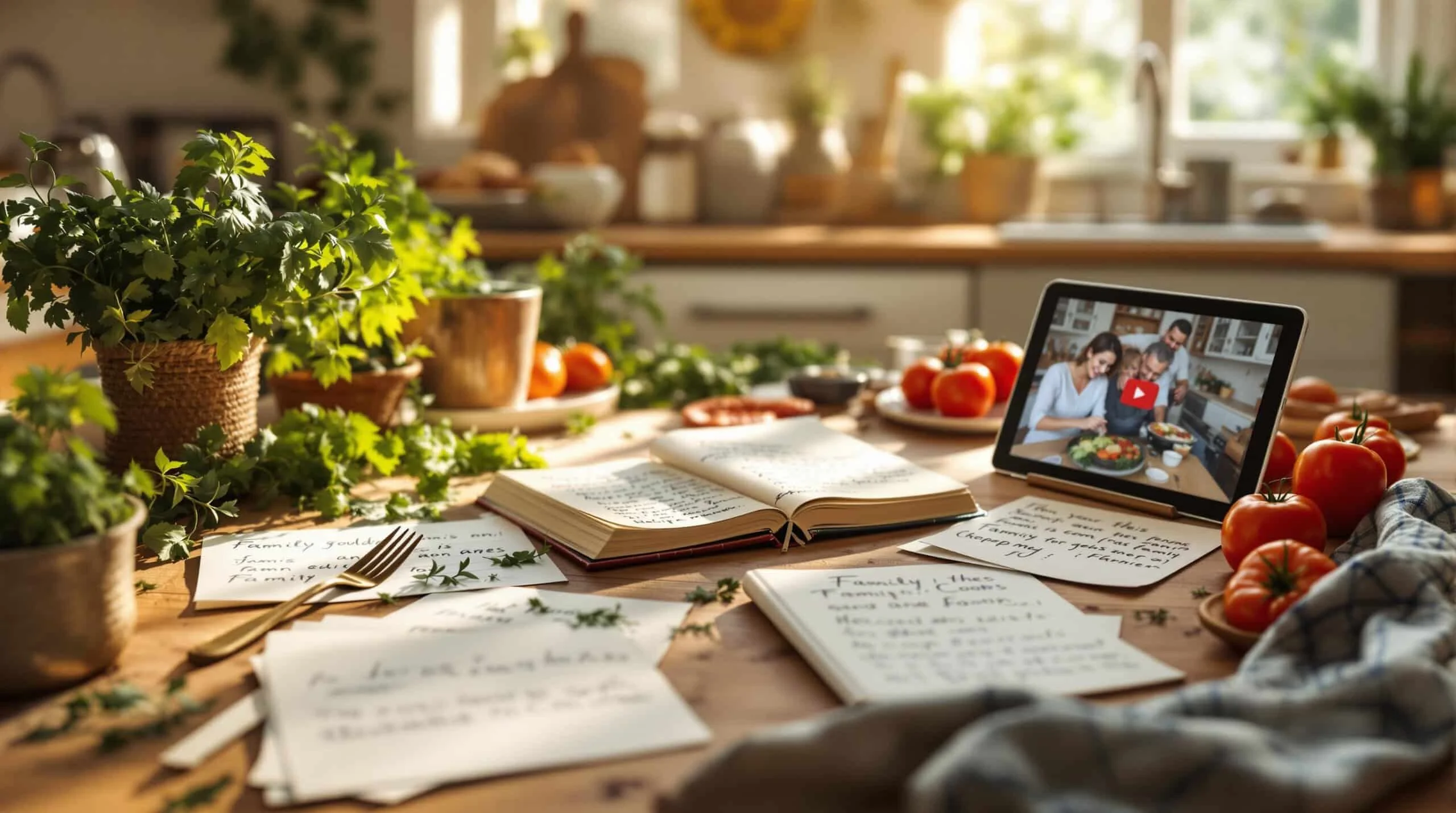
The Cultural Importance of Traditional Family Recipes
Linking Recipes to Family Heritage
Traditional family recipes serve as a tangible connection to ancestors and their way of life. They carry the scents, flavors, and cooking methods passed down through generations, embodying the unique heritage of each family. By preserving these recipes, families can keep alive memories and values that might otherwise fade with time.
Emotional Value and Storytelling through Food
Beyond nourishment, family recipes often come with stories—tales of celebrations, hardships, or particular moments that shaped the family’s identity. Sharing these recipes is a way to tell stories, evoke emotions, and pass on a sense of belonging to younger generations. The emotional resonance embedded in food strengthens family bonds and enriches collective memory.
Challenges of Keeping Recipes Traditional in a Digital Era
Changing Lifestyles and Cooking Habits
Modern life tends to prioritize convenience and speed, pushing many to rely on pre-packaged meals or trending food apps rather than time-intensive traditional cooking. This shift can diminish the frequency with which family recipes are practiced and passed on, causing a gradual loss of culinary heritage.
Digital Distractions and Loss of Oral Traditions
With the rise of smartphones and social media, traditional oral transmission of recipes—often shared through storytelling and hands-on teaching—faces competition from quick digital content. As a result, vital context and nuances embedded in recipes may be overlooked or lost when recipes are reduced to mere ingredient lists online.
Digital Tools and Techniques for Recipe Preservation
Using Digital Platforms to Record and Share Recipes
Embracing digital tools can help overcome some preservation challenges. Using note-taking apps, cloud storage, or dedicated recipe-sharing platforms allows families to document recipes accurately and access them anytime. Digital records also offer space for including detailed preparation instructions, ingredient substitutions, and personal anecdotes alongside recipes.
Creating Family Recipe Blogs and Online Cookbooks
Setting up a family blog or an online cookbook can turn recipe preservation into a creative, collaborative project. These formats encourage family members to contribute their culinary knowledge and memories while making the collection easily shareable. A centralized digital cookbook can evolve over time, reflecting both tradition and innovation.
Creative Ways to Digitally Archive Family Recipes
Video Tutorials and Cooking Demonstrations
Recording video tutorials is a powerful method to capture not just the steps but also techniques, gestures, and tips that embody traditional cooking practices. These visual records can reach younger, tech-savvy family members more effectively than written recipes alone, helping to keep the learning process engaging and immersive.
Interactive and Multimedia Family Recipe Albums
Combining photos, audio recordings of family members sharing stories, and even scanned handwritten recipe cards in multimedia albums creates a rich, interactive experience. Such projects allow users to explore recipes alongside family history, maintaining the emotional and cultural depth inherent in traditional cooking.
Balancing Tradition with Modern Adaptations
Keeping Authentic Flavors While Embracing Technology
While it’s important to stay true to original flavors and techniques, integrating modern appliances and digital tools can make traditional cooking more accessible. Finding a balance between authenticity and convenience ensures that recipes remain relevant and enjoyable without losing their essence.
Adapting Recipes for Contemporary Ingredients
Some traditional ingredients may be difficult to find today, or modern dietary preferences might call for adjustments. Thoughtful adaptation, such as substituting ingredients while preserving flavor profiles, helps keep recipes alive and adaptable to current times without erasing their cultural significance.
Engaging Younger Generations in Recipe Preservation
Incorporating Technology in Cooking Education
Introducing children and teens to family recipes through apps, virtual cooking classes, and interactive online platforms leverages their affinity for technology. This approach makes learning enjoyable and encourages active participation in preserving culinary heritage.
Family Cooking Events and Virtual Gatherings
Organizing regular family cooking events, whether in person or through virtual meetings, fosters communal bonding and hands-on recipe sharing. These gatherings provide opportunities to demonstrate techniques, share stories, and collectively celebrate tradition while adapting to modern connectivity options.
Conclusion: Sustaining Legacy in a Digital World
Preserving traditional family recipes in a digital age requires intentional effort to bridge past and present. By combining respect for heritage with the thoughtful use of technology, families can keep their culinary stories alive and meaningful. Embracing creative recording methods, engaging younger members, and balancing authenticity with adaptability ensures these treasured recipes continue to nourish both body and soul across generations.