Understanding Sauce Separation: Causes and Common Types
What is Sauce Separation?
Sauce separation occurs when the components of a sauce, such as oil, water, and solids, fail to combine into a smooth, unified texture. Instead, they split into distinct layers or clumps, leading to an unappetizing appearance and inconsistent flavor delivery. This problem can turn a carefully crafted sauce into a culinary disappointment and is a frequent challenge for home cooks.
Popular Sauces Prone to Separation
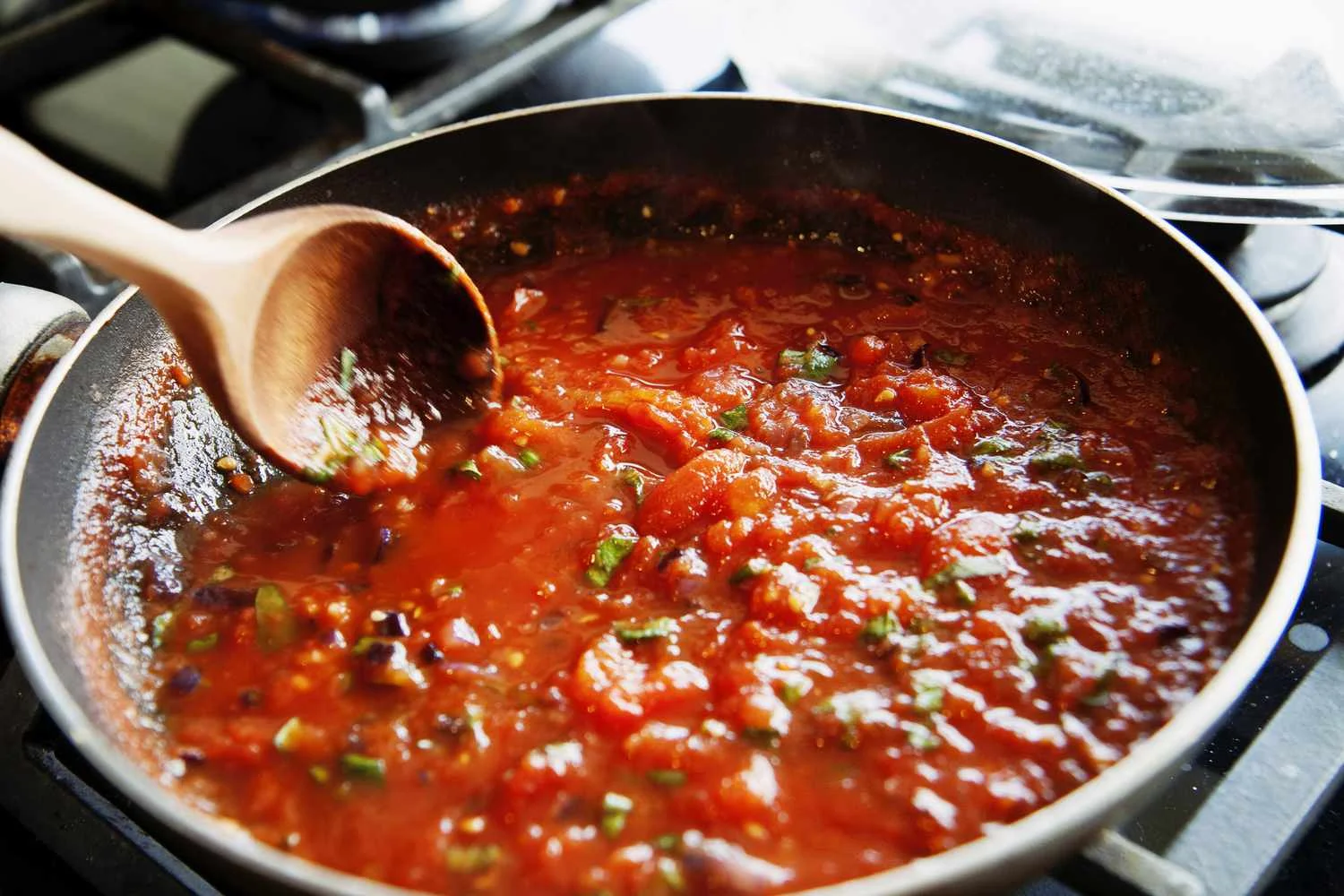
Certain sauces are more susceptible to separation due to their ingredients and preparation methods. Emulsified sauces like hollandaise, mayonnaise, and vinaigrettes often separate due to the delicate balance of fat and water-based components. Dairy-based sauces such as cheese sauces or cream-based gravies can break as fats and proteins separate. Even tomato-based sauces may separate when oil pools on top or when thickened incorrectly. Understanding which sauces are vulnerable helps in anticipating and preventing separation issues.
Key Reasons Behind Separation Issues
The root causes of sauce separation primarily relate to instability in combining fat and liquid ingredients. One major factor is temperature fluctuations; overheating proteins or fats can cause them to break down and separate. Another is inadequate emulsification, where the sauce lacks sufficient mixing or emulsifying agents to keep its components stable. Additionally, adding ingredients too quickly or in the wrong sequence disrupts the sauce’s consistency. Finally, using incompatible ingredients or omitting natural stabilizers can undermine the sauce’s texture.
Preventive Techniques for Stable Sauces
Choosing the Right Ingredients
Preventing sauce separation begins with selecting ingredients that promote stability. Fresh, high-quality fats like clarified butter or proper oils provide a stronger base for emulsions. Incorporating natural emulsifiers such as egg yolks, mustard, or lecithin helps maintain cohesion between water and fat. It is also vital to use fresh dairy products and avoid those with additives that might destabilize your sauce. By understanding how each ingredient interacts, you can make informed choices that minimize the chance of separation.
Proper Temperature Control During Cooking
Temperature plays a crucial role in sauce stability. Overheating causes proteins in dairy or eggs to curdle and fats to separate, while insufficient heat may prevent proper blending. For sauces prone to breaking, cooking over gentle, consistent heat is essential. Techniques such as slow whisking over a double boiler or removing the sauce promptly from heat once thickened help maintain integrity. Using a thermometer can guide you to avoid going beyond critical temperature thresholds for sensitive ingredients.
Utilizing Emulsifiers and Thickeners Effectively
Integrating the right emulsifiers and thickeners can dramatically reduce the risk of separation. Emulsifiers bind water and oil molecules, stabilizing the mixture, while thickeners increase viscosity, preventing ingredients from settling. Common natural thickeners include flour, cornstarch, and arrowroot. When used correctly, these agents help sauces maintain a creamy, consistent texture throughout cooking and serving. The key is adding them gradually and blending thoroughly to create a homogenous mixture.
Step-by-Step Methods to Fix Separated Sauces
Rescuing Sauces with Water or Stock

If a sauce starts to separate, a straightforward fix is to incorporate a small amount of warm water or stock. This addition helps loosen the sauce and reintroduce liquidity, allowing the fats and solids to recombine. Begin by gently whisking in the liquid a teaspoon at a time over low heat, being careful not to add too much at once. This method is especially effective for sauces thickened with roux or cream that have become too dense and begun to separate.
Re-emulsifying with Whisking or Blending
Whisking vigorously or using a blender can often restore a separated sauce by breaking down fat globules and redistributing them evenly throughout the liquid. For emulsified sauces like hollandaise, immersing the bowl in warm water while whisking quickly can encourage re-emulsification. Using an immersion blender provides even greater control over texture and speed. Avoid using high heat during this fix, as it may worsen separation.
Adding Stabilizing Agents Post-Separation
In cases where simple whisking fails, introducing stabilizers after separation may save the sauce. Small amounts of Dijon mustard, honey, or lecithin can act as emulsifiers to pull the mixture back together. Similarly, incorporating a touch of cream or a cornstarch slurry heated gently can add viscosity to hold ingredients in sync. These remedies require careful addition and gentle heat to avoid further breakdown.
Expert Tips for Long-Lasting Sauce Consistency
Storage Practices to Avoid Separation
Proper storage significantly influences whether a sauce maintains its texture over time. Cooling sauces rapidly and storing them in airtight containers prevents spoilage and minimizes the physical stresses that cause separation. Avoid freezing emulsified sauces unless they are specifically designed for it, as ice crystals disrupt structure. When refrigeration is necessary, stirring the sauce gently before reheating can help redistribute any settling components.
Reheating Without Compromising Texture
Reheating sauces poses a risk of separation, especially if done too quickly or at high temperatures. The safest approach is to warm sauces over low heat, stirring constantly to maintain emulsification and prevent scorching. Using a double boiler or a microwave at short intervals with stirring in between preserves consistency. Avoid boiling the sauce, as this can break down emulsifiers and cause fats to separate.
Common Mistakes to Avoid When Making Sauces
Overheating and its Effects
One of the most frequent errors leading to sauce separation is overheating. High heat can cause dairy fats to curdle and proteins to tighten, expelling water and breaking the sauce. Overcooking emulsions damages the delicate balance of oil and water. Awareness of safe temperature ranges and gentle cooking methods is critical. Avoid leaving sauces unattended on the stove and remove them from heat as soon as the desired consistency is reached.
Skipping Gradual Ingredient Incorporation
Rushing the addition of ingredients, especially fats into liquids or vice versa, disrupts the formation of stable emulsions. Adding oil too quickly into a vinaigrette or failing to temper eggs before incorporating them into hot liquids causes immediate separation. The best practice is slow, steady mixing to allow the components to combine evenly. Patience during this stage often prevents issues that are much harder to fix later.