Introduction to Silicone Baking Mats
What Are Silicone Baking Mats?
Silicone baking mats are reusable, non-stick sheets made from food-grade silicone and fiberglass mesh. They are designed to line baking trays and sheets, creating a smooth, even surface that prevents food from sticking during cooking or baking. These mats can endure high oven temperatures and provide consistent heat distribution, making them a popular choice for both home cooks and professional bakers.
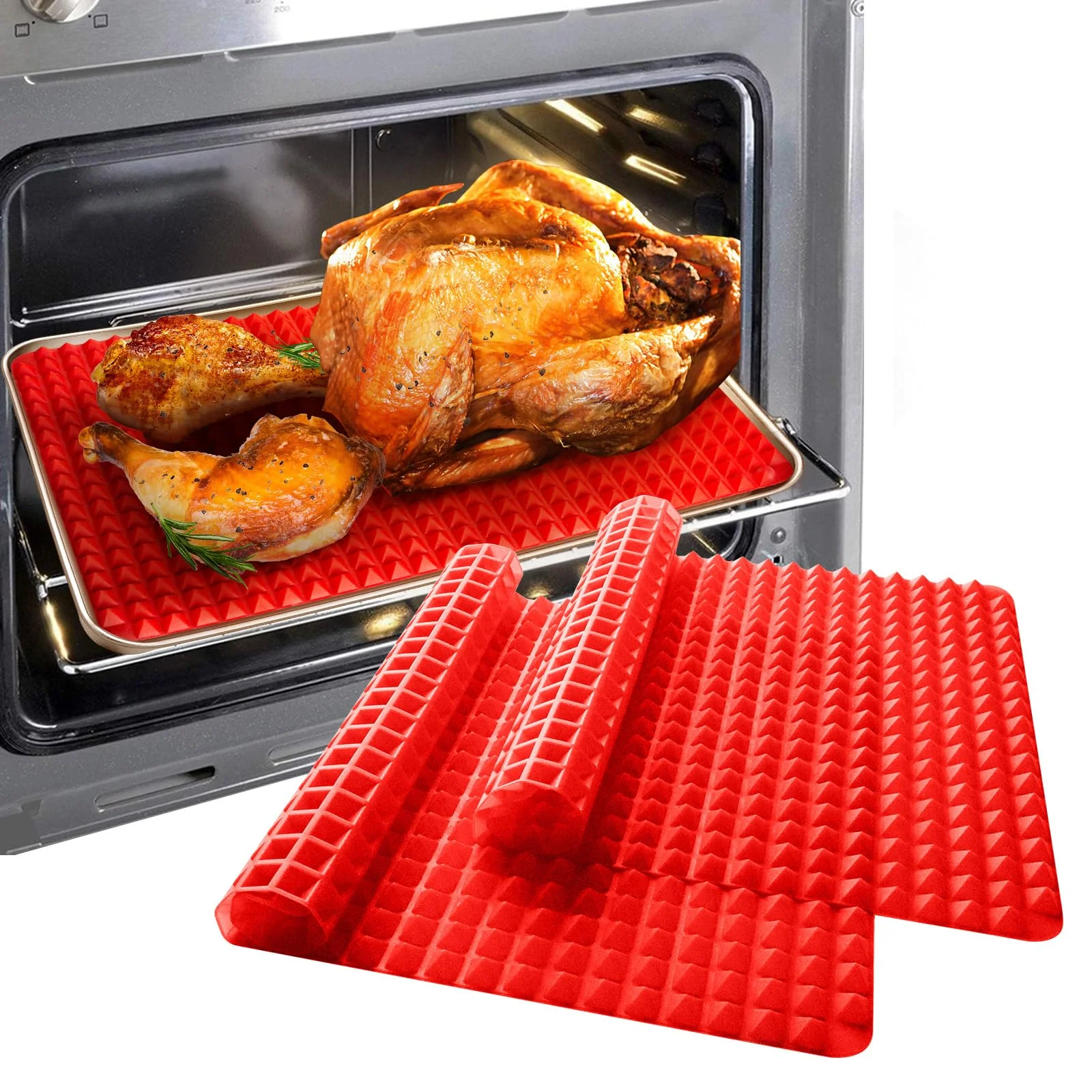
Benefits Over Traditional Parchment Paper and Greasing Methods
Unlike parchment paper, silicone mats are reusable, reducing waste and ongoing costs. They eliminate the need for greasing pans or using cooking sprays, which can add unnecessary fats to recipes. Additionally, silicone mats offer superior heat resistance and durability, staying intact through multiple baking cycles without tearing or burning, unlike parchment paper which can burn or become brittle.
Understanding Food Sticking Issues
Common Reasons Food Sticks in the Oven
Food sticking occurs for several reasons: the baking surface may be rough, inadequate greasing can cause adhesion, and uneven heat can lead to inconsistent cooking. Some foods with high sugar or protein content, like cookies or roasted vegetables, tend to bond tightly to surfaces. This problem can be frustrating and can ruin the appearance and texture of baked goods.
How Silicone Mats Address These Problems
Silicone mats create an ultra-smooth, non-stick surface that dramatically reduces adhesion. Their even heat distribution also helps prevent hotspots that cause uneven cooking and sticking in certain areas. By eliminating the need for oils or sprays, they also reduce the risk of excess residue that can promote sticking or burning, making food removal much easier.
Step-by-Step Guide to Using Silicone Baking Mats
Preparation Before First Use
Before using a silicone baking mat for the first time, it’s important to wash it with warm soapy water to remove any manufacturing residues. After rinsing and drying, avoid cutting or piercing the mat to maintain its integrity and non-stick capabilities. Some mats benefit from a light initial seasoning with oil, but this depends on the manufacturer’s recommendations.
Correct Placement and Oven Temperature Tips
Place the silicone mat flat on your baking tray without folding or overlapping. Avoid using sharp utensils that could damage the surface. Most silicone mats are oven-safe up to 480°F (250°C), but always check the label. Using appropriate temperatures avoids damaging the mat and prevents food from burning onto the surface.
Cleaning and Maintenance for Longevity
After use, allow the mat to cool before washing. Hand wash with mild detergent and a soft sponge to avoid scratches. For stubborn residues, soak in warm water before cleaning. Avoid abrasive scrubbers and dishwasher detergents that can degrade the silicone over time. Proper care extends the mat’s life and maintains its non-stick performance.
Additional Tips for Avoiding Sticking
Using Silicone Mats with Different Types of Foods
Silicone mats are versatile enough for baking cookies, roasting vegetables, or even cooking delicate fish. For sticky or sugary recipes, the mat ensures easy release without additional fats. However, avoid placing foods that require direct contact with flames, such as broiling, since mats are designed for oven use only.
Combining Silicone Mats with Other Non-Stick Techniques
While silicone mats often eliminate the need for extra oils, lightly brushing oily ingredients can enhance browning and flavor in some cases. Using parchment paper over a silicone mat is unnecessary and can reduce heat efficiency. For extra precaution, some bakers sprinkle a little flour on the mat when baking bread to prevent sticking, though this is rarely needed.
Comparing Silicone Baking Mats to Other Non-Stick Solutions
Silicone Mats vs. Aluminum Foil
Aluminum foil is commonly used but tends to stick with some foods, especially sugary or sticky ingredients. Unlike silicone mats, foil is not reusable and often requires greasing. Silicone mats provide consistent non-stick surfaces without tearing, making them more economical and environmentally friendly over time.
Silicone Mats vs. Cooking Spray and Oils
Cooking sprays and oils can create uneven layers that lead to burning or sticky patches. They also add calories and sometimes alter flavor. Silicone mats avoid these issues, making them ideal for health-conscious cooking and ensuring uniform food release without added fats.
Conclusion: Enhancing Your Baking Experience
Silicone baking mats are an efficient solution to common sticking problems. They simplify cleanup, reduce waste, and improve cooking results by providing an evenly heated, non-stick surface. By following proper use and care guidelines, these mats can transform your oven experience, saving time and effort while preserving the quality of your baked goods.