Understanding the Science Behind Meat Sticking to the Pan
The Role of Protein and Muscle Fibers
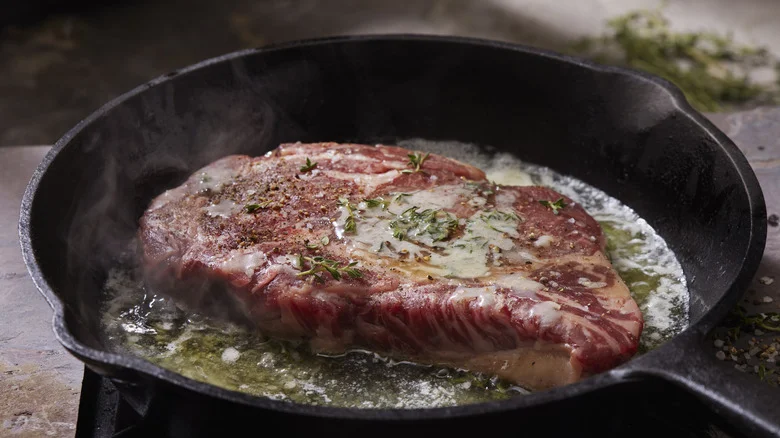
When searing a steak, the primary reason meat sticks to the pan lies in the behavior of proteins and muscle fibers. As heat is applied, proteins denature and muscle fibers contract. This contraction can cause the meat to adhere to the cooking surface, especially if the meat’s exterior has moisture or if the pan’s surface texture encourages bonding. Understanding this helps in taking targeted steps to prevent sticking by controlling these variables.
Effect of Heat and Pan Surface
Heat plays a crucial role in whether meat sticks or releases smoothly. At the beginning of cooking, a pan that isn’t properly heated can cause proteins to bond to its surface more aggressively, leading to sticking. Additionally, the type and condition of the pan surface—whether it is smooth, rough, seasoned, or worn out—affect meat’s ability to release. A well-heated, clean pan usually provides a natural barrier that minimizes adhesion.
Preparing Your Steak for a Perfect Sear
Choosing the Right Cut and Thickness
Starting with an appropriate steak cut and thickness ensures not only better cooking but also easier searing. Thicker cuts often hold moisture better during cooking and are less prone to tearing and sticking. Tougher cuts, with more connective tissue, may release differently compared to tender cuts. Selecting steak with a balanced marbling and consistent thickness will improve both flavor and sear quality.
Patting Dry: Why Moisture Matters
Excess moisture on the steak’s surface is one of the leading causes of sticking. Water creates steam when it hits a hot pan, which disrupts the searing process and causes the meat to adhere unevenly. Thoroughly patting the steak dry with paper towels removes surface moisture, enabling the Maillard reaction and creating a more robust crust that naturally releases from the pan.
Selecting the Ideal Pan and Cooking Fat
Comparing Cast Iron, Stainless Steel, and Non-stick
Not all pans are created equal when it comes to searing steak. Cast iron pans excel due to their excellent heat retention and naturally developing seasoning that can help reduce sticking. Stainless steel pans offer a smooth, durable surface but require proper heating and oiling to prevent adhesion. Non-stick pans are generally less suited for searing due to their lower heat tolerance and tendency to degrade under high temperatures, which affects crust development.
Best Oils and Fats for High-Heat Searing
Choosing the right cooking fat is essential for preventing sticking during searing. Oils with high smoke points, such as grapeseed, avocado, or refined vegetable oils, enable cooking at high temperatures without burning. Clarified butter or ghee combines flavor with improved heat tolerance compared to regular butter. Using the appropriate fat forms a lubricating layer on the pan, reducing direct contact between the meat and pan surface.
Step-by-Step Searing Process to Prevent Sticking
Preheating the Pan Correctly
One common pitfall is not heating the pan sufficiently before adding oil and meat. A properly preheated pan reaches the ideal temperature to immediately start cooking the steak’s surface, promoting the formation of a natural crust that encourages release. Testing heat by flicking a few drops of water can help gauge readiness—the water should sizzle and evaporate almost instantly.
When and How to Add the Oil

Adding oil at the right moment significantly impacts sticking. The best method involves heating the pan first and then adding a small amount of oil, allowing it to shimmer but not smoke. This ensures the oil is hot enough to create a non-stick barrier. Adding oil too early or to a cold pan can cause the fat to break down, reducing effectiveness and encouraging sticking.
Proper Placement and Timing of the Steak
Placing the steak strategically on the pan and resisting the urge to move it prematurely prevents sticking. When the meat first touches the heat, it needs time to form a seared crust that naturally releases. Attempting to flip or shift the steak too soon often results in pulling and sticking. Waiting until the steak loosens naturally ensures a clean flip and a better sear.
After-Searing Tips for Easy Release and Cleanup
Knowing When to Flip and When to Wait
Recognizing when the steak is ready to turn is key to avoiding tearing and sticking. The ideal moment is when the seared side easily releases without resistance. This usually takes a few minutes but varies based on thickness and heat. Patience during this phase will improve texture and make the cooking process smoother.
Techniques for Cleaning a Stuck Pan Effortlessly
Even with precautions, sometimes bits of meat stick to the pan. Soaking the pan in hot water shortly after cooking can loosen stuck food. For stubborn residue, using coarse salt as a gentle abrasive or simmering water with baking soda in the pan helps break down buildup without damaging the surface. Regular maintenance, such as seasoning cast iron properly, ensures future ease of use.