Understanding the Art of Deglazing: Basics and Benefits
What is Deglazing and Why It Matters
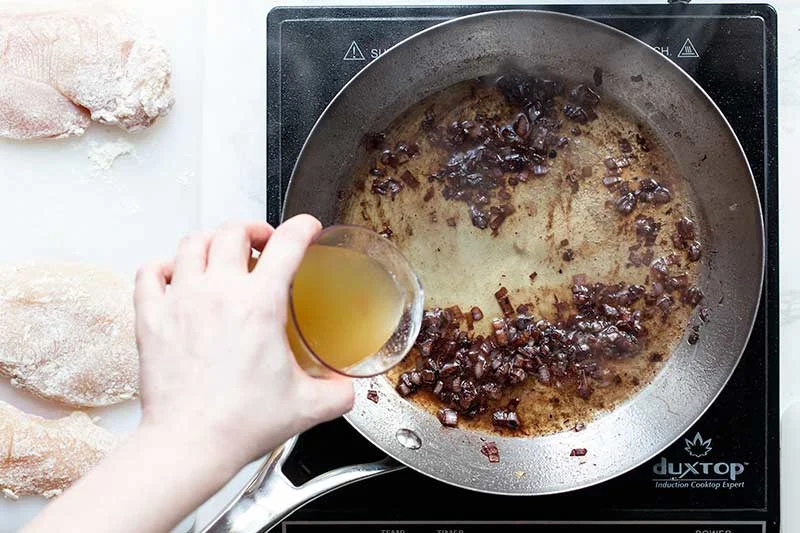
Deglazing is a fundamental cooking technique that involves adding a liquid to a hot pan after sautéing or searing food. This process loosens the caramelized bits of food residue stuck to the pan’s surface, known as fond. Although these leftover bits may seem insignificant, they contain a concentrated burst of flavor. Properly deglazing the pan allows you to extract these robust flavors and incorporate them into a sauce or gravy, transforming what could be wasted into a delicious addition to your dish. Ignoring this step can mean missing out on a rich depth of flavor that can elevate even the simplest meals.
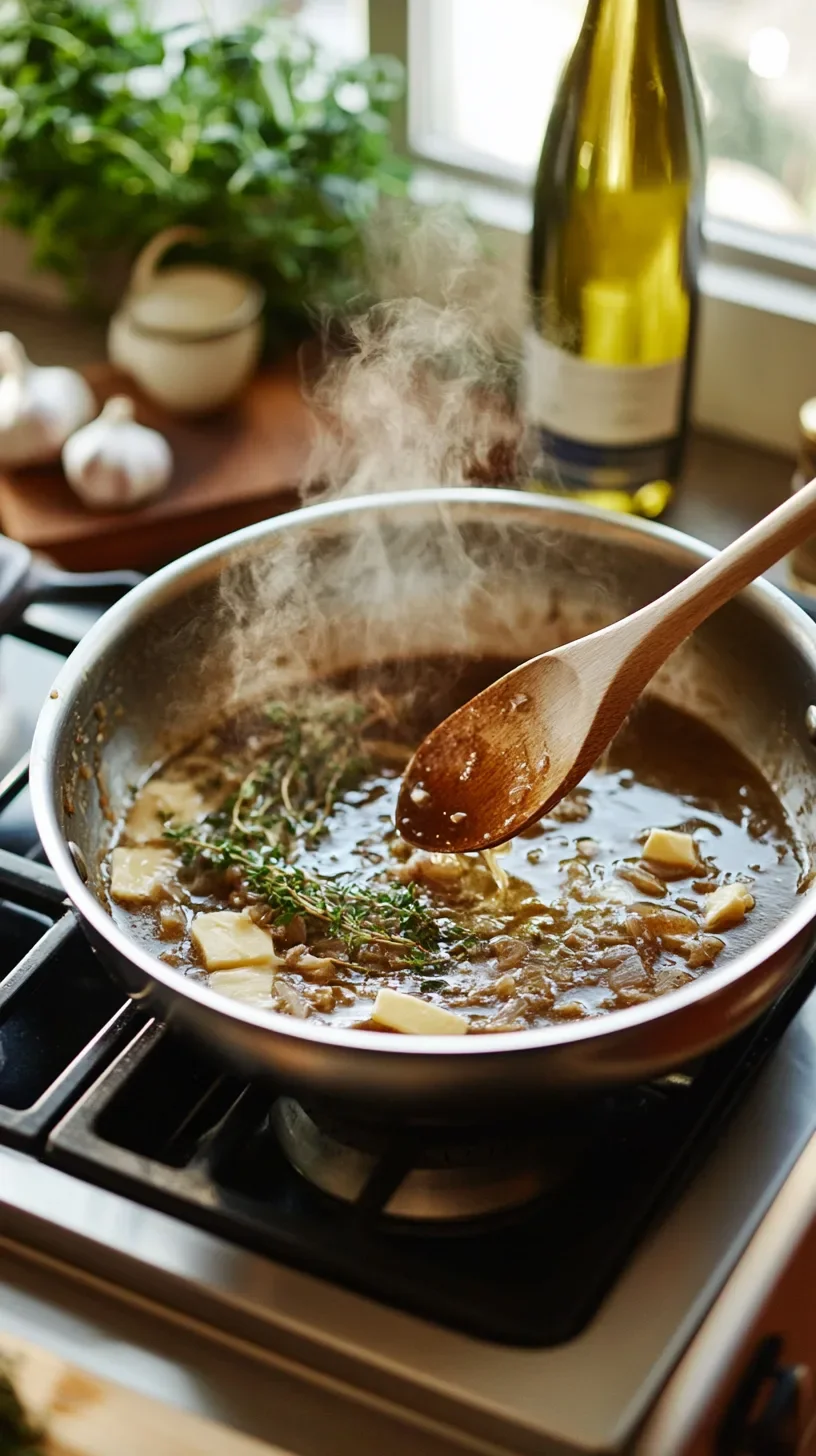
The Flavor Science Behind Leftover Bits (Fond)
The dark, sticky residue left behind after cooking meat, vegetables, or even some starches is packed with browned proteins and sugars. This complex mixture, fond, forms through the Maillard reaction—a chemical process that creates new flavor compounds and color due to heat. Without careful attention, these flavorful bits can burn and become bitter instead of enhancing your dish. When deglazed properly, the fond dissolves into the added liquid, releasing nuanced and intense flavors that form the foundation of many classic sauces, enriching both taste and aroma.
Choosing the Right Pan and Ingredients for Deglazing
Types of Pans That Enhance the Deglazing Process
Not all pans are created equal when it comes to deglazing. Heavy-bottomed stainless steel or cast iron pans are ideal because they distribute heat evenly and develop fond easily. Non-stick pans, conversely, often don’t allow the same caramelization to occur, resulting in less flavorful fond. The key is to use a pan that holds heat well and can withstand direct high heat without warping. This ensures the fond develops properly and can be released smoothly when you add liquid to deglaze.
Selecting Liquids: Wine, Broth, and Beyond
The choice of liquid for deglazing significantly influences the sauce’s final flavor. Dry white or red wine adds acidity and complexity, helping to break down the fond while contributing its own aromatic profile. Broths, whether chicken, beef, or vegetable, introduce savory notes and deepen the sauce’s richness. Other popular options include vinegar, cider, or even water in a pinch, though these may alter the flavor balance differently. The liquid should complement the main ingredient you cooked, enhancing rather than overpowering the dish.
Step-by-Step Guide to Properly Deglaze Your Pan
Preparation Before Deglazing
After cooking your protein or vegetables, it’s crucial to remove excess fat from the pan to prevent greasy sauces. Leave just enough fat to carry flavors and help dissolve the fond. Once the food is removed, keep the pan hot but not smoking. This temperature control is essential before adding your deglazing liquid to ensure the fond loosens without burning.
Techniques to Release Fond Without Burning
Add the chosen liquid gradually while scraping the bottom of the pan with a wooden spoon or spatula. This gentle agitation is critical for loosening stubborn browned bits without dislodging them aggressively, which can cause splitting or burning. Maintain a medium-high heat to allow the liquid to simmer, evaporating excess moisture and concentrating flavors. Patience here prevents bitterness and ensures a smooth base for your sauce.
Incorporating Aromatics and Enhancers
Once the fond has been lifted, adding aromatics such as garlic, shallots, or herbs can deepen the flavor profile. Sauté these briefly in the deglazing liquid, allowing their fragrance to infuse the sauce. Enhancers like mustard, tomato paste, or a splash of cream can be stirred in at this stage to add thickness and complexity, tailoring the sauce to the dish you are preparing.
Transforming Deglazed Fond Into Flavorful Sauces
Simple Sauces You Can Create From Deglazed Liquid
The liquid from deglazing forms the perfect base for various quick sauces. A classic pan sauce might simply involve reducing the deglazed liquid to intensify it before finishing with a pat of cold butter to add richness and sheen. Alternatively, a splash of cream can be added to create a velvety texture, ideal for poultry or fish. Even a simple reduction of wine and broth can elevate vegetables or cooked grains when drizzled over as a sauce.
Adding Cream, Butter, and Herbs for Complexity
Incorporating butter or cream after reducing the deglazed liquid enriches the sauce’s mouthfeel and balances acidity. Fresh herbs like thyme, parsley, or tarragon add brightness and elevate the flavor complexity. These finishing touches turn a basic pan sauce into a harmonious accompaniment, complementing your main ingredient while highlighting the fond’s nuanced flavors.
Common Mistakes to Avoid for Perfect Deglazed Sauces
Overheating and Burning the Fond
One of the biggest pitfalls when deglazing is allowing the fond to scorch. Excessive heat can turn the fond bitter, overshadowing the sauce’s intended flavors. It’s important to monitor heat levels carefully, reducing if the fond starts to darken too rapidly. Avoid rushing the process by adding cold liquids to a scorching pan, which can cause uneven cooking and splattering.
Choosing Incompatible Liquids
Selecting the wrong liquid can result in off-putting flavors or a sauce that clashes with the dish’s profile. For example, overly sweet wines can dominate delicate notes, while strong vinegar may create harsh acidity. Understanding the flavor compatibility between the cooking liquid and the deglazing ingredient is vital for creating balanced sauces.
Ignoring Timing and Temperature Control
Adding liquid too early or too late can hinder proper fond release. Pouring the liquid when the pan is not hot enough may prevent the fond from lifting correctly, while waiting too long risks the fond drying out or burning. Timing also affects sauce consistency; keeping the heat steady helps reduce the liquid at the right pace without scorching or undercooking.
Advanced Tips: Elevate Your Sauces with Deglazing
Experimenting with Different Alcohols and Stocks
Once comfortable with basic deglazing, venturing into various alcohols like sherry, brandy, or sake offers new taste dimensions. Each brings unique characteristics—sherry adds nutty sweetness, brandy imparts warmth, while sake lends an umami twist. Similarly, mixing stocks from different sources or adding homemade reductions can intensify flavors and create personalized sauces that reflect your culinary style.
Using Deglazing in Various Cuisines
Deglazing is a versatile technique embraced worldwide. In French cuisine, it forms the backbone of classic pan sauces like bordelaise or beurre blanc. Asian cooking often uses sake or mirin for deglazing, contributing to delicate yet savory sauces. Understanding how different cultures use deglazing can inspire innovation and broaden your flavor repertoire, making everyday meals more exciting and flavorful.