Understanding Pan Deglazing
What Is Deglazing?
Deglazing is a cooking technique used to capture and incorporate the browned bits, called fond, left at the bottom of a pan after sautéing or roasting. These flavorful remnants often contain concentrated tastes from the protein or vegetables cooked earlier. By pouring a liquid into the hot pan, the cook loosens these bits, blending them with the liquid to form the base of a rich sauce. This process is essential for adding depth and complexity to many dishes, transforming what might otherwise be discarded into a highlight of the meal.
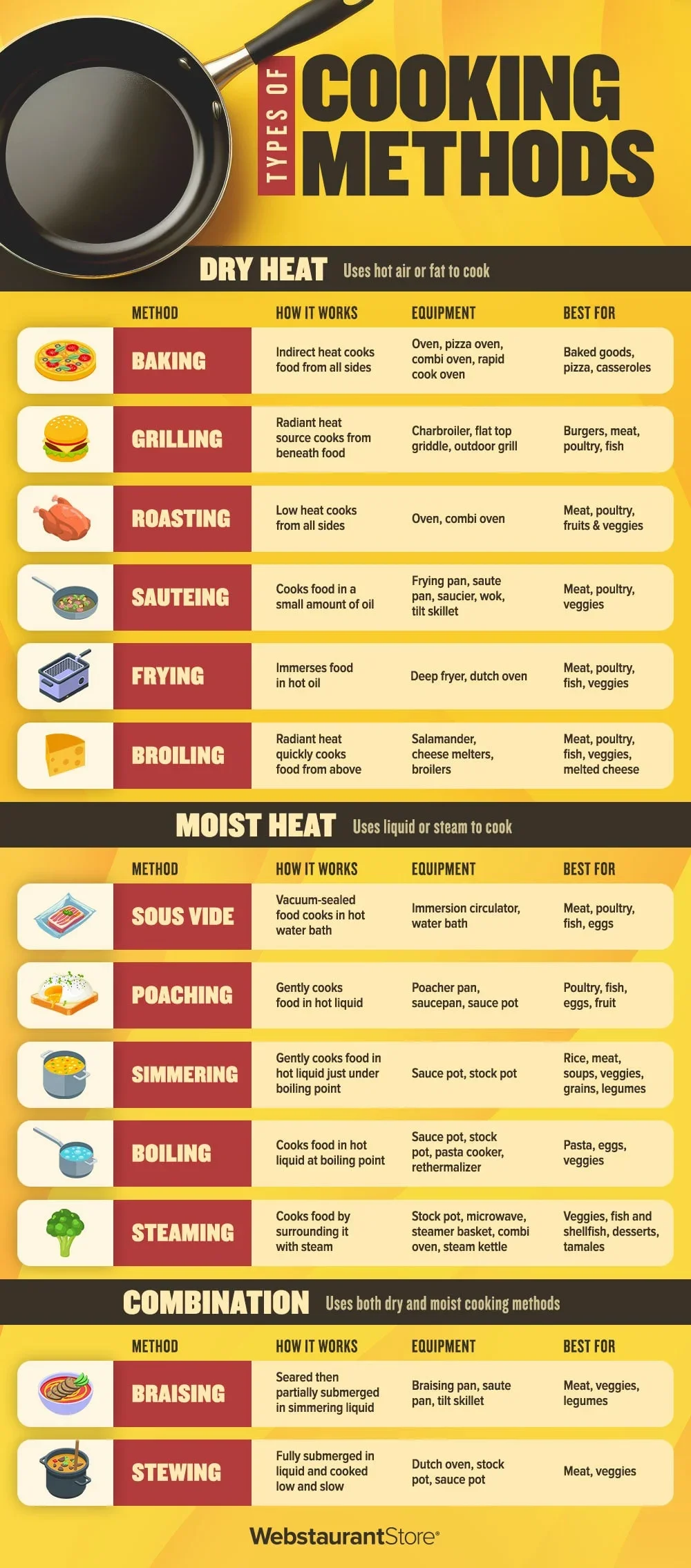
The Science Behind Deglazing and Flavor Enhancement
When food is cooked at high heat, the Maillard reaction occurs, which is a chemical reaction between amino acids and reducing sugars. This reaction creates the crispy, golden crust and wonderful flavors that enhance dishes. The fond left on the pan after cooking contains those concentrated flavors. Deglazing dissolves these caramelized compounds back into a liquid, making those intense flavors accessible and easier to incorporate into the dish. Additionally, the steam generated when the liquid hits the hot pan helps to lift and dissolve the fond, releasing aromatic compounds that combine to create a delicious sauce.
Essential Tools and Ingredients for Deglazing
Choosing the Right Pan
Not all pans are equally effective for deglazing. Heavier pans with thicker bottoms, such as stainless steel or cast iron, hold heat more evenly and develop fond more reliably. Non-stick pans, while convenient, often produce less fond because the food tends to slide rather than brown firmly. Using the right pan ensures a richer flavor foundation and makes the deglazing process smoother, as fond is more easily released from a well-heated surface.
Liquids That Work Best for Deglazing
The choice of liquid is crucial because it determines the character of your sauce. Common options include wine, stock, broth, and even vinegar or citrus juices. Wine, particularly red or white depending on the dish, adds acidity and complexity. Stocks or broths provide savory depth, while vinegars and citrus juices contribute brightness and tanginess. Water is the simplest option but offers little flavor. Choosing the right liquid depends on the flavor profile you wish to achieve and the other ingredients in your recipe.
Step-by-Step Guide to Deglazing a Pan
Preparing the Pan Post-Cooking
Once your protein or vegetables have finished cooking, remove them from the pan and set aside to rest. Leave the pan on the stove over medium heat because the residual heat is vital for releasing the fond. It’s important not to clean the pan or add ingredients prematurely. At this stage, you might want to reduce the heat slightly if the pan is too hot to prevent burning the fond during the next steps.
Adding Liquid and Loosening Fond
Carefully pour a small amount of your chosen liquid into the hot pan. The liquid should be enough to cover the bottom but not so much that it dilutes the flavor. As the liquid hits the pan, it will sizzle and steam, helping to lift the browned bits stuck to the surface. Using a wooden spoon or silicone spatula, gently scrape the bottom in a sweeping motion to loosen all the fond. Continue stirring until the liquid reduces slightly and the mixture becomes aromatic.
Incorporating Ingredients to Create Sauce
Once the fond is fully dissolved, you can enrich the sauce by adding ingredients such as butter, cream, or mustard, depending on the desired finish. Adding these elements gradually while stirring allows the sauce to emulsify, resulting in a smooth texture. Simmer the sauce briefly to let the flavors meld. Taste and adjust seasoning with salt and pepper to balance the flavors before serving alongside your main dish.
Tips and Tricks to Master Deglazing
Common Mistakes to Avoid
A frequent error in deglazing is adding the liquid to a pan that is too hot, causing the liquid to evaporate quickly and burn the fond, which can lead to bitterness. Another mistake is not scraping the fond thoroughly, which wastes the opportunity to capture concentrated flavors. Additionally, using overly acidic liquids without balance can overpower the sauce’s taste. Avoid rushing through the process; taking time to develop the sauce gradually ensures better results.
Enhancing Sauce Flavor with Herbs and Spices
To elevate your deglazed sauce further, consider adding fresh or dried herbs and spices. Thyme, rosemary, and bay leaves work wonderfully during simmering, infusing subtle aromatic notes. For a hint of warmth, cracked black pepper or a pinch of paprika can complement the sauce. Adding minced garlic or shallots during the fond loosening stage also amplifies flavor complexity. The key is to add these enhancements thoughtfully and sparingly, so they accent the sauce without overpowering it.
Creative Sauce Recipes Using Deglazing Techniques
Classic Red Wine Pan Sauce
This timeless sauce begins by deglazing the pan with a dry red wine after cooking beef or lamb. The wine dissolves the fond and reduces to concentrate its flavor. Then, beef stock is added and simmered until the sauce thickens slightly. Finished with a pat of butter, the sauce boasts a luscious texture and rich taste that perfectly complements roasted meats.
Quick White Wine and Shallot Sauce
For a lighter option, white wine and shallots create a delicate sauce ideal for chicken or fish. After removing the protein, sautée finely chopped shallots in the pan briefly, then pour in white wine to deglaze. Adding a splash of lemon juice and fresh herbs brightens the sauce, while finishing with a bit of cream or butter enriches the texture. This quick sauce enhances without overwhelming the natural flavors of the dish.
Conclusion: Elevate Your Cooking with Proper Deglazing
Mastering the art of pan deglazing is a simple yet transformative step for any home cook. By understanding the science and technique, selecting the right tools and liquids, and carefully executing each stage, you can create flavorful sauces that elevate your dishes. Avoiding common pitfalls and experimenting with herbs and spices opens endless possibilities. Ultimately, deglazing turns everyday cooking into a more refined and delicious experience, proving that attention to detail makes all the difference in the kitchen.