Understanding the Science Behind Searing Steak
The Maillard Reaction Explained
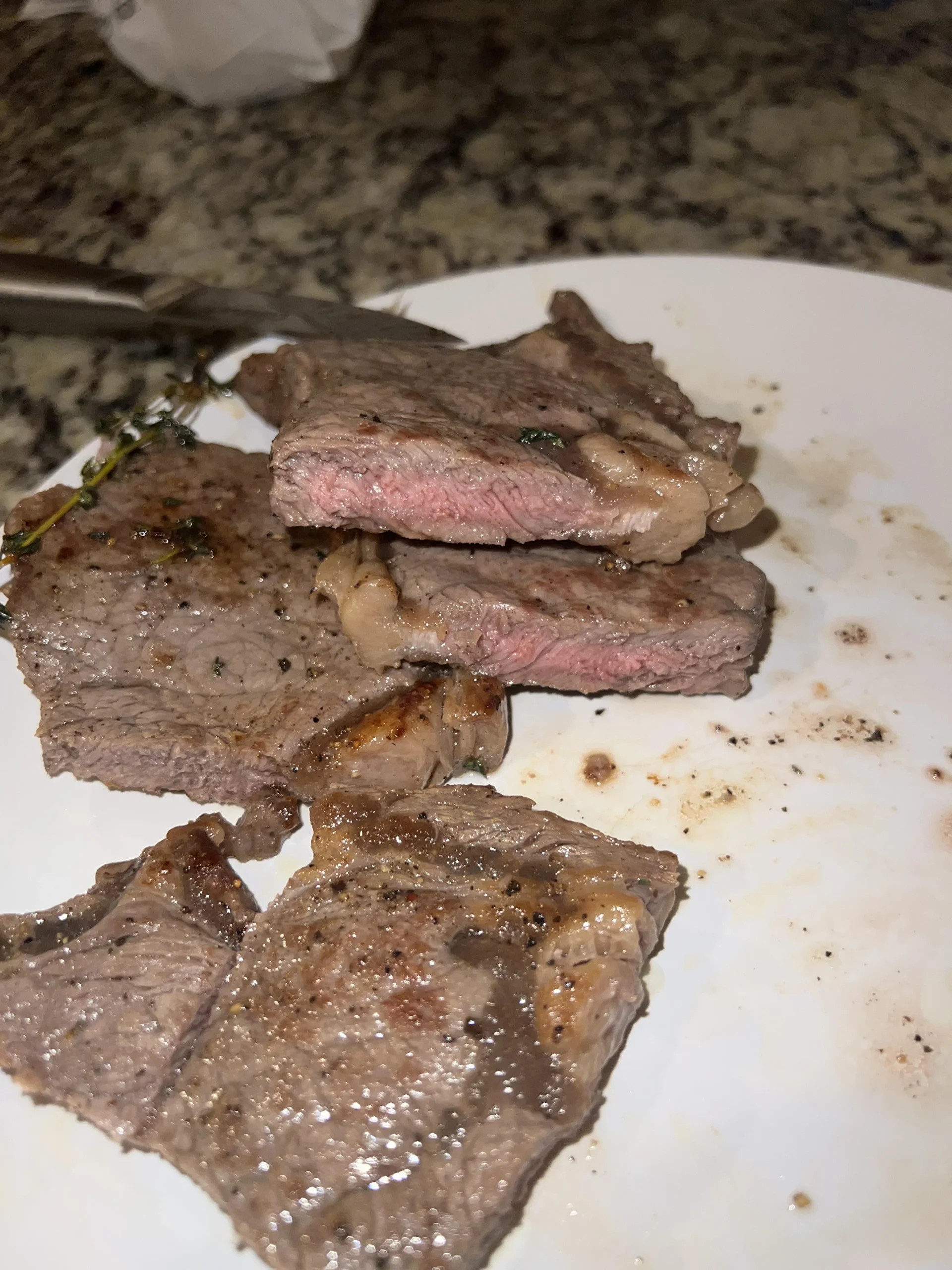
Searing steak is more than just a cooking step; it’s a chemical transformation known as the Maillard reaction. This process occurs when proteins and sugars on the steak’s surface react under high heat, creating a complex, flavorful crust. Without this reaction, steak would lack the deep, savory flavors that make it so desirable. The golden-brown crust that forms is a visual and sensory indicator that the Maillard reaction has taken place successfully.
How Searing Affects Steak Juiciness
Many believe searing “locks in” juices, but the reality is more nuanced. Searing creates a flavorful crust that acts as a barrier, slowing moisture loss during cooking. However, overcooking during or after searing can still dry the steak out. The key is balancing intense heat to develop the crust quickly while avoiding prolonged exposure that forces juices to escape. Proper searing enhances juiciness by sealing textures without causing excessive moisture loss.
Preparation Techniques for Perfect Searing
Choosing the Right Cut of Steak
Not all steaks respond equally to searing. Cuts like ribeye, New York strip, and filet mignon have sufficient marbling—intramuscular fat—that melts and bastes the meat during cooking, enhancing moisture and flavor. Leaner cuts tend to dry out faster, making searing more challenging. Selecting a cut with a good fat-to-meat ratio is essential to achieving the balance between a seared crust and juicy interior.
Proper Seasoning and Marinades
Seasoning plays a critical role in searing success. Salt is the most important seasoning, as it helps draw moisture to the surface, which then evaporates, allowing better browning. Applying salt just before cooking prevents premature drawing out of water. Marinades can add flavor but risk creating a wet surface that hinders crust formation if overly applied. A simple approach—patting the steak dry and seasoning with salt and pepper—is often best for optimal sear.
Importance of Bringing Steak to Room Temperature
Starting with a steak that’s too cold causes uneven cooking and extended cooking time, making it more likely to overcook the exterior before the inside is done. Allowing the steak to sit at room temperature for 20 to 30 minutes prior to searing evens out the temperature gradient. This reduces the risk of undercooked centers or excessive heat exposure, supporting a uniform sear and juicier outcome.
Essential Tools and Equipment
Best Types of Pans for Searing
The choice of pan dramatically affects heat retention and searing quality. Heavy-bottomed pans, such as cast iron and stainless steel, hold and distribute heat evenly, crucial for sustained high temperatures. Non-stick pans typically don’t reach the required searing heat and should be avoided. A well-seasoned cast iron skillet remains the gold standard, providing a durable, natural non-stick surface that enhances crust development.
Using Cast Iron vs Stainless Steel
Each material has merits and nuances. Cast iron excels at maintaining steady, high heat, perfect for a consistent sear. It also adds a slight iron flavor some cooks appreciate. Stainless steel heats up faster but can have uneven hot spots without careful management. It is easier to clean and lightweight but requires more attention to temperature control. Understanding these differences helps tailor the searing approach to the equipment available.
Recommended Thermometers and Heat Sources
Precision matters when searing to avoid guesswork. Instant-read thermometers allow monitoring the steak’s internal temperature without long breaks, guarding against overcooking. Infrared thermometers can measure pan surface temperature to ensure readiness. As for heat, a gas stove provides quick heat adjustments, while electric burners can lag, increasing the risk of temperature swings. Choosing the right tools ensures better control over the cooking process.
Step-by-Step Guide to Searing Steak
Preheating the Pan Correctly
Proper preheating is the foundation of a good sear. The pan must be hot enough to initiate the Maillard reaction immediately upon contact. This typically means heating the pan for several minutes until it reaches a visible shimmer or just before it starts to smoke. Using a dry pan without oil initially ensures the right temperature is reached for maximum crust formation.
Applying Oil and Managing Smoke Points
Adding the right oil just before placing the steak in the pan is critical. Use oils with high smoke points like canola, grapeseed, or avocado oil to prevent burning and off-flavors. Adding oil too early can cause it to degrade and smoke excessively. Once oil is shimmering, place the steak carefully to avoid splattering and ensure even contact with the pan surface.
Timing Each Side: When to Flip
Knowing when to flip the steak depends on visual and tactile cues rather than a strict timer. After searing, the edges will darken, and the steak will release easily when ready to turn. Flipping only once prevents breaking the crust and losing juices. Timing varies by thickness, but a general rule is 2-3 minutes per side for medium-rare on a 1-inch steak. Monitoring closely and adjusting based on thickness and stove intensity is key.
Using Butter and Aromatics to Enhance Flavor
Toward the end of searing, adding butter along with garlic, thyme, or rosemary enriches flavor and texture. Basting the steak with melted butter and aromatics creates a nuanced crust and moist finish. However, adding butter too early risks burning, so wait until the last minute of cooking to introduce these ingredients. This final touch elevates the overall dish while preserving juiciness.
How to Avoid Overcooking While Searing
Understanding Carryover Cooking
After searing, the steak continues to cook from residual heat, known as carryover cooking. This effect can raise the internal temperature by several degrees, pushing the steak past the desired doneness if not accounted for. Removing the steak from heat slightly before reaching the target temperature compensates for this, ensuring a perfect finish without dryness.
Using Internal Temperature Checks
Checking internal temperature is the most reliable way to prevent overcooking. For those seeking specific doneness levels—rare, medium, or well-done—using an instant-read thermometer guides precise timing. Without temperature feedback, it’s easy to misjudge readiness, especially with thicker cuts. Investing in a good thermometer is essential for controlled, juicy results.
Resting Time: Why It Matters
Resting the steak after searing allows juices to redistribute throughout the meat rather than spilling out when cut. This step can feel like a waiting game, but it significantly impacts moisture retention and tenderness. Cover the steak loosely and rest for 5 to 10 minutes. Skipping resting often leads to dry, tough bites despite perfect searing technique.
Creative Searing Variations to Try
Reverse Sear Method
The reverse sear is a technique where the steak is first cooked slowly at low temperature then seared at high heat at the end. This method solves the issue of overcooking the outside while achieving the perfect interior doneness. It’s especially useful for thick steaks, offering greater control and even cooking with a beautiful crust formed last.
Searing on Outdoor Grills vs Indoor Stovetops
Grilling introduces distinct challenges and benefits. Outdoor grills provide intense, direct heat similar to stovetop searing, but the open environment demands close attention to flare-ups and temperature fluctuations. Indoor stovetops offer more consistent heat control but may lack the smoky flavor imparted by charcoal or wood. Knowing how each environment affects cooking helps adapt searing techniques accordingly.
Using Searing to Prepare Different Steak Doneness Levels
Searing isn’t one-size-fits-all; adjusting time and temperature based on desired doneness ensures optimal results. For rare steaks, a brief sear on very high heat followed by resting suffices, while medium and well-done steaks require careful management of heat and carryover cooking to avoid dryness. Recognizing these nuances helps chefs personalize the searing process to individual tastes.