Introduction to Cast Iron Skillets
What Makes Cast Iron Skillets Special?
Cast iron skillets have been a kitchen staple for centuries, prized for their durability and distinctive cooking qualities. Unlike other cookware, cast iron skillets are made from molten iron poured into molds, resulting in a thick, heavy pan that retains heat exceptionally well. This unique construction allows them to provide a consistent, evenly distributed heat source, making them ideal for a wide range of cooking methods from searing to baking.
What sets cast iron apart is not just its material but also the seasoning process, which creates a natural non-stick surface. This seasoning improves over time, making the skillet easier to use and maintain. Their versatility extends beyond stovetop use; they can go from burner to oven seamlessly, adapting to many recipes and techniques.
The Benefits of Using Cast Iron for Cooking
Using a cast iron skillet offers significant advantages in both cooking performance and health considerations. Thanks to their heat retention, cast iron pans allow for even cooking, minimizing hot spots that can burn or undercook food. This quality makes them particularly effective for achieving perfect sears on meats or evenly cooked vegetables.
Additionally, cast iron skillets can increase the iron content in your food, which is a nutritional benefit for those seeking to boost their dietary iron intake. Their robustness means they can last for decades, often becoming heirloom pieces passed down through generations. The ability to use them on various heat sources—stovetop, oven, grill, or even campfire—adds to their appeal for both everyday and adventurous cooks.
Preparing Your Cast Iron Skillet
Seasoning: Why It Matters and How to Do It Right
Seasoning is the cornerstone of cast iron skillet performance. It involves coating the pan with a thin layer of oil and heating it, allowing the oil to polymerize and bond to the iron surface. This process creates a durable, non-stick layer that protects the skillet from rust and improves cooking outcomes.
To season a cast iron skillet properly, start by cleaning the pan thoroughly and drying it completely. Apply a thin, even coat of vegetable oil or flaxseed oil across all surfaces. Then, place the skillet upside down in an oven preheated to around 450°F (230°C), putting a sheet of foil underneath to catch any drips. Bake for about an hour, then allow it to cool in the oven. Repeating this process several times strengthens the seasoning and enhances the skillet’s performance.
Preheating Techniques for Optimal Heat Distribution
Preheating your cast iron skillet is essential for achieving even cooking. Because cast iron heats slowly but retains heat well, it’s important to warm it gradually. Start by placing the skillet over low to medium heat for several minutes before increasing the temperature. This slow heating helps avoid thermal shock and ensures that the heat spreads evenly across the cooking surface.
A well-preheated skillet not only cooks food evenly but also helps in preventing sticking, especially when combined with proper seasoning. It’s useful to test the skillet’s readiness by sprinkling a few drops of water on the surface—if they sizzle and evaporate quickly, the pan is hot enough to start cooking.
Mastering Even Cooking with Cast Iron
Understanding Heat Retention and Circulation
Cast iron skillets excel at retaining heat because of their dense iron composition, which means once heated, they maintain a stable temperature for a long time. This characteristic is key for consistent cooking results. However, since the pan heats slowly, understanding heat circulation is vital to avoid uneven cooking.
Heat moves from the heat source into the skillet’s base and slowly distributes to the sides. The skillet’s thick walls help keep the temperature uniform, but the edges can sometimes be cooler than the center if the heat is too high or inconsistent. Managing your stovetop’s heat and positioning the skillet properly on the burner can optimize heat distribution and minimize temperature variations.
Best Practices for Cooking Different Types of Food
Different foods require different approaches when using a cast iron skillet. For searing meats, ensure the skillet is thoroughly preheated to get a quick, flavorful crust without sticking. Avoid moving the meat too soon; letting it develop a crust naturally prevents sticking and promotes even cooking.
For delicate foods like eggs or fish, a well-seasoned pan is crucial. Use moderate heat and add a bit of oil or butter to maintain a lubricated surface. For frying or baking, cast iron’s heat retention ensures the oil temperature stays steady, creating crispy results. Adjusting cooking times and heat levels according to the food’s thickness and moisture content will help you maximize the skillet’s advantages.
Common Mistakes and How to Avoid Them
Several pitfalls can undermine your experience with cast iron cooking. A frequent mistake is not preheating the skillet properly, which can cause food to stick or cook unevenly. Another error is using harsh detergents or scrubbing pads that strip away the seasoning layer, diminishing the pan’s non-stick properties and exposing it to rust.
Overheating the pan is another common issue; extreme heat can damage the seasoning and warp the skillet over time. Lastly, neglecting to dry the skillet thoroughly after washing leads to rust formation. Being mindful of these errors and taking preventive steps will help maintain your skillet in optimal condition.
Cleaning and Maintenance Tips
Simple Steps for Easy Cleanup Without Damaging Seasoning
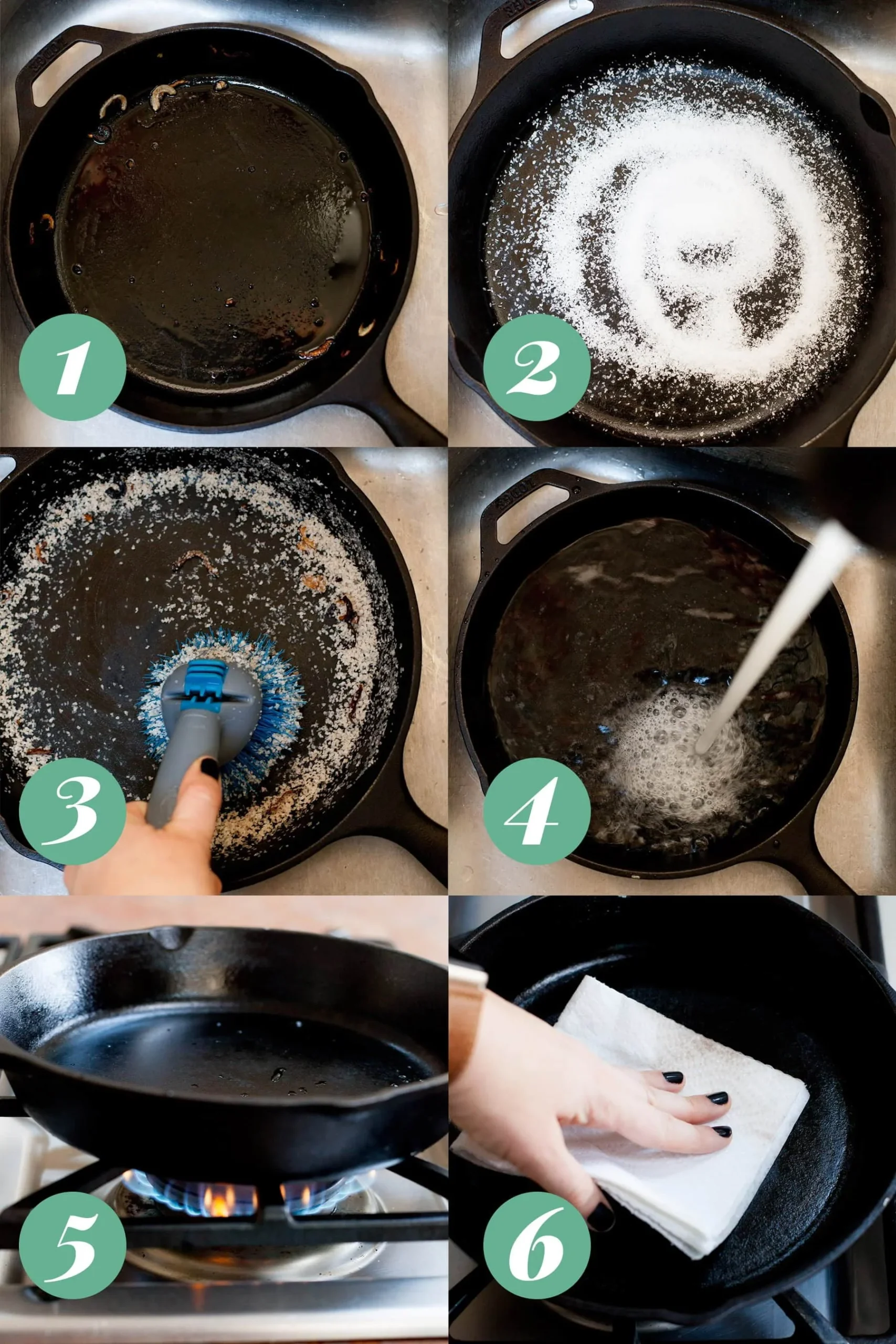
Cleaning cast iron skillets involves minimal effort if done correctly. After cooking, while the skillet is still warm but not hot, wipe it out with a paper towel or a cloth to remove excess food and oil. For stuck-on bits, use a scraper or a brush without soap to avoid breaking down the seasoning.
Rinsing with warm water is usually sufficient, and if necessary, a small amount of mild soap can be used sparingly. Always dry the skillet immediately and thoroughly with a towel or by placing it on a low burner for a few minutes. Finally, lightly oil the surface before storing to maintain the seasoning and prevent rust.
How to Handle Stubborn Residues
When residues become persistent, a safe approach involves using coarse salt as an abrasive cleaner. Sprinkle salt into the still-warm skillet and scrub gently with a damp cloth or sponge. The salt acts as a natural scouring agent without harming the seasoning.
For extremely stuck food, simmering a bit of water in the skillet can loosen debris, making it easier to clean afterward. Avoid using harsh chemical cleaners or metal scouring pads as these can damage the seasoned surface drastically.
Proper Storage to Extend Skillet Lifespan
Storing your cast iron skillet properly is essential to keeping it in prime condition. Store it in a dry place to prevent moisture accumulation, which can cause rust. If stacking with other cookware, place a paper towel or cloth between pans to protect the seasoning from scratches.
Occasionally, inspect the skillet for any signs of rust or damage and reapply a light coat of oil if needed. Proper storage not only preserves the skillet’s performance but also enhances its longevity and usability over time.
Advanced Tips for Cast Iron Enthusiasts
Re-seasoning Techniques for Reviving Your Skillet
Over time, even well-maintained cast iron skillets may require re-seasoning to restore their non-stick surface. To re-season, start by cleaning the skillet thoroughly, removing any rust or old seasoning remnants with steel wool or a scraper. After rinsing and drying, apply a thin layer of your chosen oil evenly over all surfaces.
Place the skillet upside down in a preheated oven at 450–500°F (230–260°C) for about an hour. Allow it to cool completely in the oven before storing. This process can be repeated to build a stronger seasoning layer. Regular re-seasoning ensures your skillet stays smooth, rust-free, and ready for consistent cooking.
Using Cast Iron Skillets on Various Heat Sources
Cast iron skillets are incredibly versatile and can be used on different heat sources beyond the stovetop. They perform well on gas, electric, and induction cooktops, although induction requires skillets with flat, smooth bottoms for optimal contact. In addition, cast iron can be safely used in ovens, grills, and even over open flames, making them perfect for indoor and outdoor cooking.
When using the skillet on a grill or campfire, managing the heat might require adjustments such as moving the skillet away from direct flames or adjusting cooking times. The skillet’s ability to retain heat helps maintain consistent temperatures even in variable outdoor conditions, expanding the range of cooking possibilities.