Understanding Sous Vide Cooking
What is Sous Vide?
Sous vide, a French term meaning “under vacuum,” is a cooking method where food is sealed in an airtight bag and cooked in a water bath at a precisely controlled temperature for an extended time. Unlike traditional cooking methods, which apply high heat quickly, sous vide allows for gentle, even cooking. This technique brings home chefs and professionals alike a reliable way to achieve consistent results, especially when dealing with delicate proteins such as chicken breasts.
Benefits of Sous Vide for Chicken Breasts
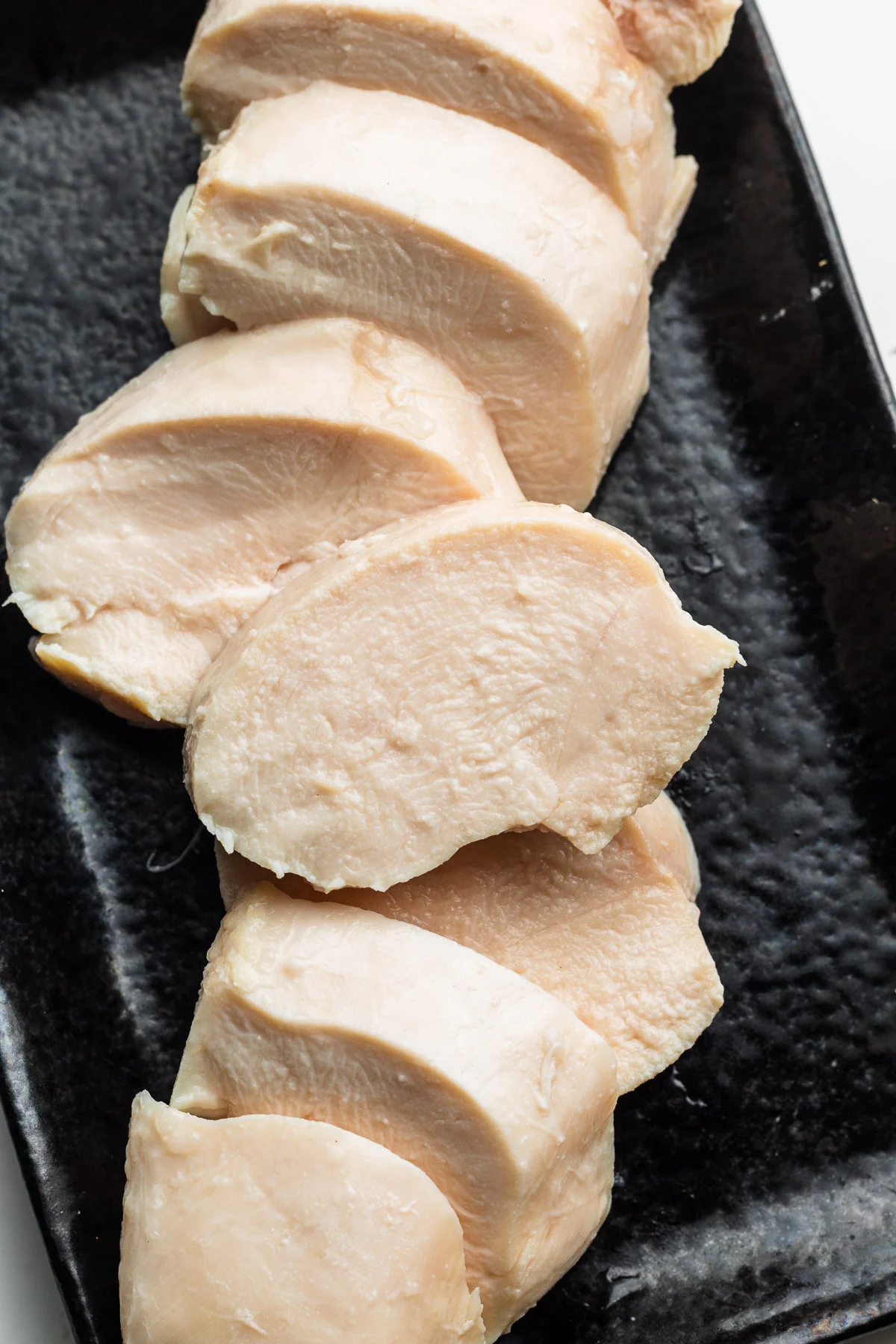
Chicken breasts notoriously suffer from dryness and toughness when overcooked. Sous vide removes the guesswork by cooking the meat at an exact temperature that’s perfect for retaining moisture and tenderness. For instance, a chef struggling to get juicy chicken on a weeknight found sous vide transformed their meals, as the meat stayed succulent from edge to edge. The result is consistently juicy chicken that never overshoots the mark, making it ideal for salads, sandwiches, or entrees.
Essential Equipment and Setup
Choosing the Right Sous Vide Cooker
When starting out, selecting a sous vide cooker that fits your kitchen setup and cooking habits is crucial. Affordable immersion circulators are great for beginners and attach easily to pots you already own, turning them into precision water baths. If you cook often, investing in a standalone water oven can offer greater volume and temperature stability. For example, a busy home cook appreciated the compact design of an immersion circulator, which fit neatly on counters without taking much space but still delivered professional results.
Required Tools and Accessories for Chicken
Beyond the cooker, you’ll need reliable sealable bags or a vacuum sealer to properly enclose the chicken. Vacuum sealers offer the best airtight seal, eliminating air pockets that can interfere with heat transfer. However, heavy-duty ziplock bags work well for beginners, especially when the water displacement method is used to remove air. Additionally, a cast iron skillet or a grill pan will be useful later for finishing your chicken, helping to create that appealing golden crust.
Preparing Chicken Breasts for Sous Vide
Selecting Quality Chicken Breasts
Start with fresh, high-quality chicken breasts from a trusted source. Organic or free-range options often have better texture and flavor, making them worth the investment. When preparing your chicken, try to select pieces of similar thickness for even cooking. I recall one cooking enthusiast who tried mixing thin and thick breasts in the same bag and ended up with unevenly cooked results, highlighting the importance of consistent size.
Seasoning and Marinades to Enhance Flavor
Sous vide cooking enhances the natural flavors while locking in moisture. Season your chicken simply with salt and pepper or add fresh herbs like thyme and rosemary directly into the bag for an aromatic boost. Marinades work exceptionally well too—acidic components like lemon juice or yogurt can tenderize while infusing flavor. A home cook shared how marinating chicken in garlic and citrus before sous vide resulted in a vibrant taste that no conventional method could match.
Step-by-Step Guide to Sous Vide Chicken
Setting the Temperature and Time
For juicy chicken breasts, the recommended temperature range is between 140°F (60°C) and 150°F (65.5°C). Cooking at 140°F yields an extremely tender and slightly soft texture, while 150°F offers a firmer, but still juicy bite. Typical cooking times range from 1 to 4 hours. For busy individuals, cooking closer to four hours allows some flexibility without sacrificing quality, as the chicken remains safe and juicy over that window.
Sealing the Chicken Properly

Once seasoned, place the chicken breasts in a single layer inside the vacuum bag or ziplock bag. Remove as much air as possible; using a vacuum sealer is ideal, but the water displacement method with a ziplock bag also works well. Proper sealing ensures the chicken cooks evenly without floating or uneven water contact. I once witnessed a mistake where air pockets caused one breast to cook slower, leaving parts underdone—an avoidable error by carefully sealing the bag.
Cooking Process Explained
Set your sous vide cooker to the desired temperature and preheat the water bath. Submerge the sealed chicken completely, weighing it down if necessary to prevent floating. Maintain the temperature steady throughout the cooking duration. Over the course of the bath, the chicken gradually reaches the target temperature and stays there, resulting in even doneness. After the timer ends, remove the chicken from the bag and pat dry gently to prepare for finishing.
Finishing Techniques for Perfect Texture
Searing Methods for Juicy Chicken
While sous vide cooks chicken to perfection internally, it leaves the exterior pale and unappealing. Searing seals in those juices and develops a rich golden crust that makes the chicken visually inviting and flavorful. Heat a skillet with a small amount of oil over medium-high heat and sear the chicken for just 30 to 60 seconds per side. Avoid overcrowding the pan. You can also use a grill or broiler for this final step. I remember a friend who skipped searing and found the chicken tasty but lacking visual appeal and texture contrast.
Resting and Serving Tips
After searing, let the chicken rest briefly to redistribute the juices. Even though sous vide minimizes moisture loss, a short rest maintains internal balance, especially after the heat of searing. Slice against the grain for tenderness and serve with your favorite sides or incorporate into salads and wraps. Using sous vide chicken as leftovers works well too, since reheating gently keeps the meat juicy without drying it out.
Troubleshooting Common Issues
Why Chicken May Come Out Dry or Overcooked
Despite sous vide’s forgiving nature, mistakes happen. Cooking chicken at too high a temperature or leaving it in the water bath for too long can cause a dry texture. For instance, one inexperienced cook set the temperature above 160°F, which resulted in a rubbery, overcooked feel. Similarly, improperly sealed bags allowing water entry or air pockets can compromise the cooking process, leading to uneven textures.
Adjusting Timing and Temperature for Preferences
Personal taste plays a significant role in sous vide cooking outcomes. If you prefer firmer chicken, raising the temperature towards 150°F and reducing cook time slightly may work better. For extra tender or even sliceable chicken, opting for 140°F and longer cooking times is effective. Experimenting within the safe temperature range while noting results helps dial in your perfect juicy chicken breast. Also, tweaking seasoning and finishing methods can elevate your sous vide experience.