Introduction to Acid-Base Chemistry in Baking
The Science Behind Bread Texture
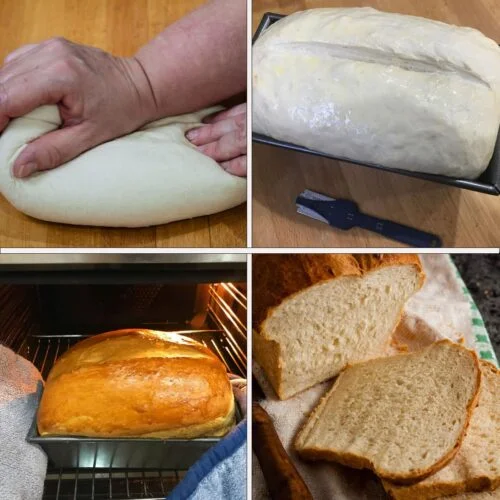
Bread texture is a complex feature influenced by multiple factors, including ingredients, mixing, fermentation, and baking conditions. At its core, the texture depends heavily on the gluten network and gas retention within the dough. Acid-base chemistry plays a crucial role in modulating these elements, impacting softness, crumb structure, and crust quality.
Why Acid-Base Reactions Matter
Understanding acid-base reactions allows bakers to fine-tune dough properties. These chemical reactions influence gluten strength, yeast activity, and dough pH. By controlling the balance of acids and bases, you can achieve consistent results, prevent common issues, and elevate the overall quality of homemade bread.
Key Ingredients and Their Roles
Common Acids Used in Bread Making
Acids like vinegar, lemon juice, and lactic acid from sourdough starters are often added to bread dough. They help strengthen gluten by tightening the protein network and improve flavor complexity. Acids also lower dough pH, which benefits yeast performance and controls bacterial growth.
Types of Bases and Their Effects
Baking soda is a common base incorporated in some bread recipes as a leavening agent. It reacts with acids to produce carbon dioxide, lightening the dough. Bases can also raise pH levels, which impacts gluten elasticity and crumb softness. Managing base levels is critical to avoid off-flavors or undesired textures.
Interplay Between Yeast and Acid-Base Chemistry
Yeast thrives within a specific pH range. Acids can slow fermentation if too strong, while bases may accelerate it. The acid-base balance influences yeast metabolism, gas production, and the resulting dough rise. Mastering this interplay ensures optimal fermentation and texture development.
How Acid-Base Reactions Influence Dough Consistency
Impact on Gluten Development
Gluten formation is sensitive to pH changes. Acidic environments tighten gluten strands, making the dough more elastic but sometimes less extensible. More alkaline conditions can weaken gluten, resulting in a softer, less chewy crumb. A balanced pH helps achieve desirable gluten strength and dough handling qualities.
Effect on Dough Rise and Structure
Carbon dioxide released from acid-base reactions enhances dough expansion, creating pockets essential for a light crumb. Too much acid may inhibit yeast activity, reducing rise, while excess base can cause excessive gas production, leading to irregular holes in the bread.
Step-by-Step Guide to Incorporating Acid-Base Reactions
Choosing the Right Ingredients
Select acids that complement your recipe and desired flavor, such as natural sourdough or mild vinegar. For bases, baking soda is effective but should be used cautiously. Consider ingredient interactions and their impact on fermentation and gluten.
Measuring and Mixing for Optimal Chemical Balance
Precision in measuring acids and bases is essential. Start with small quantities and adjust based on dough behavior. Mix acids thoroughly with wet ingredients before combining with flour to ensure even pH distribution.
Adjusting Baking Times and Temperatures
Acid-base chemistry can alter dough responsiveness to heat. Slightly longer baking times may be needed for acid-rich doughs to develop proper crust and crumb. Monitor temperature closely to avoid overbrowning or undercooking.
Troubleshooting Common Bread Texture Problems
Too Dense or Too Airy? Identifying the Cause
A dense loaf often results from insufficient acid or improper balance, leading to weak gluten or poor gas retention. Conversely, overly airy bread may indicate excess base or improper fermentation. Recognizing these cues helps in adjusting ingredient ratios accordingly.
Balancing pH Levels for Better Results
Use pH strips or tasting tests to monitor dough acidity. Aim for a mildly acidic environment to support yeast and strengthen gluten. If pH is off, slightly modify acid or base quantities in future batches to fine-tune texture.
Advanced Tips for Experimenting with Acid-Base Reactions
Using Natural Ferments and Starters
Incorporate natural sourdough starters to introduce organic acids slowly and enhance flavor and texture. These starters provide a balanced acid environment, improving dough resilience and crumb structure without harsh acidity.
Innovative Acid Sources Beyond Vinegar and Lemon
Explore alternatives such as yogurt, buttermilk, or fruit purees which add subtle acidity and moisture. These ingredients can elevate the bread’s complexity and provide unique textures, offering creative variations beyond traditional acids.
Conclusion: Mastering Bread Texture Through Chemistry
Acid-base reactions are powerful tools for perfecting homemade bread texture. By understanding ingredient roles, managing pH, and thoughtfully applying chemical principles, bakers gain control over dough consistency and final crumb quality. Experiment deliberately and observe effects to consistently bake bread with ideal texture and flavor.