Understanding Activated Charcoal in Skincare
What is Activated Charcoal?
Activated charcoal is a form of carbon that has been processed to create tiny, low-volume pores. These pores increase its surface area and allow it to absorb toxins and impurities effectively. Unlike regular charcoal, activated charcoal is specially treated to enhance its adsorptive properties, making it highly suitable for use in skincare products. Its ability to attract and trap dirt, oil, and other contaminants has made it a popular ingredient in both commercial and DIY skincare formulations.
Benefits of Activated Charcoal for Skin
The primary benefit of activated charcoal lies in its detoxifying effect. When applied to the skin, it can draw out impurities from pores, reducing blackheads and preventing breakouts. This makes it especially useful for oily and acne-prone skin types. Additionally, activated charcoal can help balance skin oils and soothe irritation caused by excess sebum or dirt accumulation. Its gentle exfoliating properties also contribute to a clearer, smoother complexion, making it a versatile addition to various skincare routines.
Essential Safety Precautions
Choosing the Right Activated Charcoal
Selecting the appropriate type of activated charcoal is crucial for safety and effectiveness. Not all activated charcoals are created equal; those intended for medical or skincare use are purified and free from harmful additives. It is important to avoid charcoal meant for grilling or industrial purposes, as these contain contaminants that can irritate or damage the skin. Always look for cosmetic-grade activated charcoal or pharmaceutical-grade options, ensuring the product is specifically labeled for topical use.
Avoiding Contamination and Allergic Reactions
Activated charcoal itself is generally safe, but improper handling during DIY skincare preparation can introduce contaminants. Using clean tools and sterilized containers is essential to prevent bacterial growth. Furthermore, although rare, some individuals may experience allergic reactions or skin sensitivity when using activated charcoal. To minimize risk, perform a patch test by applying a small amount of the product to a discreet skin area and observing for redness, itching, or irritation over 24 hours before regular use.
Step-by-Step Guide to Incorporating Activated Charcoal in DIY Products
Preparing Your Workspace and Tools
Before beginning your DIY project, ensure your workspace is clean and organized to prevent unwanted contamination. Wipe down surfaces with a disinfectant and sterilize any utensils, mixing bowls, and storage containers you plan to use. This preparation helps maintain product integrity and reduces the risk of introducing bacteria or dust to your skincare formulation. Wearing gloves while handling activated charcoal powder can prevent staining your hands and improve hygiene.
Measuring and Mixing Activated Charcoal Safely
Accurate measurement of activated charcoal is vital to the success of your skincare product. Start by using a precise scale or measuring spoons to avoid using too much, which can cause excessive dryness or irritation. Typically, a small percentage of activated charcoal relative to the total product volume is sufficient. When mixing, incorporate the charcoal powder gradually into your base ingredients, such as clay or aloe vera gel, stirring gently to avoid airborne dust. This careful mixing ensures even distribution and a smooth texture.
Popular DIY Skincare Recipes with Activated Charcoal
Activated Charcoal Face Mask
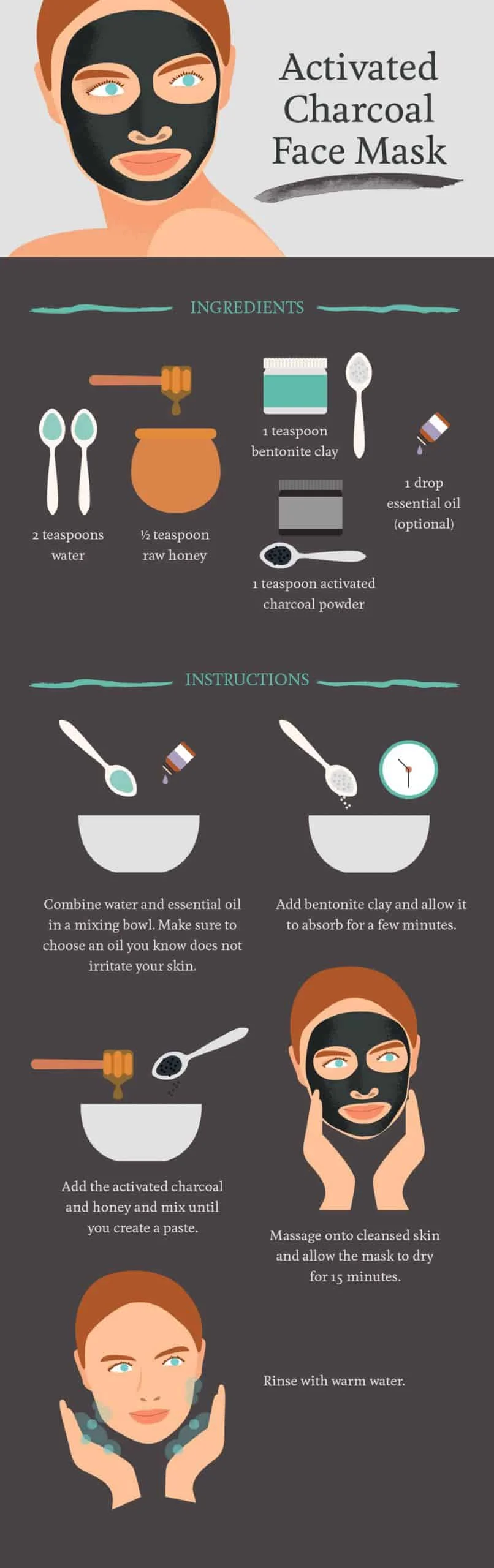
A simple and effective face mask can be made by combining activated charcoal with natural clays like bentonite or kaolin. Mix one teaspoon of activated charcoal powder with two tablespoons of clay, then add enough water or apple cider vinegar to form a paste. Apply the mask evenly to your face, avoiding the eye area, and leave it on for 10 to 15 minutes before rinsing thoroughly with warm water. This mask helps absorb excess oil and impurities, leaving your skin feeling refreshed and cleansed.
Detoxifying Charcoal Cleanser
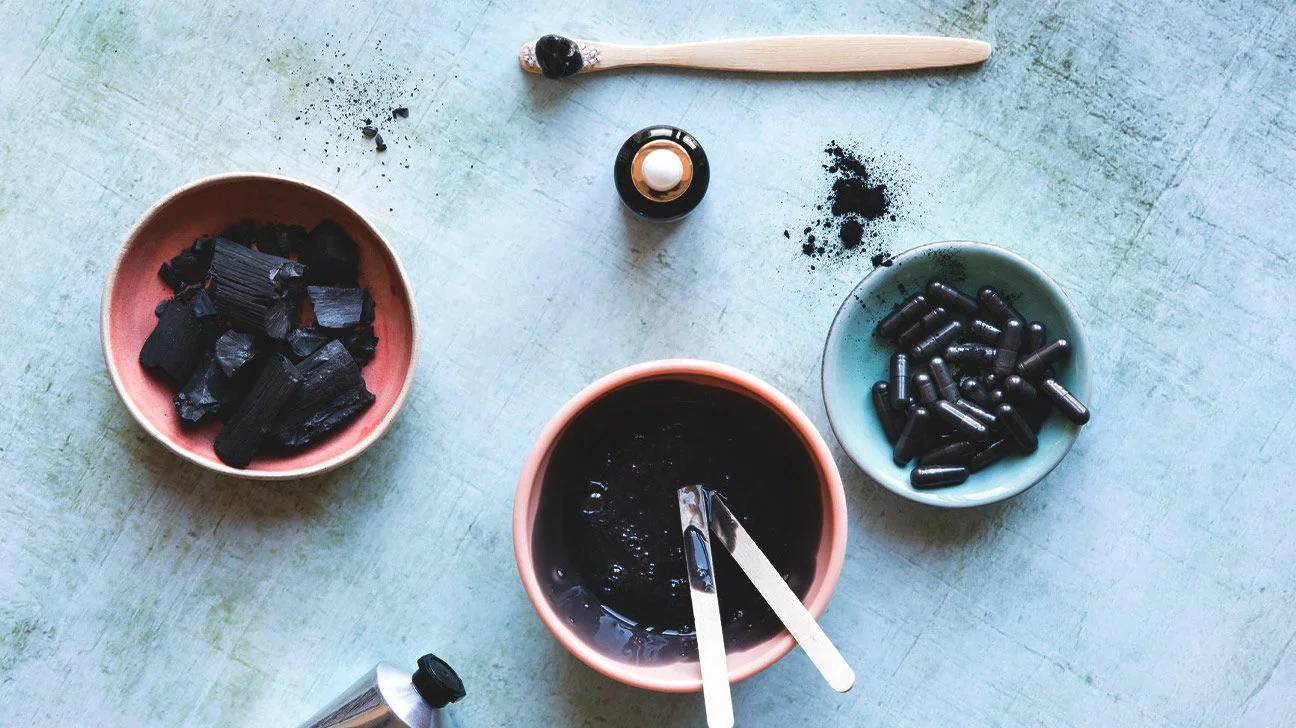
For a daily detoxifying cleanser, blend activated charcoal with gentle surfactants and moisturizing agents. Start by mixing a quarter teaspoon of charcoal powder with a liquid castile soap base and a few drops of nourishing oils like jojoba or almond oil. This combination gives your skin a deep cleanse without stripping it of natural moisture. Use a small amount to wash your face, rinsing thoroughly afterward. The charcoal will help unclog pores and reduce excess oil buildup during regular use.
Post-Application Care and Monitoring
How to Recognize Negative Reactions
After applying activated charcoal skincare products, monitor your skin for any signs of adverse reactions. Common symptoms might include increased redness, itching, burning sensations, or unusual dryness. These reactions indicate that the product may not be suitable for your skin type or that the charcoal concentration is too high. If you experience persistent discomfort or worsening symptoms, it is advisable to stop use immediately and consult a dermatologist if necessary.
When to Discontinue Use
Discontinuing the use of activated charcoal products is important if irritation or allergic responses occur. Even if initial use was successful, skin sensitivity can develop over time. Additionally, overuse of charcoal in skincare can lead to excessive dryness or disruption of the skin’s natural barrier. If your skin becomes overly dry, flaky, or tight, reduce frequency or stop use altogether. Always listen to your skin’s feedback to maintain its health and balance.
Myths and Misconceptions About Activated Charcoal
Activated charcoal is often surrounded by myths that can confuse its users. One common misconception is that it can detoxify the body deeply through skin application, which is scientifically unsupported as the skin is a barrier that limits penetration. Another myth is that activated charcoal will work immediately and drastically change your complexion; in reality, its effects are gradual and supportive rather than miraculous. Understanding these limitations helps set realistic expectations and encourages responsible use within a broader skincare regimen.