Understanding Texture Contrast in Cooking
What Is Texture Contrast?
Texture contrast in cooking is the deliberate combination of different tactile sensations in a dish to create a more engaging eating experience. It’s about pairing elements that feel distinct in your mouth—like crunchy with creamy, or chewy with crispy. This interplay adds excitement to each bite, preventing meals from becoming monotonous.
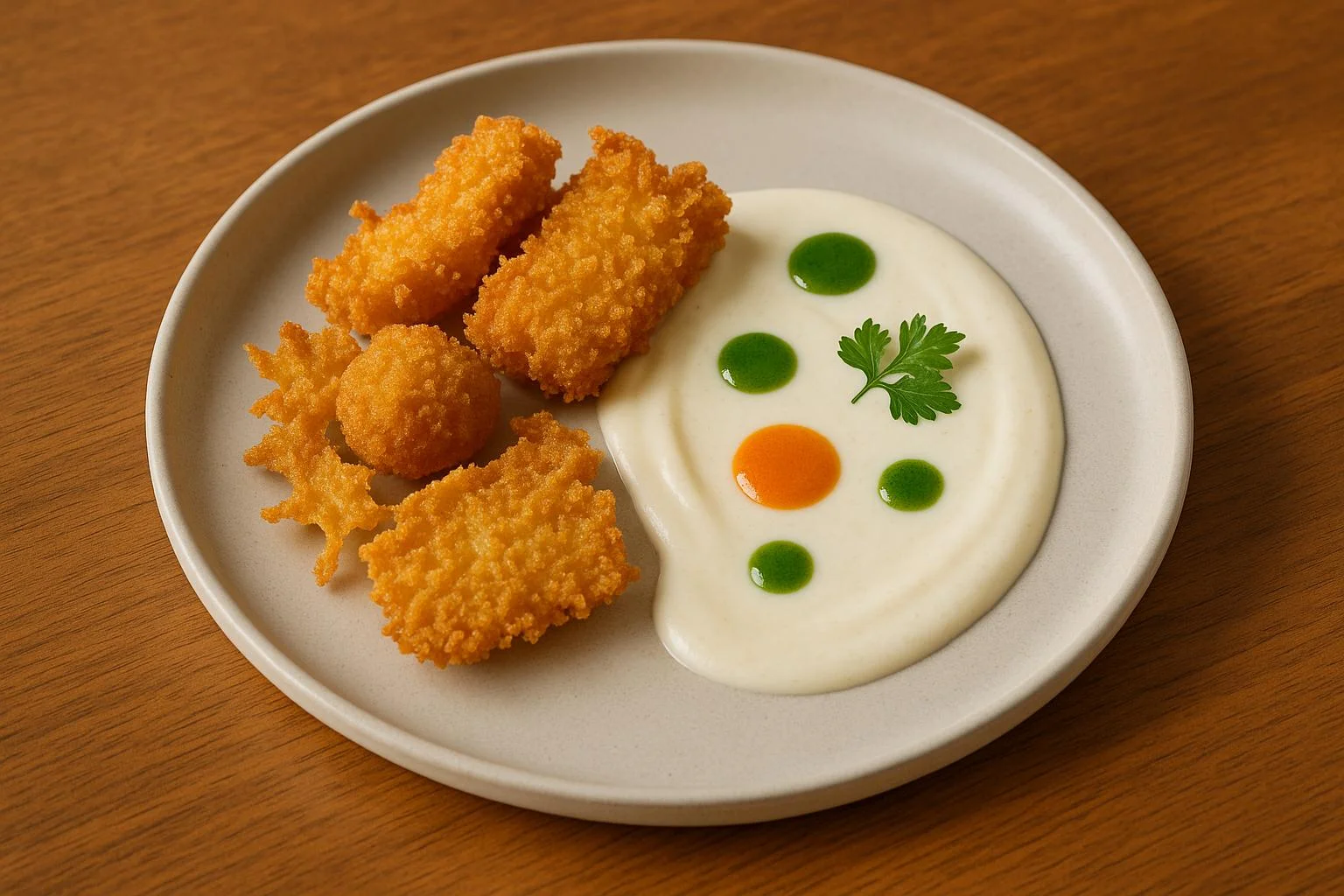
Why Texture Matters in Culinary Experience
The texture of food significantly influences how we enjoy it. Beyond just taste and aroma, texture can evoke different emotions and memories. Think of biting into a crisp apple versus a silky pudding. Both offer pleasure, but in very different ways. By mastering texture contrast, home cooks can turn simple recipes into memorable experiences that delight the senses and keep people coming back for more.
Types of Textures to Incorporate
Crispy and Crunchy Elements
Crispy and crunchy textures add a satisfying snap or crackle, often bringing a lively energy to a dish. Whether it’s toasted breadcrumbs sprinkled over a casserole or freshly fried bacon bits atop a salad, these textures provide an exciting counterpoint to softer ingredients.
Creamy and Smooth Components
Creamy and smooth textures offer a comforting balance to dishes. Think velvety sauces, mashed potatoes, or rich puddings. These elements create a luxurious mouthfeel that contrasts beautifully with anything crisp or chewy.
Chewy and Tender Ingredients
Chewy and tender textures bring a depth of substance to your meals. A perfectly cooked steak, al dente pasta, or slow-cooked root vegetables deliver varied resistance that makes chewing satisfying. They add another layer of interest, especially when paired with crisp or creamy parts.
Practical Tips to Add Texture Contrast
Balancing Soft and Crunchy in Every Bite
Achieving a harmonious balance requires a bit of thought. If your dish is primarily soft—like a stew or risotto—consider topping it with toasted nuts or crispy herbs for that crunch. On the flip side, crispy dishes like fried chicken benefit from creamy dips or sauces to soften the bite and enrich the overall experience. Layering textures keeps each mouthful dynamic and pleasurable.
Using Herbs and Spices to Enhance Texture
Herbs and spices don’t just add flavor; some can also contribute to texture. Fresh herbs like basil or cilantro add a slight crispness, while dried spices can create subtle grittiness when toasted. Experimenting with these elements can upgrade your dishes, giving them both layered taste and tactile intrigue.
Recipes Showcasing Texture Contrast
Crunchy-Edged Pan-Seared Chicken with Silky Sauce
This recipe exemplifies texture contrast with its golden, crispy chicken skin locked in under tender, juicy meat. Serving it alongside a smooth, rich sauce—such as a garlic cream or lemon butter—creates the perfect balance. Each bite begins with a satisfying crunch and finishes with velvety smoothness, showcasing how simple techniques elevate everyday ingredients.
Creamy Risotto with Toasted Nut Topping
Risotto is known for its creamy, luscious texture, but adding toasted nuts like pine nuts or almonds introduces unexpected crunch. The nuts not only provide textural contrast but also add a toasty aroma and flavor that complements the dish beautifully. It’s a straightforward way to infuse complexity without complicating preparation.
Common Texture Mistakes and How to Avoid Them
Overcooking and Losing Texture
One common misstep is overcooking ingredients until they become uniformly mushy or soggy. This mistake flattens texture contrast and diminishes the dish’s appeal. To avoid this, keep an eye on cook times and experiment with timing each component so it retains its ideal texture. For instance, add crunchy toppings at the end rather than cooking them into the dish.
Uniformity vs. Variety
Another pitfall is aiming for uniformity, which can make meals feel bland or boring. While consistency has its place, embracing variety—especially in texture—can dramatically elevate your cooking. Don’t be afraid to mix elements that challenge expectations. That contrast creates interest and can turn simple home meals into culinary highlights.
Conclusion: Elevate Your Meals with Thoughtful Texture Play
Using texture contrast is a powerful and accessible way to make your home-cooked meals more exciting and satisfying. By understanding different textures and how they complement each other, you can transform everyday ingredients into dishes that captivate the senses. Remember, cooking is as much about what you feel as what you taste—so embrace texture, experiment boldly, and enjoy the delicious rewards.