Introduction to Traditional Fermentation
Defining Fermentation and Its Historical Roots
Fermentation is a natural process where microorganisms like bacteria, yeast, and molds break down sugars and other compounds in food, transforming their taste, texture, and nutritional profile. Long before refrigerators and preservatives, early humans discovered fermentation as a way to preserve food and enhance flavors. Archaeological evidence shows fermented foods dating back thousands of years, highlighting the deep historical roots shared by virtually every culture worldwide.

The Role of Fermentation in Human Civilization
In ancient civilizations, fermentation wasn’t just a preservation method; it was a vital part of daily life and survival. For example, in Mesopotamia and Egypt, bread and beer were staples produced through fermentation. These processes allowed communities to store food safely during harsh seasons and created social rituals around consumption. The development of fermentation techniques helped establish food traditions that laid the groundwork for complex societies by ensuring stable food supplies and fostering communal bonds.
Regional Fermentation Practices Across Continents
Asia: From Kimchi to Natto
In Korea, kimchi—a fermented mix of cabbage, radishes, and spices—has been integral for centuries, providing essential vitamins during long winters. The fermentation process develops a unique tangy flavor, reflecting both the climate and local ingredients. In Japan, natto, fermented soybeans with a sticky texture and strong aroma, is a nutritional staple, particularly high in protein and probiotics. These examples demonstrate how Asian fermentation traditions are intertwined with health, seasonality, and indigenous crops.
Europe: The Legacy of Sauerkraut and Cheese
Europe’s cooler climates naturally encouraged fermentation as a preservation technique. Sauerkraut, a fermented cabbage dish, became popular in Germany and Eastern Europe by turning abundant vegetables into shelf-stable food during winter months. Cheese-making in France, Italy, and Switzerland showcases fermentation’s diversity, with local microbes and milk types creating distinct regional flavors—from the pungent Roquefort caves to the creamy textures of Italian mozzarella. These practices not only reflect geography but also pride in regional artisan skills.
Africa: Fermented Grains and Beverages
Across Africa, fermentation is essential for transforming local grains and tubers into staple foods and drinks. For instance, injera in Ethiopia is a sourdough flatbread made from teff flour, relying on natural fermentation for its characteristic spongy texture and tang. Similarly, palm wine and sorghum beers are fermented beverages that play integral roles in social ceremonies and everyday life. These practices exemplify how fermentation utilizes indigenous ingredients, adapting to regional climates and cultural needs.
Americas: Indigenous Fermented Foods
Indigenous peoples in the Americas developed unique fermentation methods long before European contact. In South America, chicha—a fermented corn beverage—was historically consumed in ritual contexts and communal gatherings. Meanwhile, Native North American tribes practiced fermentation of maize and wild berries, preserving these foods for leaner months. These traditions highlight a deep connection to local ecosystems and seasonal cycles, which shaped fermentation as both sustenance and cultural expression.
How Fermentation Reflects Local Environment and Resources
Climate and Microbial Diversity
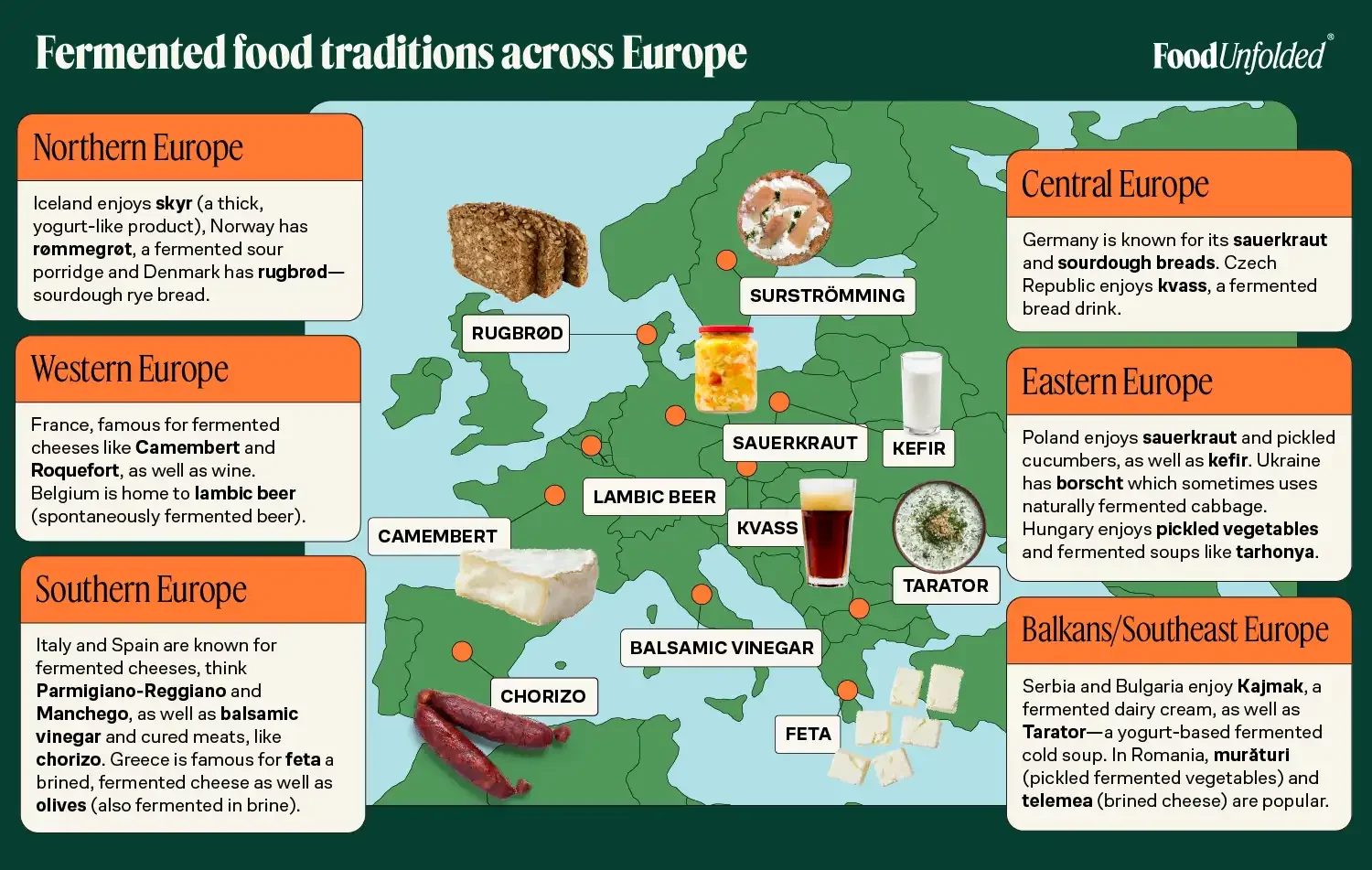
Fermentation styles often evolve in direct response to the local climate, which influences the types of microbes present and how they interact with food. Cooler regions might favor slower fermentations that develop complex flavors over time, while tropical climates promote faster fermentations to prevent spoilage. This microbial diversity creates distinct sensory profiles; for example, the wild yeasts in European cheese caves differ vastly from those found in Asian rice paddies.
Available Raw Materials and Their Influence on Taste
The raw ingredients accessible in a region shape fermentation outcomes more than any other factor. The sour, spicy kimchi relies on napa cabbage and Korean chili that thrive locally, while European cheeses depend on sheep, goat, or cow milk varieties particular to the area. These resource-based differences mean that fermentation is not just a food technique but a living dialogue between people and their surroundings, continuously evolving with agricultural and environmental changes.
Cultural Significance of Fermented Foods
Rituals and Traditions Involving Fermentation
Fermented foods frequently serve ritualistic purposes beyond nutrition. In many societies, preparing and sharing fermented items is embedded in ceremonies marking seasons, life cycles, or religious events. For instance, in Japan, sake brewing involves spiritual rituals believed to purify the process, while in West Africa, fermented millet beers are central to marriage celebrations. These rituals reinforce communal values and continuity through generations.
Fermentation as a Symbol of Community and Identity
Fermentation practices often become powerful identifiers of cultural heritage. Families pass down specific recipes and methods, creating a strong sense of belonging and pride. In South Korea, kimchi-making events called “kimjang” bring communities together to prepare large batches for winter, symbolizing cooperation and shared identity. Such traditions underscore how fermented foods are much more than sustenance—they are living expressions of history and social cohesion.
Modern Revival and Innovation in Traditional Fermentation
Artisanal Movements and Global Popularity
The last decade has seen a renaissance in traditional fermentation techniques, driven by a global desire for authentic flavors and health benefits. Artisanal producers outside original cultural contexts are experimenting with classic recipes, such as kombucha and sourdough bread, bringing these products to new audiences. This revival also sparks curiosity about the origins and stories behind each fermented food, encouraging cross-cultural appreciation.
Challenges and Opportunities in Preserving Techniques
Despite renewed interest, traditional fermentation faces challenges including industrial standardization, loss of indigenous knowledge, and environmental changes affecting microbial communities. Balancing innovation with preservation requires respecting original methods while adapting to modern safety standards and market demands. For example, efforts to document heirloom fermentation recipes combine scientific analysis with oral histories to safeguard this heritage for future generations.
Conclusion: The Future of Fermentation in Global Food Culture
Traditional fermentation techniques continue to shape regional food cultures by linking environment, history, and identity. As modern societies embrace these methods, the challenge lies in maintaining authenticity while innovating to meet contemporary tastes and health needs. Fermentation’s enduring appeal lies in its ability to connect people—across time and borders—through shared experiences of transformation, flavor, and community.