Introduction to Traditional Fermentation Methods
Definition and Historical Context
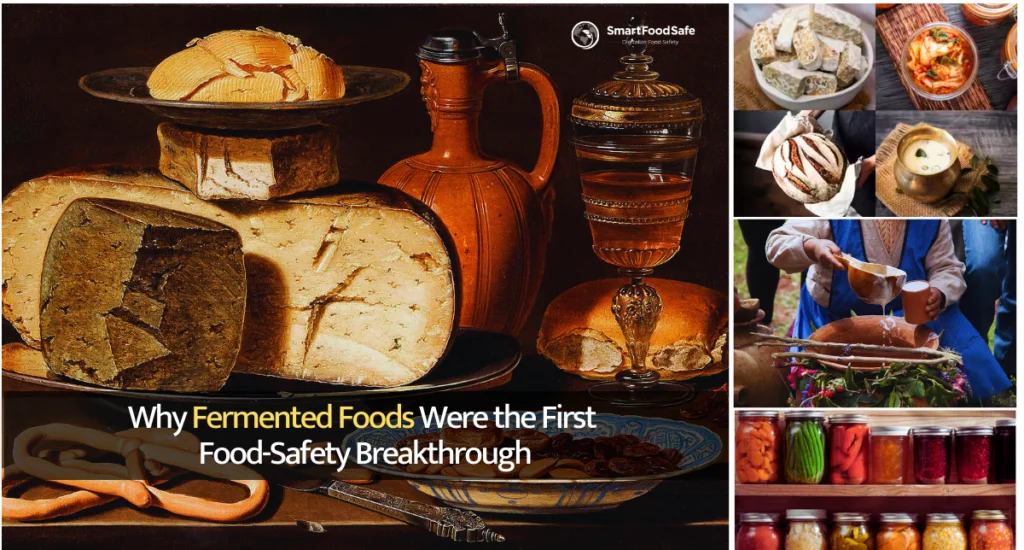
Fermentation is one of humanity’s oldest food preservation techniques, dating back thousands of years. At its core, fermentation involves the transformation of food by microorganisms such as bacteria, yeasts, or molds. This process not only helps preserve food but also often elevates its nutritional value and flavor complexity. Historically, before refrigeration existed, fermentation was essential for extending the shelf life of perishable ingredients, allowing communities to store food safely and enjoy diverse flavors year-round.
Global Significance of Fermentation in Culinary Traditions
Across continents and cultures, fermentation has played a pivotal role in shaping local cuisines. It is not merely a method of preservation but a culinary art form that defines regional tastes. From the sharp tang of European sauerkraut to the deeply umami notes of East Asian miso, fermentation imbues ingredients with distinctive characteristics that reflect local environments and cultural histories. This widespread reliance on fermentation speaks volumes about its importance in human diets and social customs worldwide.
Regional Case Studies: Fermentation and Flavor Development
East Asia: Soy Sauce, Miso, and Kimchi
In East Asia, fermentation is a cornerstone of the culinary landscape. Soy sauce, a staple seasoning with a rich umami flavor, results from fermenting soybeans with specific molds and yeasts. Miso, made by fermenting soybeans with rice or barley, delivers a savory depth that enhances soups and marinades. Meanwhile, kimchi—fermented vegetables, predominantly napa cabbage and radishes—offers a vibrant balance of spicy, sour, and salty flavors. These products are more than just food items; they symbolize cultural identity and culinary craftsmanship passed down for generations.
Europe: Sauerkraut, Cheese, and Sourdough
Europe’s fermentation heritage is equally rich, with examples like sauerkraut, cheese, and sourdough bread showcasing regional diversity. Sauerkraut, fermented cabbage with a tangy bite, is a beloved accompaniment in many Central and Eastern European countries. Cheese-making involves complex microbial activity transforming milk into countless varieties with unique textures and tastes. Sourdough bread, nurtured by wild yeasts and lactic acid bacteria, offers a distinct flavor profile and improved digestibility. These fermented foods not only provide sustenance but also a sense of belonging and tradition.
Africa: Injera and Fermented Cassava
In Africa, fermentation techniques often revolve around staple grains and tubers. Injera, a spongy flatbread from Ethiopia, is made by fermenting teff flour, resulting in a slightly sour flavor and airy texture. Fermented cassava products, common in West and Central Africa, also demonstrate how fermentation ensures food safety by reducing toxins while imparting tangy notes. These practices illustrate the adaptability of fermentation to various raw materials and environments, sustaining communities with nutrient-rich foods.
Latin America: Chicha and Fermented Corn Products
Latin America boasts a rich tradition of fermented corn products. Chicha, a traditional fermented beverage, showcases how fermentation transforms maize into a mildly alcoholic drink with a complex flavor profile. Other fermented corn items, like masa for tortillas, rely on nixtamalization and natural fermentation to enhance flavor and nutritional availability. These foods connect modern-day consumers to ancient indigenous practices and highlight the cultural significance of fermentation in the region.
Scientific Principles Behind Fermentation and Flavor Creation
Microbial Roles in Flavor Formation
The magic of fermentation lies in the diverse microorganisms that orchestrate chemical changes in food. Lactic acid bacteria, yeasts, and molds each contribute enzymes that break down carbohydrates, proteins, and fats, creating new compounds responsible for flavor and aroma. For example, in cheese, molds like Penicillium produce characteristic tastes, while yeast-driven fermentations generate alcohols and esters that enrich flavor profiles. Understanding these microbial roles reveals why different fermented foods develop such varied and sometimes complex sensory experiences.
Chemical Transformations Enhancing Taste and Aroma
During fermentation, molecules like sugars and amino acids undergo transformation, resulting in compounds such as organic acids, alcohols, and carbon dioxide. These chemical processes not only influence taste—imparting sourness, sweetness, or umami—but also improve aroma and texture. The acidity created by fermentation acts as a natural preservative, while the breakdown of proteins releases peptides that can enhance savory notes. These biochemical changes explain how simple raw ingredients become flavor powerhouses through fermentation.
Cultural Impact of Fermentation on Regional Cuisines
Tradition and Identity in Fermented Foods
Fermented foods often carry stories of heritage, community, and identity. They are more than just recipes; they are symbols of cultural expression and continuity. Families and communities bond over shared fermentation practices, preserving ancient methods that link past generations to the present. Celebrations and rituals frequently incorporate fermented dishes, highlighting their integral role beyond nutrition—connecting people to their roots and environments.
Transmission of Techniques Across Generations

Fermentation techniques are typically passed down orally or through hands-on teaching, emphasizing the importance of experience and intuition. This knowledge transfer keeps traditions alive and adapts them subtly over time to new conditions or tastes. The continuity of these methods safeguards biodiversity in fermentation cultures and encourages culinary innovation within a cultural framework. Losing these techniques would mean losing a vital part of cultural heritage.
Modern Adaptations and Revival of Traditional Fermentation
Contemporary Culinary Trends Inspired by Fermentation
In recent years, there has been a global resurgence of interest in fermented foods, driven by both health benefits and flavor exploration. Chefs and home cooks alike are experimenting with ancient fermentation techniques to create novel dishes or reinvent classic ones. This revival blends scientific understanding with tradition, leading to exciting culinary innovations that appeal to modern palates while respecting time-honored processes.
Challenges and Innovations in Preserving Traditional Practices
Despite the growing popularity, preserving traditional fermentation methods faces challenges such as industrialization, loss of biodiversity, and changing lifestyles. Modern food safety regulations can also complicate traditional practices. However, innovations like controlled fermentation environments and starter cultures help maintain authenticity while ensuring safety. Efforts to document and educate about these methods are crucial for their survival, ensuring that future generations can continue to enjoy and learn from fermentation’s rich legacy.