The Roots of Traditional Fermentation
Historical Overview of Fermentation Practices
Fermentation is one of the oldest methods humans have used to preserve and enhance food. Long before refrigeration, our ancestors discovered that allowing natural microorganisms to transform raw ingredients could extend shelf life and improve edibility. This process emerged independently in various cultures, often by chance, and gradually evolved as techniques were refined and passed down through generations. Early fermentation was not only a preservation method but also a way to harness flavors and nutritional benefits that raw foods could not provide.
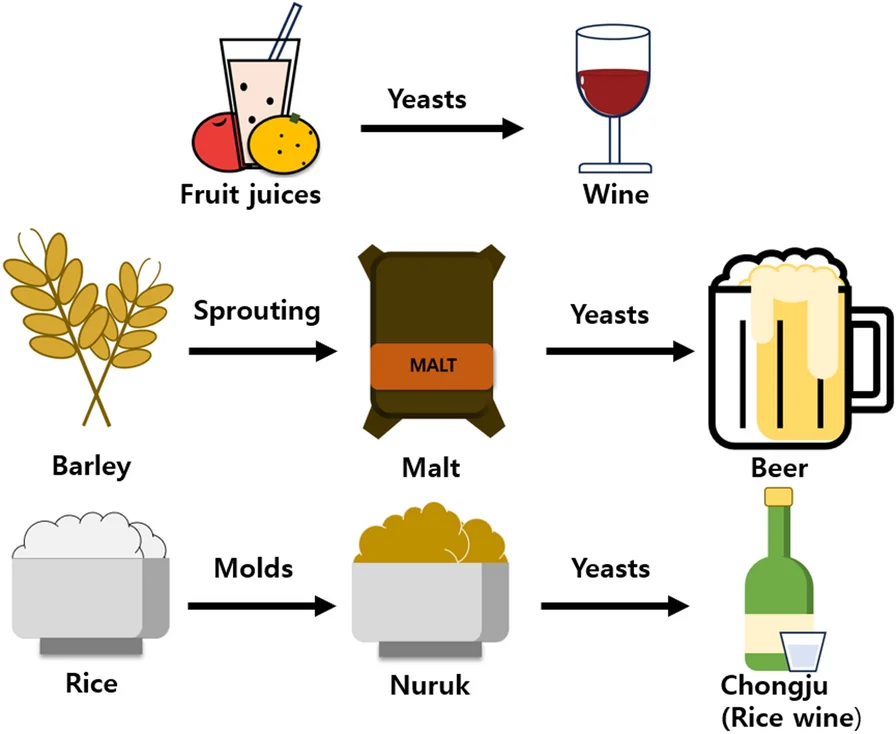
Role of Natural Microorganisms in Early Food Preservation
The success of fermentation relies heavily on naturally occurring bacteria, yeasts, and molds. These microorganisms convert sugars and starches into acids, alcohols, or gases, creating an environment that inhibits spoilage-causing pathogens. Early fermenters did not fully understand the science but recognized the unique taste and texture changes that resulted. This symbiotic relationship between humans and microbes formed the foundation for many traditional fermented foods, highlighting the critical role of natural microbes before the advent of modern food science.
Impact on Regional Food Profiles
Fermented Foods as Cultural Markers
Fermented foods uniquely express the identity and culture of their regions. They reflect local climate, available ingredients, and traditional customs. These foods often become symbolic, carrying stories and ritual functions important to communities. Because fermentation adapts to environmental factors, it creates distinct flavors that are impossible to replicate precisely elsewhere. As a result, fermented products act as edible cultural markers, linking people to their heritage through taste and tradition.
Examples of Iconic Regional Fermented Dishes
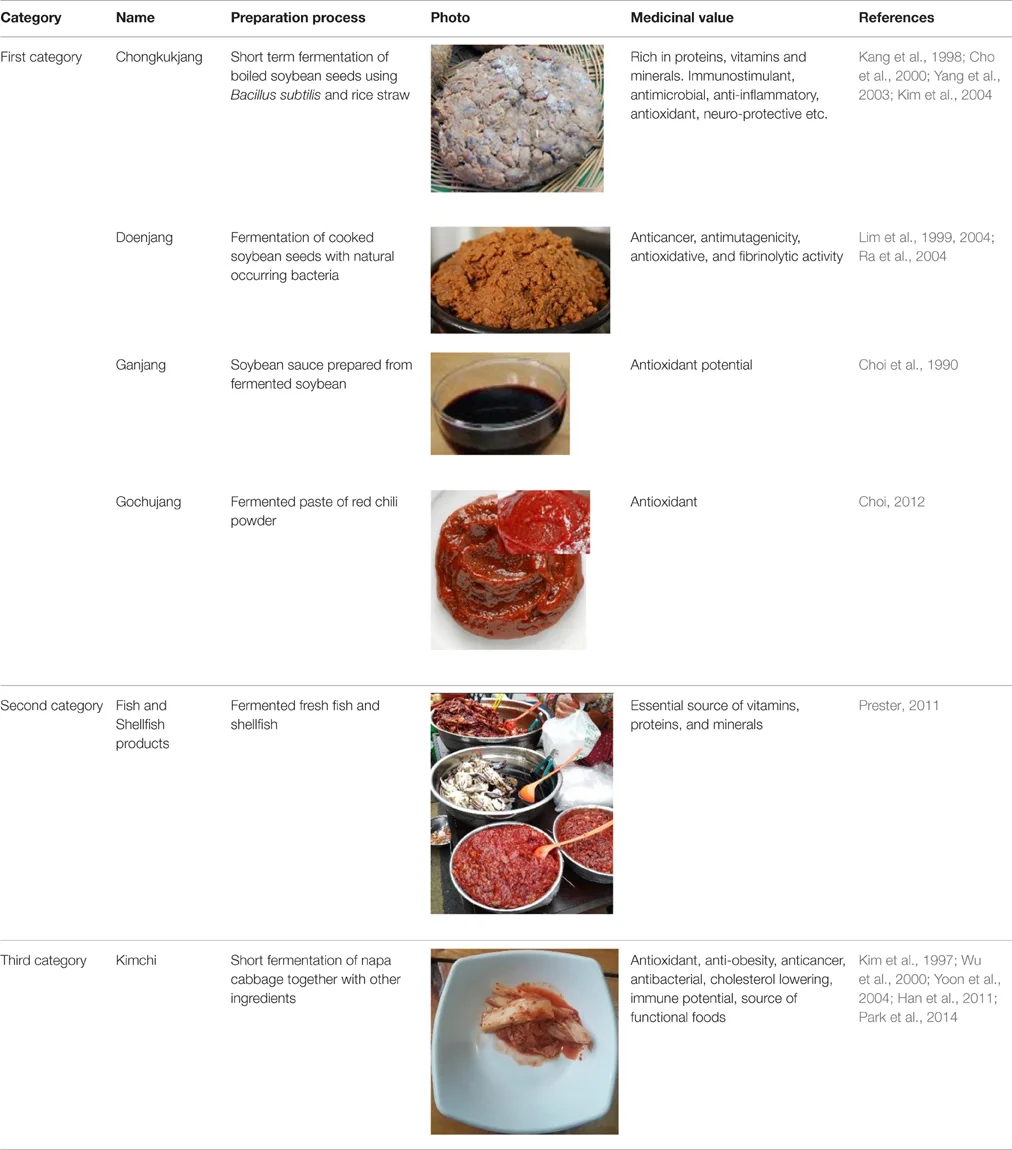
From the pungent kimchi of Korea to the sour tang of German sauerkraut, fermented dishes vary widely yet share a common heritage. In Japan, miso paste and soy sauce form essential culinary bases, whereas in the Mediterranean, fermented olives and cheeses define regional flavors. These iconic foods are not only staples but also sources of pride that embody centuries of culinary evolution. Their continued presence in diets worldwide highlights the lasting influence of traditional fermentation techniques on regional gastronomy.
Techniques Across Continents
Asia: Soy Sauce, Kimchi, and Beyond
In Asia, fermentation techniques are deeply embedded in everyday cooking. Soy sauce, produced through the fermentation of soybeans and wheat, offers a complex umami flavor integral to many dishes. Kimchi, a spicy fermented cabbage from Korea, demonstrates how fermentation can combine preservation with bold sensory profiles. Moreover, fermented rice, fish sauces, and other vegetable ferments contribute to the diversity of Asian cuisine, showcasing different microbial roles and fermentation durations across cultures.
Europe: Sauerkraut and Cheese Varieties
European fermentation traditions focus heavily on vegetables and dairy. Sauerkraut, fermented cabbage popular in Central Europe, develops a distinctive sourness that brightens meals. Cheese-making, a sophisticated fermentation process, varies widely from soft bries to hard aged varieties depending on bacterial cultures and maturation. These fermentation practices arose in response to climatic conditions and agricultural availability, ultimately shaping regional diets while supporting food security through preservation.
Americas: Chicha and Other Indigenous Fermented Drinks
The Americas have rich fermentation legacies often centered around indigenous ingredients such as maize, yuca, and fruits. Chicha, a fermented corn beverage, exemplifies how native peoples utilized fermentation for nutrition and ceremonial purposes. Other fermented drinks and foods prepared by indigenous groups reveal diverse microbial interactions and regional adaptations. These traditional practices survived colonization and modernization, representing resilient cultural heritage linked to fermentation.
Flavor Development Through Fermentation
Biochemical Processes Behind Taste Enhancement
Flavor development in fermentation arises from complex biochemical reactions. As microbes metabolize sugars and proteins, they produce organic acids, alcohols, esters, and amino acids that enhance umami, sourness, and aromatic qualities. This transformation not only preserves but also intensifies flavors that raw ingredients alone lack. Understanding these processes explains why fermentation can turn simple bases into richly flavored foods prized worldwide.
How Fermentation Influences Texture and Aroma
Besides taste, fermentation profoundly impacts texture and aroma. The breakdown of cell walls softens vegetables and enhances moisture content, while gas production can create bubbles and lightness in bread and beverages. Aroma compounds formed during fermentation contribute to recognizable scents, from the tangy sharpness of yogurt to the earthy bouquet of aged cheese. These sensory changes make fermented foods complex and appealing, adding a sensory depth that defines regional cuisines.
The Revival of Traditional Fermentation in Modern Cuisine
Artisanal and Slow Food Movements
Recent years have witnessed a resurgence of interest in traditional fermentation through artisanal and slow food movements. This revival stems from a desire to reconnect with heritage, support sustainable practices, and produce food with authentic flavors. Chefs and home fermenters alike embrace slow fermentation techniques to create unique products that stand apart from industrially processed foods. This trend underscores how ancient methods remain relevant by offering depth and diversity in contemporary diets.
Health Benefits Driving Contemporary Interest
Modern science has highlighted the health benefits associated with fermented foods, fueling renewed enthusiasm. Probiotics, improved digestion, and enhanced nutrient availability are among the advantages that make fermentation attractive beyond taste alone. This understanding encourages mindful consumption and incorporation of fermented products into balanced diets. However, ensuring proper fermentation techniques is crucial to avoid contamination and maximize benefits, emphasizing the importance of respecting traditional knowledge alongside scientific insight.