Introduction to Maillard Reactions in Cooking
What Are Maillard Reactions?
The Maillard reaction is a chemical process that occurs when amino acids and reducing sugars interact under heat, creating complex flavors and appealing brown colors in cooked foods. This reaction is responsible for the distinctive taste and aroma found in seared meats, toasted bread, and roasted coffee. Unlike caramelization, which involves only sugar, the Maillard reaction combines proteins and sugars, leading to a rich variety of flavor compounds.
The Science Behind the Flavor Development
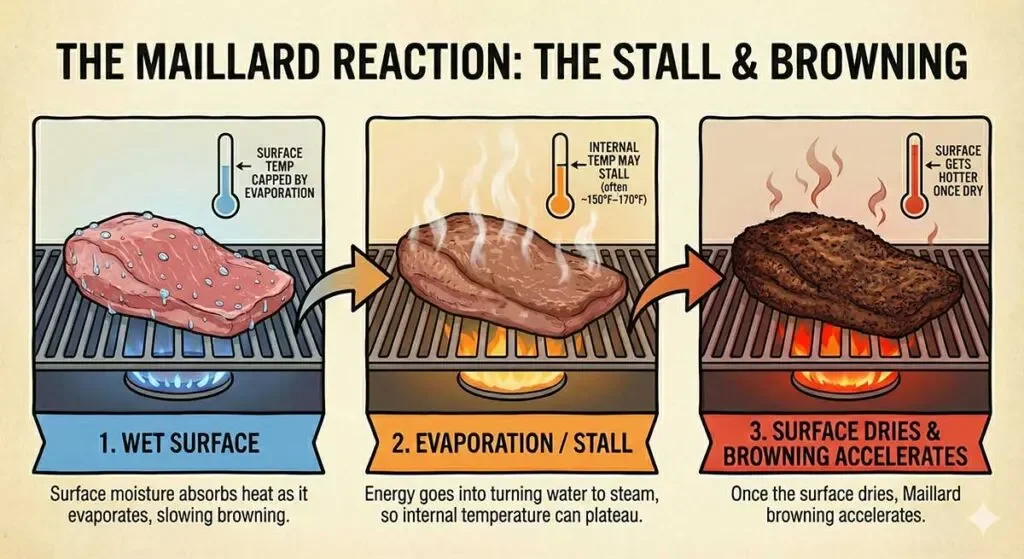
When heat is applied, the proteins and sugars in food molecules begin to interact and break down. This interaction produces a vast array of new compounds that contribute to the food’s taste, aroma, and color. The process typically starts around 285°F (140°C) and intensifies as the temperature rises. Understanding this science allows home cooks to manipulate heat and ingredients to maximize flavor and achieve that perfect golden-brown crust on a variety of dishes.
The Role of Maillard Reaction in Different Cooking Methods
Grilling and Searing
Grilling and searing are techniques that expose food to high, direct heat, which is ideal for triggering the Maillard reaction. The intense surface heat quickly evaporates moisture, allowing the reaction to take place and develop a flavorful crust. Whether you are grilling a steak or searing a piece of chicken, the Maillard reaction enhances the taste by adding smoky and savory notes that elevate the eating experience.
Baking and Roasting
Baking and roasting rely on dry heat over a prolonged period, making them excellent for Maillard browning. These methods slowly brown the exterior of meats, vegetables, and baked goods. For instance, roasting a whole chicken results in a crispy, browned skin where the Maillard reaction has occurred, enhancing both texture and flavor. Similarly, baked breads develop a golden crust that is highly prized for its taste and appearance.
Sautéing and Frying
Sautéing and frying immerse food in hot fat, providing an even surface temperature that encourages Maillard reactions. The fat not only helps distribute heat but also adds richness. As food cooks in the pan, the surface undergoes browning, producing nutty and caramelized notes. This is why sautéed vegetables and fried foods often have a more complex flavor profile compared to boiling or steaming.
Key Factors Influencing Maillard Reactions
Temperature and Time
Temperature plays a pivotal role in triggering the Maillard reaction. It typically begins around 285°F (140°C) and accelerates with increasing heat. However, if the temperature is too low, the reaction is slow, and flavors won’t fully develop. Conversely, excessively high heat can cause burning or bitter tastes. Time is equally important; even at optimal temperatures, adequate cooking time is necessary to allow the reaction to unfold and deepen flavors.
pH Levels and Ingredients
The pH level of food influences the rate and intensity of the Maillard reaction. Slightly alkaline conditions, such as those created by adding baking soda, can speed up the process, enhancing browning and flavor development. Ingredients rich in proteins and reducing sugars serve as the foundation for Maillard chemistry. For example, meats, dairy, and flour all contain amino acids and sugars that interact during cooking.
Moisture Content
Moisture acts as both a facilitator and barrier to Maillard reactions. While some water is necessary for heat transfer, excess moisture can inhibit browning by keeping food temperatures below the necessary threshold. This is why patting food dry before cooking, or choosing dry cooking methods, often leads to better browning and richer flavors. Managing moisture carefully helps to strike the right balance for ideal Maillard outcomes.
Practical Tips to Maximize Maillard Reactions at Home
Choosing the Right Ingredients
Selecting foods with a good balance of proteins and naturally occurring sugars is crucial. Fresh meats, whole grains, and starchy vegetables tend to perform well thanks to their composition. Additionally, seasoning with ingredients that slightly raise pH, like baking soda or alkaline salts, can promote faster browning and enhanced flavors. Paying attention to ingredient freshness and quality also impacts the depth of the Maillard reaction.
Cooking Techniques for Optimal Browning
To maximize the Maillard reaction, it’s important to use cooking methods that expose food surfaces to dry heat and maintain temperatures high enough for browning. Techniques such as searing on a hot pan, roasting uncovered, or grilling provide the necessary conditions. Before cooking, ensure surfaces are dry by patting with paper towels, and avoid overcrowding pans to prevent steaming, which can impede the reaction. Adjust cooking times to balance thorough cooking with ideal browning.
Common Mistakes to Avoid
A prevalent misstep is starting with food that is too wet. Excess moisture lowers surface temperature, causing foods to steam rather than brown. Another common error is using heat that is too low or cooking for too short a time, which prevents flavors from fully developing. Additionally, continuously stirring or flipping food can interrupt the reaction by lowering the temperature at the contact surface. Avoiding these pitfalls ensures better results.
Recipes That Showcase Maillard Reactions Perfectly
Seared Steaks
Seared steaks are perhaps the quintessential example of Maillard reactions in cooking. By heating a dry, well-seasoned steak in a hot pan or on a grill, the surface quickly browns and forms a flavorful crust, while the interior remains tender. The contrast between the savory crust and the juicy interior exemplifies the reaction’s impact on flavor and texture.
Caramelized Vegetables
Vegetables such as onions, carrots, and Brussels sprouts showcase Maillard reactions when slowly cooked over medium heat to develop deep, sweet, and complex flavors. The process transforms raw vegetables into rich-tasting dishes with golden-brown edges, proving that the reaction isn’t limited to meats alone.
Toasted Breads and Crusty Baked Goods
Toasted breads and baked goods owe much of their appeal to Maillard browning. The crust of artisanal bread, with its crunchy texture and nutty aroma, results from prolonged exposure to dry heat that triggers the reaction. Toasting further enhances this effect, amplifying flavor and making bread more satisfying to eat.
Conclusion: Elevating Your Culinary Skills Through Maillard Chemistry
Understanding the Maillard reaction unlocks a new dimension in home cooking, allowing you to intentionally enhance flavors and textures. By grasping the science behind browning and applying practical techniques, you can consistently create dishes with rich, complex tastes that impress. Paying attention to temperature, moisture, pH, and ingredient selection helps avoid common mistakes and make the most of this powerful culinary process. Ultimately, mastering Maillard chemistry brings your cooking from ordinary to extraordinary, elevating both enjoyment and skill in the kitchen.