Introduction to Cooking Oils
What Are Cooking Oils?
Cooking oils are fats extracted from plants, seeds, or animals, commonly used in food preparation. They serve as the foundation for sautéing, frying, baking, and even dressings. Beyond their functional role, oils contribute to a dish’s flavor, texture, and nutritional value. Different oils come with varied tastes and chemical compositions, making it essential to choose the right one for your cooking needs.

Why Choice of Oil Matters: Flavor and Nutrition
The type of cooking oil you select can transform a meal from ordinary to extraordinary. Some oils bring subtle, nutty undertones, while others remain neutral, letting your ingredients shine. More importantly, oils carry distinct health benefits and risks depending on their fat profiles and how they react to heat. Understanding these nuances helps you optimize both taste and well-being in your kitchen.
Classification of Cooking Oils
Vegetable Oils vs. Animal-Based Oils
Cooking oils generally fall into two broad categories: vegetable-based and animal-based oils. Vegetable oils are derived from seeds, nuts, or fruits such as olives, canola, or avocados. These are usually higher in unsaturated fats, which tend to support heart health. Animal-based oils, like butter or lard, are rich in saturated fats and often impart a distinct flavor but are more sensitive to heat and may raise cholesterol when consumed excessively.
Saturated, Monounsaturated, and Polyunsaturated Fats Explained
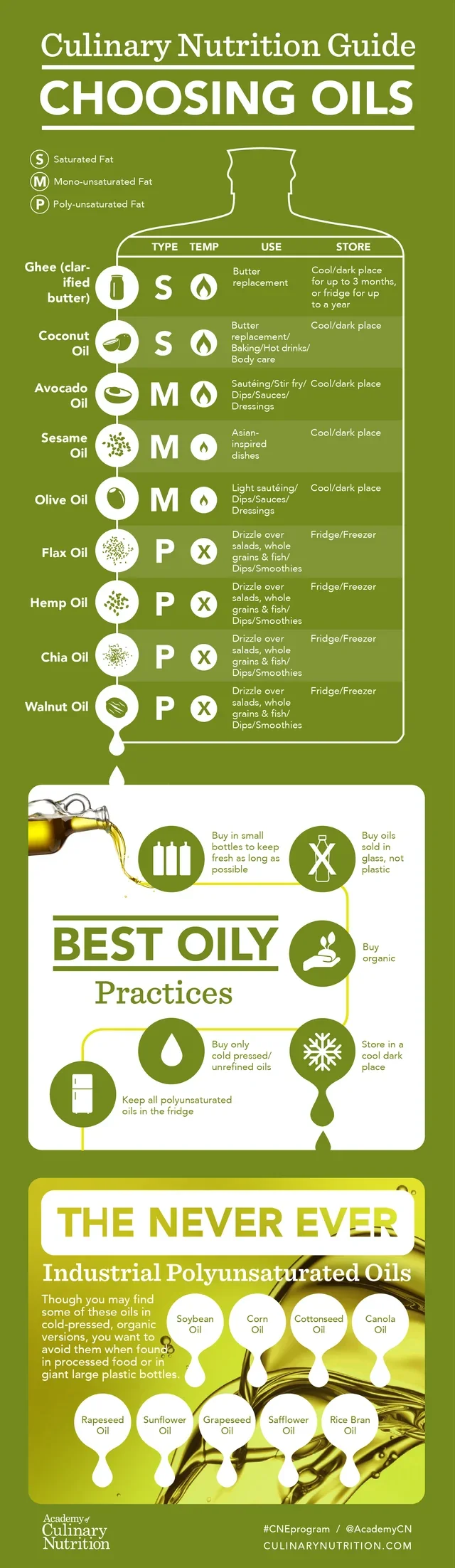
The fats in cooking oils are grouped by their chemical structure. Saturated fats are typically solid at room temperature and found mainly in animal products and tropical oils. Monounsaturated fats, found in olive and avocado oils, are heart-friendly and stable for medium heat cooking. Polyunsaturated fats, which include omega-3 and omega-6 fatty acids, are essential but more sensitive to heat, making them better suited for dressings or low-heat cooking.
Popular Cooking Oils and Their Characteristics
Olive Oil: Varieties and Best Uses
Olive oil is a kitchen staple known for its rich flavor and health benefits. Extra virgin olive oil, cold-pressed from olives, retains the most antioxidants and is best used in dressings or gentle sautéing. Regular olive oil has a higher smoke point, making it suitable for roasting and moderate frying. Its fruity, peppery notes can elevate Mediterranean dishes beautifully.
Canola Oil: A Neutral but Nutritious Option
Canola oil is prized for its neutral flavor and versatility. It boasts a good balance of monounsaturated and polyunsaturated fats and is low in saturated fat. This oil works well for frying, baking, and stir-frying because it doesn’t overpower other ingredients. For those looking to maintain heart health without sacrificing cooking flexibility, canola oil is a reliable choice.
Avocado Oil: The Nutrient Powerhouse
Avocado oil has surged in popularity due to its high monounsaturated fat content and impressive smoke point. Its buttery flavor adds depth to dishes without overwhelming them. Beyond flavor, it offers vitamin E and antioxidants, supporting skin health and reducing inflammation. Avocado oil handles high-heat cooking exceptionally well, making it perfect for grilling or searing.
Coconut Oil: Flavor Profile and Nutritional Considerations
Coconut oil is unique for its tropical scent and solid form at room temperature owing to its high saturated fat content. It adds a distinctive, slightly sweet flavor that pairs well with Asian and baked goods. However, because of its saturated fat profile, it’s best consumed in moderation, especially by those monitoring cholesterol. It’s stable under heat, so it suits frying and roasting but may not fit every recipe.
Specialty Oils: Sesame, Walnut, and Flaxseed
Specialty oils like sesame, walnut, and flaxseed offer bold flavors alongside nutritional perks. Sesame oil, with its nutty aroma, shines in stir-fries and dressings. Walnut oil lends a rich, earthy note to salads but has a low smoke point, so avoid heating it. Flaxseed oil is packed with omega-3s and works best drizzled over finished dishes to preserve its delicate nutrients. These oils enrich your culinary repertoire but require mindful use.
Health Benefits and Potential Risks
Heart Health and Cooking Oils
Choosing the right oil can influence cardiovascular health significantly. Oils high in monounsaturated and polyunsaturated fats support healthy cholesterol levels and reduce inflammation. Conversely, excessive consumption of saturated and trans fats has been linked to heart disease. Balancing oil types and using them in moderation is key to reaping health benefits without added risks.
Smoke Points and Their Impact on Oil Stability
The smoke point of an oil is the temperature at which it begins to break down and produce harmful compounds. Using oils beyond their smoke points can diminish flavor and generate toxins. For high-heat cooking, opt for oils with high smoke points like avocado, refined olive, or canola oils. Oils with low smoke points, such as flaxseed or extra virgin olive oil, are best reserved for cold or low-heat applications.
Selecting the Right Oil for Different Cooking Methods
Sautéing, Frying, and Stir-Frying
High-heat cooking methods require oils that remain stable under intense temperatures. Avocado oil and refined canola oil are excellent for frying and stir-frying due to their high smoke points. For sautéing, you have more flexibility: olive oil works well at moderate heat, imparting a flavorful touch. Avoid delicate oils here, as overheating them compromises taste and nutrition.
Baking and Roasting
Baking and roasting often involve moderate to high oven temperatures. Neutral oils like canola or light olive oil blend seamlessly into baked goods without altering flavor. Coconut oil’s solid consistency adds moistness and subtle sweetness to cakes and cookies. For roasting vegetables, sturdy oils such as avocado or regular olive oil help develop caramelization while holding up well under heat.
Dressings and Marinades
For dressings and marinades, flavor and nutrition take center stage. Extra virgin olive oil is a classic choice, contributing richness and antioxidants. Walnut and flaxseed oils add complex, nutty flavors and omega-3 fats but should never be heated. These oils transform simple salads into gourmet experiences while delivering healthy fats efficiently.
Storage Tips to Preserve Flavor and Nutrition
Light, Temperature, and Container Considerations
Proper storage is vital to maintaining cooking oils’ freshness and benefits. Exposure to light and heat accelerates oxidation, causing oils to turn rancid and lose nutritional value. Store oils in cool, dark places, preferably in tightly sealed, opaque containers. Refrigeration can extend shelf life, especially for specialty oils like walnut and flaxseed, which are prone to spoilage.
Conclusion: Balancing Taste and Health Through Smart Oil Choices
Understanding the diverse world of cooking oils empowers you to enhance your culinary creations thoughtfully. By considering flavor profiles, nutritional content, and cooking techniques, you can select oils that both delight your palate and support your health. Remember, moderation and proper storage go hand in hand with smart oil choices, ensuring every meal is delicious and nourishing.