Introduction to Authentic Cultural Food Experiences at Home
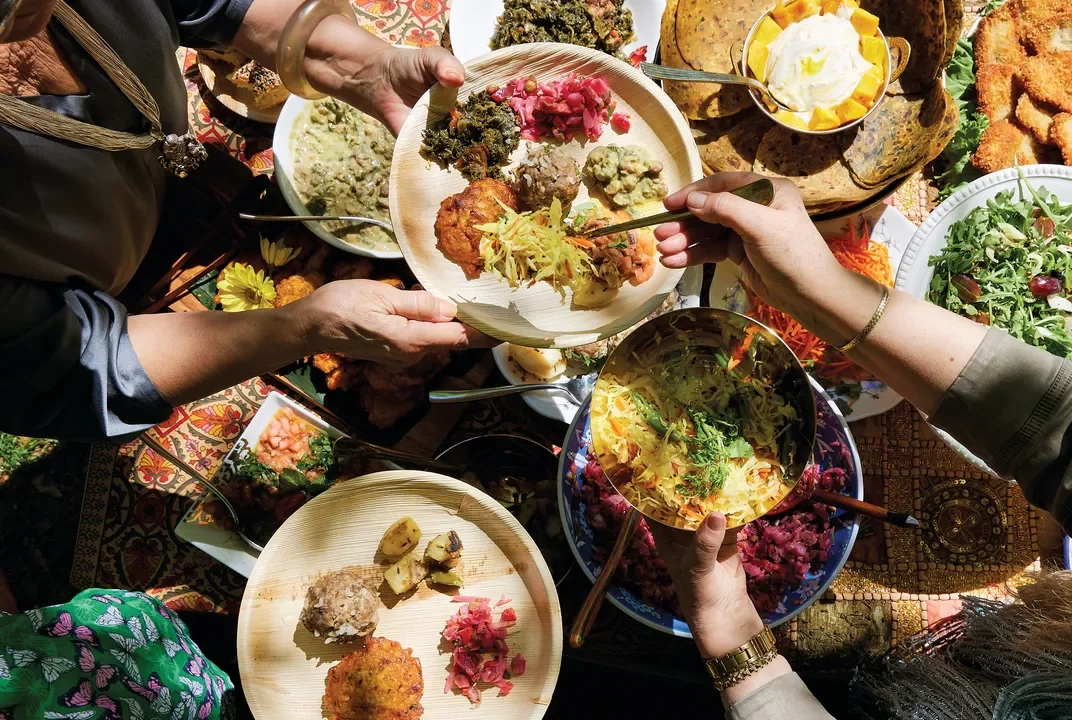
Hosting an authentic cultural food experience at home is an enriching way to explore diverse traditions and deepen appreciation for global cuisines. It allows for more than just tasting new flavors—it offers a chance to immerse yourself and your guests in the stories, history, and customs that shape each dish. By recreating these experiences in your own kitchen and dining space, you open a window into another world without leaving home.
Why Hosting Cultural Food Events Matters
Food is a universal language that connects people across cultures. Hosting cultural food events nurtures understanding and respect for different traditions, breaking down barriers and fostering empathy. Beyond the social benefits, it enhances culinary skills, encourages curiosity, and promotes cultural preservation. Especially in a world increasingly connected yet often divided, these gatherings offer meaningful opportunities to celebrate diversity and build community.
Overview of Key Elements for Authenticity
Achieving authenticity involves more than just replicating recipes. It requires attention to the origins of dishes, the atmosphere in which they are traditionally enjoyed, and how they are served and shared. Key elements include selecting genuine ingredients, understanding traditional cooking techniques, and recreating cultural ambiance through decor, music, and ceremony. Each step contributes to an experience that resonates beyond the palate, making the food come alive in its cultural context.
Choosing the Right Culture and Cuisine
Researching Traditional Dishes and Their Origins
Begin by selecting a culture that genuinely interests you or holds personal significance. Thorough research into its traditional dishes is essential—not only their ingredients but also their history and cultural symbolism. Understanding why certain foods are favored during festivals, seasons, or daily meals informs respectful and meaningful menu choices, ensuring that your event honors these traditions rather than merely mimicking them.
Considering Seasonal and Local Ingredient Availability
Authenticity is also influenced by the freshness and availability of ingredients. While some traditional components might be rare or hard to find, adapting the menu to reflect seasonal and local produce helps maintain the spirit of the cuisine. This approach not only supports sustainability but also keeps flavors vibrant and true to the essence of the dishes. When substitutions are necessary, thoughtful choices that respect the original flavor profile are key.
Creating an Immersive Atmosphere
Decor Ideas Rooted in Cultural Traditions
Setting the scene begins with decor that reflects the chosen culture’s aesthetics. Research typical dining environments and incorporate elements such as textiles, tableware, and colors representative of that culture. Even small details, like traditional table settings or handmade crafts, can dramatically enhance the sense of place and occasion, making guests feel they have stepped into a different world.
Incorporating Music, Dress, and Customs
To deepen immersion, integrate music native to the culture, whether live or carefully selected recordings. Encouraging guests or hosts to dress in traditional attire adds an engaging visual dimension. Additionally, include cultural customs such as greetings, toasts, or rituals linked to meals. These practices invite participation and respect, transforming the event into an interactive and memorable encounter.
Step-by-Step Guide to Planning Your Menu
Selecting Signature Dishes and Complementary Sides
Start by choosing one or two cornerstone dishes that showcase the cuisine’s unique flavors and techniques. Complement these with appropriate side dishes that balance texture and taste. This selection should reflect a harmonious meal structure, just as it would be enjoyed in its native context. Avoid overloading the menu to maintain focus on quality and authenticity.
Balancing Flavors and Dietary Restrictions
Consider the flavor profiles typical of the cuisine—whether spicy, sweet, sour, or savory—and aim for balance to create an enjoyable dining experience. At the same time, be mindful of your guests’ dietary needs and preferences. Offering alternatives or modifications that do not compromise the essence of the dishes demonstrates thoughtfulness and inclusivity.
Sourcing Authentic Ingredients and Substitutions
Track down specialty markets, import stores, or trusted online suppliers for authentic ingredients. When certain items are unavailable, research suitable substitutions that preserve key flavors. For example, specific spices may be replaced by blends that approximate the original taste. Documenting these choices helps maintain consistency for future events.
Cooking Techniques for Genuine Cultural Flavors
Traditional vs. Modern Cooking Methods
Understanding whether traditional cooking techniques—such as slow roasting over an open flame, fermenting, or grinding spices by hand—are feasible at home helps determine how authentic your preparation can be. Modern kitchen tools can sometimes replicate these methods with adjustments, but preserving the spirit of the original techniques often leads to more genuine flavors and textures.
Tips for Mastering Unique Spices and Marinades
Many cultural cuisines depend heavily on specific spice blends and marinades that define their taste. Experimenting with correct measurements and timing is crucial, as overuse or underuse can drastically alter flavor. Practice and patience are necessary to master these nuances, and starting with small batches can help refine your approach before cooking for guests.
Engaging Your Guests in the Experience
Interactive Cooking or Serving Practices
Invite guests to participate in parts of the cooking process or serving style when culturally appropriate. For example, communal dishes that are assembled at the table or shared platters encourage interaction and replicate traditional dining formats. This involvement makes the meal more dynamic and educational, fostering a deeper connection to the food and culture.
Sharing Cultural Stories Behind the Food
Enhance the experience by narrating the origins, festivals, or legends associated with the dishes. Sharing these stories adds layers of meaning and context, transforming the meal into an enlightening cultural journey. Research well beforehand to provide accurate and respectful information that honors the culture’s heritage.
Final Touches and Presentation
Plating and Serving Styles
The way food is presented can echo traditional methods and elevate the dining experience. Whether it’s rustic communal platters or elegant individual portions, align your plating style with cultural norms. Attention to detail in garnishes and arrangement conveys respect for the cuisine and enhances visual appeal.
Pairing with Traditional Beverages
Complementing your meal with traditional beverages—be it tea, wine, fermented drinks, or non-alcoholic options—rounds out the culinary experience. Proper pairings balance flavors and enrich the meal’s cultural authenticity. Take time to learn about customary drink choices and serving customs to complete the setting.
Conclusion: Embracing Cultural Diversity Through Food
Hosting authentic cultural food experiences at home is a rewarding way to celebrate diversity, broaden culinary horizons, and foster connections among friends and family. By thoughtfully researching, preparing, and presenting these traditions, you create meaningful experiences that honor heritage and invite curiosity. Ultimately, food becomes a powerful bridge that unites people across cultures, reminding us that shared meals can tell stories of humanity itself.