Mastering the Basics: Why Plating Matters
The Psychology Behind Food Presentation
We often underestimate how much the way food looks influences our desire to eat it. Presentation goes far beyond just making a dish “pretty.” It taps into our senses and emotions, creating anticipation before the first bite. When a plate is thoughtfully arranged, it sends a message that the meal is special, deserving of attention and enjoyment.
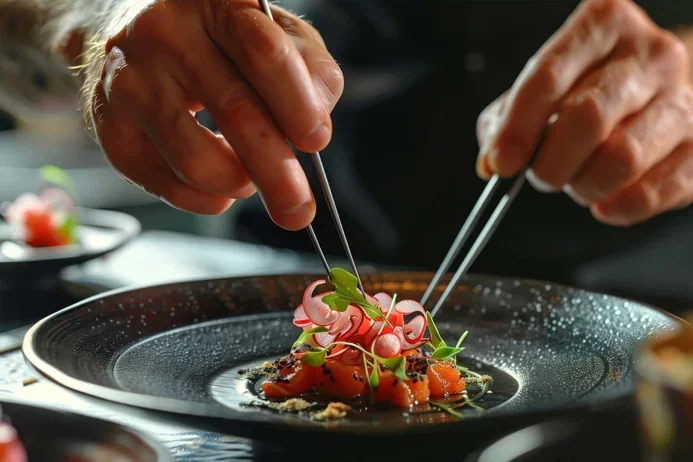
Our brains process visual cues rapidly, and when food is artfully plated, it sets positive expectations. This psychological element is why even simple ingredients can feel elevated when presented well, making the dining experience more satisfying overall.
Impact on Dining Experience and Taste Perception
The impact of plating extends directly to how we perceive taste. Studies have shown that people often rate food as tasting better when it looks appealing. The colors, balance, and layout of a dish can subconsciously influence our flavor expectations. When plate presentation is inviting, diners tend to savor their food more mindfully, appreciating textures and layers of flavor they might otherwise overlook.
In essence, plating isn’t just decorative—it enhances the full enjoyment of the meal, turning casual moments into memorable experiences.
Essential Tools and Equipment for Home Plating
Must-Have Utensils and Accessories
Creating restaurant-quality plates at home doesn’t require an arsenal of professional gear, but certain tools can help elevate your efforts significantly. A pair of fine tweezers is invaluable for placing microgreens or delicate garnishes precisely. Offset spatulas allow you to spread sauces or smooth purées with ease. Small squeeze bottles work beautifully to control sauce placement and create artistic drizzles.
Having a set of plates in varying sizes and shapes also plays a role. Different plates offer a canvas that can either highlight or detract from your food, so investing in versatile dishware can make a surprising difference.
DIY Items That Can Elevate Your Presentation
You don’t always need special tools to create beautiful presentations. Everyday kitchen items can be repurposed creatively. For instance, cookie cutters can shape rice or vegetable slices into neat forms. A fork or the back of a spoon can add textured patterns to purées or mashed potatoes. Even parchment paper cones can help with controlled sauce application if you don’t have squeeze bottles on hand.
These simple improvisations allow home cooks to bring finesse into their plating without extra expense, proving that creativity often beats costly tools.
Step-by-Step Techniques to Transform Simple Ingredients
Layering and Stacking for Visual Interest
One of the most effective ways to turn basic components into a visually striking plate is through layering. Carefully stacking elements creates depth and draws the eye. For example, layering roasted vegetables on a bed of grains, then topping with a protein and drizzling sauce creates a dynamic, inviting structure.
This approach breaks the monotony of flat presentations and allows each ingredient to shine while contributing to a harmonious whole. It also suggests intentionality, showing that effort was put into the plate beyond just cooking.
Using Color Contrast to Enhance Appeal
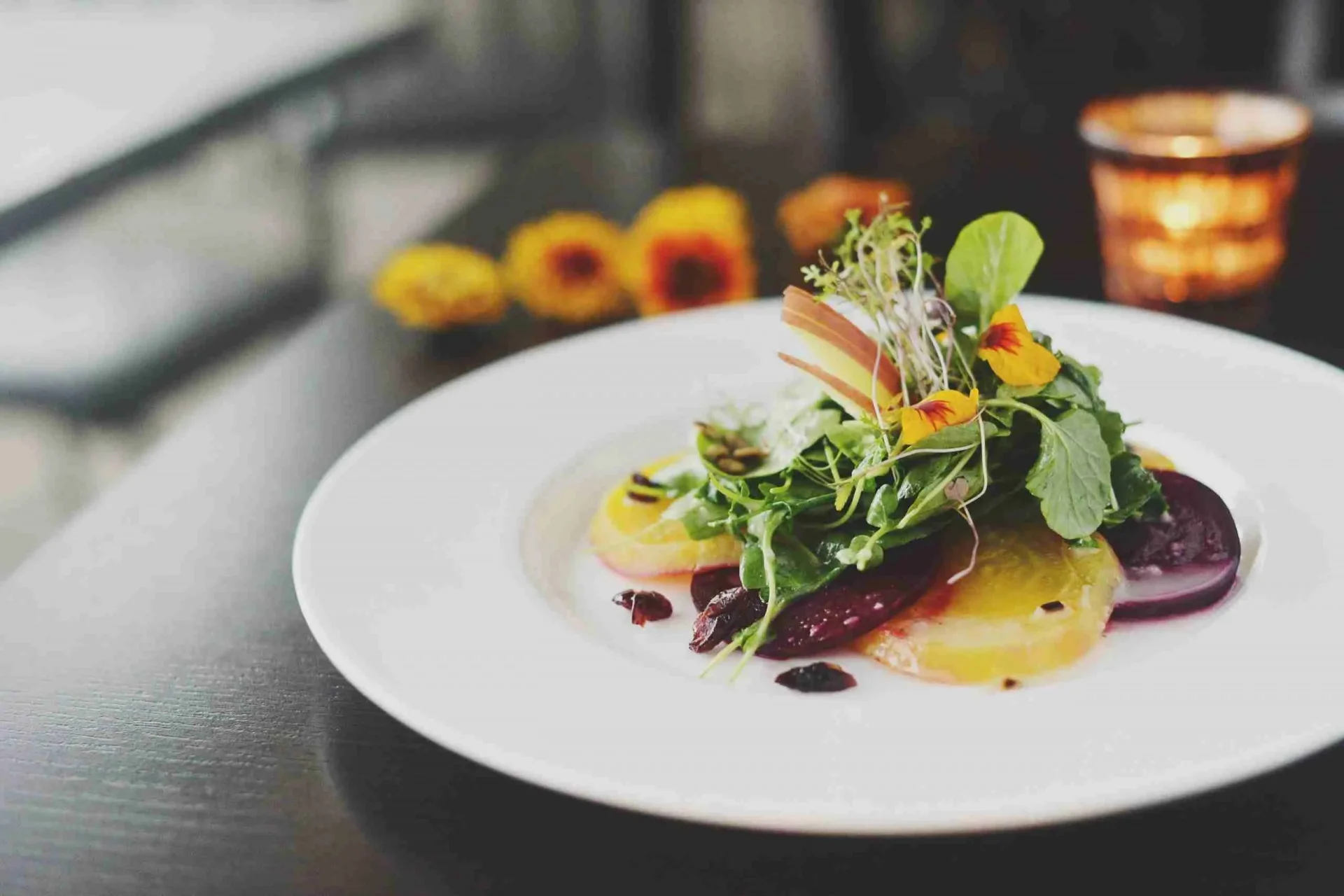
Color contrast naturally attracts attention and can make even a humble dish pop. Think of pairing a bright green herb garnish against creamy whites or vibrant reds alongside earthy browns. Contrasting colors create visual excitement, preventing plates from looking dull.
When plating, consider the color wheel and complementary shades. Even a splash of brightly colored sauce or a simple garnish can turn a plate from ordinary to eye-catching. This mindful use of color is one of the easiest ways to simulate a restaurant’s flair.
Playing with Texture and Height
Texture adds an essential tactile component that’s just as important to plating as appearance. Mixing crunchy elements with soft or creamy components makes a dish more engaging. Height, meanwhile, gives plates dimension and prevents them from feeling flat and lifeless.
Try placing crisp toasted nuts atop a smooth purée or stacking components so some elements reach upward instead of sprawling horizontally. This not only creates contrast but also guides the diner’s senses, signaling that every bite offers variety.
Creative Garnishing: Less is More
Fresh Herbs and Edible Flowers
Fresh herbs and edible flowers are classic garnishes for a reason—they add bursts of color, aroma, and a hint of freshness that complement many dishes. However, restraint is key; overloading a plate with garnish can feel cluttered and detract from the main components.
Choose herbs that enhance your dish’s flavor profile and scatter them thoughtfully. Edible flowers add a whimsical touch but should be used sparingly to maintain elegance. These natural elements are simple, inexpensive tools that bring life and refinement to your plating.
Sprinkles, Drizzles, and Dusting Techniques
Small finishing touches like sprinkles of spices, drizzles of flavored oils, or dusting of powdered ingredients can add a final layer of sophistication. For instance, a gentle dusting of smoked paprika on a creamy soup or a drizzle of balsamic reduction around a salad plate offers subtle visual intrigue.
The trick is to apply these with intention and lightness—heavy-handedness can overwhelm the dish and disrupt the harmony you’ve built. These techniques are about accentuating, not overpowering.
Seasonal and Themed Plating Ideas
Spring and Summer: Light and Vibrant Displays
During the warmer months, the natural abundance of bright, fresh produce lends itself to light and vibrant plating styles. Think colorful salads with edible flowers, juicy fruits, and fresh herbs, arranged loosely on crisp white or pastel plates to enhance the feeling of freshness.
Using minimalistic styles with open space allows the vibrant colors to pop, evoking a sense of airiness and renewal. This approach celebrates the season’s energy and encourages a refreshing dining experience.
Autumn and Winter: Warm and Rustic Presentations
When the seasons turn colder, plating can mirror the warm, hearty flavors we crave. Earth tones dominate, with roasted root vegetables, grains, and rich sauces arranged in cozy, rustic styles. Wooden boards or warm-hued plates complement these dishes beautifully, creating a comforting atmosphere.
Think intentional imperfection—heaping portions with a casual yet thoughtful arrangement feel inviting and homey. Adding a sprinkle of toasted nuts or a sprig of rosemary can evoke a sense of warmth and seasonality.
Common Mistakes to Avoid in Plating
Overcrowding the Plate
One of the most frequent errors in plating is trying to fit too many components on one plate. Overcrowding leads to a cluttered appearance that overwhelms the senses and obscures the individual ingredients. It can also make eating cumbersome.
A well-composed plate includes space for the elements to breathe. This negative space is as important as the food itself, giving the eye room to appreciate the composition. Keeping portions balanced and focused ensures each ingredient gets the spotlight it deserves.
Ignoring Plate Size and Shape
The choice of plate can make or break a presentation. Using plates that are too large makes food seem sparse and leaves too much empty space, while plates that are too small can look cramped. The shape also matters; round plates often feel classic and balanced, but square or asymmetrical plates can add modern flair.
Matching your plating style to the plate’s size and design creates harmony and helps the food become the true star. Experiment with different dishes on various plates to find combinations that naturally enhance your presentation.
Bringing It All Together: Sample Plating Designs for Everyday Meals
Breakfast and Brunch Inspirations
Simple breakfast ingredients can look exceptionally inviting with a few plating tricks. For example, layering toasted bread with a neatly fanned avocado, artful drizzles of olive oil, and a scattering of fresh herbs turns a humble meal into a feast for the eyes. Using small ramekins for jams or yogurt adds polish to the table setting.
Also, think about grouping items with variety—crispy bacon alongside fluffy eggs and fresh fruit creates contrasts in texture and color, encouraging a leisurely, celebratory morning experience even on busy days.
Dinner Plate Layouts with Minimal Ingredients
When working with minimal ingredients for dinner, focus on careful placement and enhancements like sauces or garnishes. Positioning the protein off-center, with vegetables arranged asymmetrically, creates a dynamic composition. A swipe or dot of sauce adds intentional artistry without needing many components.
This minimalist philosophy emphasizes quality over quantity and highlights the beauty in simple flavors. With these plating techniques, even a basic chicken breast and steamed vegetables can feel like a thoughtfully composed restaurant dish.