Introduction to Budget-Friendly Healthy Cooking
The Importance of Using Pantry Staples
Cooking healthy meals on a tight budget often feels challenging, especially when fresh ingredients seem costly or hard to come by. This is where pantry staples become invaluable. These shelf-stable foods serve as the backbone for nutritious, satisfying dishes without frequent trips to the store. Using pantry staples not only reduces food waste by relying on ingredients you already have, but it also allows for flexibility and creativity in the kitchen. When you know how to utilize these basics, you can maintain a balanced diet without overspending.
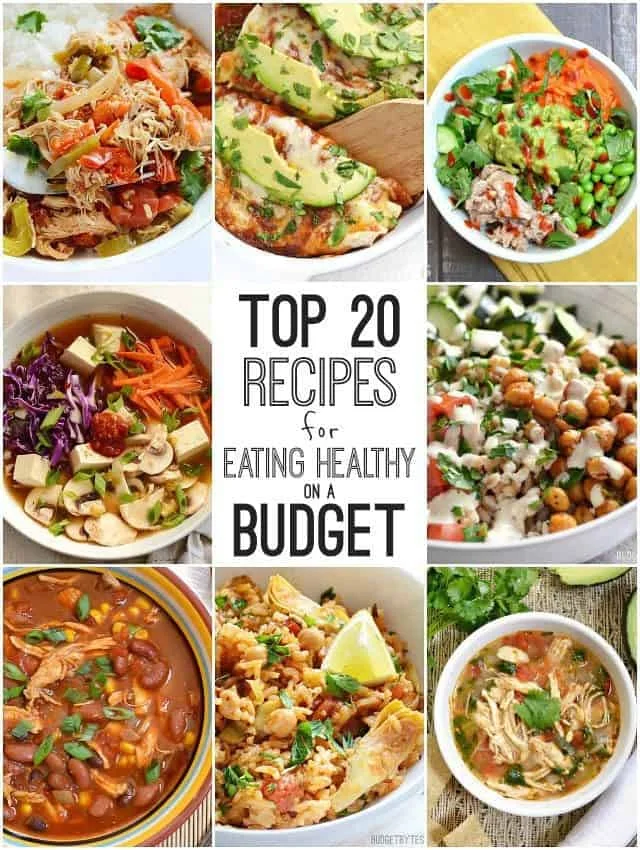
Balancing Nutrition and Budget Constraints
One of the main difficulties people face is trying to eat healthily while managing limited funds. The misconception that healthy eating is expensive can discourage many from making better food choices. However, by carefully selecting affordable pantry items and combining them in thoughtful ways, it’s possible to create meals that are both nutrient-rich and wallet-friendly. Understanding how to achieve this balance helps avoid relying on processed or fast foods that often appear cheaper but may lack essential nutrients.
Essential Pantry Staples for Healthy Meals
Grains, Legumes, and Canned Goods to Keep Stocked
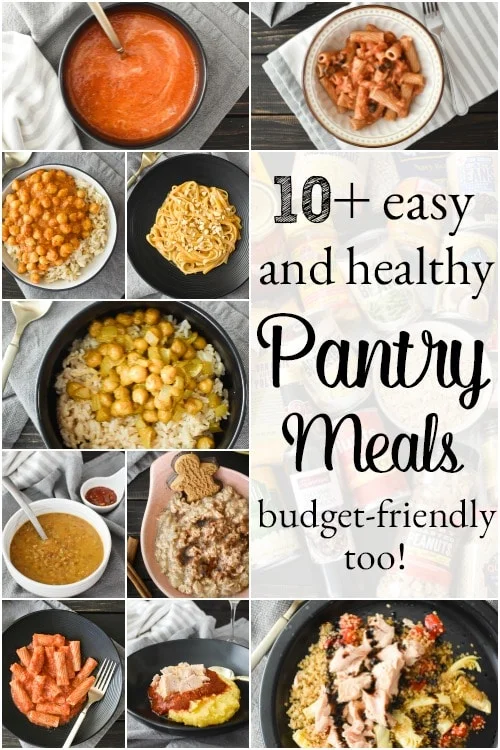
A common problem in budget cooking is not having versatile ingredients on hand. Grains like rice, oats, and whole wheat pasta serve as substantial bases for many meals and store well over time. Legumes such as lentils, chickpeas, and black beans provide protein and fiber, making them perfect pantry staples. Canned goods — including tomatoes, vegetables, and fish — add flavor and variety without compromising nutrition. These ingredients are affordable, have a long shelf life, and can be combined in countless ways to create balanced meals.
Spices and Condiments to Elevate Simple Dishes
Even the most nutritious meals can fall flat without good flavor. However, relying on expensive sauces or pre-made mixes often isn’t budget-friendly. Instead, keeping a collection of affordable spices and condiments is key to transforming basic ingredients. Items like garlic powder, cumin, dried herbs, soy sauce, and vinegar enhance dishes without adding significant cost. Being mindful about the spices you use prevents meals from becoming monotonous, encouraging a healthier diet through enjoyable food rather than dull repetition.
Meal Planning Strategies Using Pantry Ingredients
Batch Cooking and Freezing Tips
Many struggle with time constraints and food waste, which can sabotage budget-friendly efforts. Batch cooking addresses these problems by preparing large quantities of meals that use pantry staples, then freezing portions for later. This approach saves both money and time. For example, cooking a big pot of lentil stew or chili can be divided into meals throughout the week or month. Freezing properly in airtight containers helps preserve flavor and nutrients, making it easier to stick to healthy eating habits without resorting to takeout.
Creating Weekly Menus from What You Have
A common pitfall is shopping without a plan, leading to impulse buys and unused food. Designing weekly menus based on pantry inventory helps reduce this issue by encouraging strategic use of what’s available. This method involves assessing your staples, pairing complementary ingredients, and deciding on recipes that are nutritious and economical. Having a clear plan also minimizes last-minute unhealthy choices, keeping meals consistent and satisfying even on a tight budget.
Cooking Techniques to Maximize Flavor and Nutrition
One-Pot and Sheet Pan Meals
Complex recipes with multiple cooking steps can overwhelm those managing time and resources. One-pot and sheet pan meals simplify preparation and cleanup, making them ideal for budget-conscious cooking. These methods allow ingredients to meld together during cooking, often intensifying flavors while preserving nutrients through even heat distribution. Dishes like vegetable and bean stews or roasted grain and vegetable sheets are simple yet hearty options that maximize what you have on hand.
Healthy Ways to Prepare Staples Without Excess Fat
Another challenge is preventing meals from becoming calorie-dense due to heavy oil or butter use. Cooking pantry staples in ways that retain their nutritional value without excess fat can be done by using water, broth, or minimal healthy oils for sautéing. Roasting, steaming, or boiling are excellent techniques to keep ingredients light while enhancing taste. These options support maintaining a nutritious diet without sacrificing flavor or texture in meals made from basic pantry items.
Budget-Savvy Shopping Tips for Replenishing Your Pantry
Where and How to Find Affordable Healthy Ingredients
Even with a well-stocked pantry, replenishing it affordably can be tricky. Shopping at discount grocery stores, ethnic markets, and farmers’ markets often reveals lower prices and fresh seasonal selections. Buying store brands instead of name brands, looking for sales, and using coupons also contribute to cost savings. Being aware of prices and comparing products helps stretch your food budget while maintaining quality and nutritional value.
Seasonal Buying and Bulk Purchasing Advantages
Purchasing ingredients in season and in bulk can prevent overspending. Seasonal produce is generally less expensive and fresher, making it a smart addition to pantry-based meals. Bulk purchasing grains, legumes, and canned goods often reduces the per-unit cost, enabling stockpiling of essentials without frequent shopping trips. Taking advantage of these strategies supports long-term budget management and ensures pantry staples are consistently available for healthy cooking.
Conclusion: Embracing Creativity and Mindfulness in the Kitchen
Cooking healthy meals on a tight budget using pantry staples requires more than just having ingredients; it involves mindful planning, creativity, and efficient use of resources. By understanding common challenges and adopting practical strategies—from stocking versatile staples to using smart cooking techniques and being savvy with shopping—healthful eating becomes achievable and enjoyable. Embracing these habits not only nurtures physical well-being but also fosters a positive relationship with food despite financial constraints.