Understanding the Importance of Ethnic Food Traditions
The Cultural Significance of Culinary Heritage
Food is more than sustenance; it is a vessel of history, identity, and cultural memory. Ethnic food traditions embody stories passed down through generations, preserving unique flavors and cooking methods. These culinary practices serve as a link to ancestral roots, fostering a sense of belonging and pride within communities.
Challenges Faced by Multicultural Urban Kitchens
In fast-paced urban environments, maintaining traditional foodways encounters obstacles. Limited kitchen space, scarce access to authentic ingredients, and time constraints often force people to simplify or alter recipes. Additionally, cultural blending and changing demographics can dilute original techniques, risking the loss of culinary heritage.
Integrating Traditional Techniques with Modern Urban Lifestyles
Adapting Recipes for Limited Urban Kitchen Spaces
Urban kitchens tend to be smaller, which can complicate traditional cooking processes that require large equipment or extended preparation areas. Adapting involves using multi-functional tools, consolidating steps, and optimizing storage. For instance, preparing components in bulk during weekends can save time during busy weekdays while preserving authentic flavors.
Using Local Ingredients to Replicate Authentic Flavors
Obtaining every traditional ingredient may be difficult in cities. Creativity in substituting with locally available items helps maintain the essence of ethnic dishes. For example, swapping certain vegetables or spices with similar local varieties preserves taste profiles without sacrificing authenticity. Understanding the role of each ingredient aids in thoughtful adaptations.
Community Engagement and Knowledge Sharing
Organizing Cultural Cooking Workshops and Events
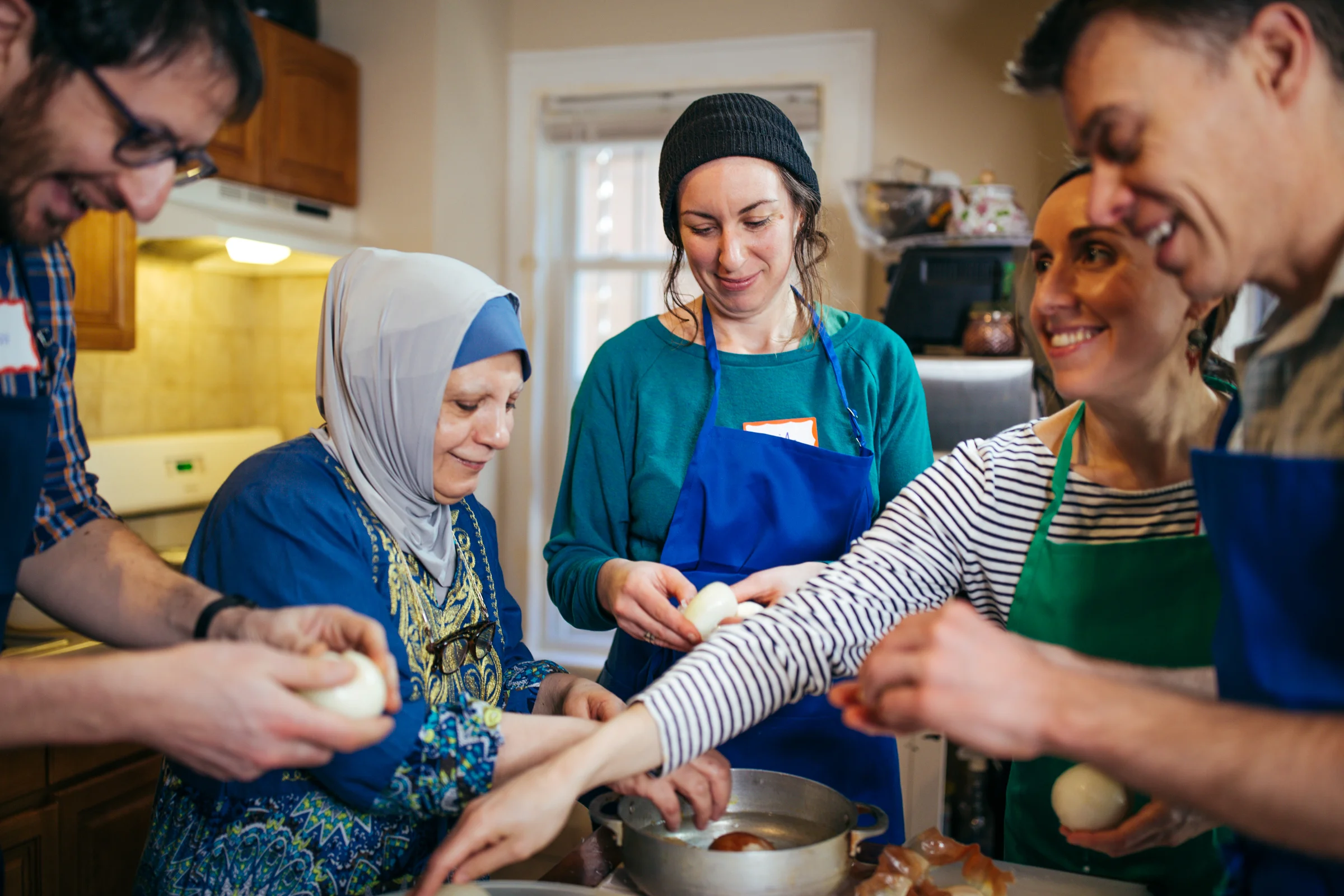
Communities thrive when knowledge circulates. Hosting workshops or group cooking sessions creates opportunities to share techniques and stories. These gatherings reinforce identity and encourage collective preservation of culinary traditions. They also foster understanding and appreciation among diverse urban populations.
Leveraging Social Media to Document and Share Recipes
Digital platforms offer powerful tools to record and disseminate recipes widely. Social media channels help connect practitioners across locations, ensuring traditions reach younger, tech-savvy audiences. Sharing videos, tips, and cultural context online supports continuity and inspires others to try authentic dishes.
Preservation Through Family and Intergenerational Cooking
Encouraging Storytelling Around Meals
Mealtime is a natural setting for storytelling, where elders can pass knowledge and cultural values. Narratives linked to recipes provide deeper meaning, making traditions memorable and cherished. This practice strengthens familial bonds and fosters a cultural legacy that extends beyond just the food itself.
Teaching Younger Generations Authentic Cooking Practices
Hands-on involvement is vital to secure the future of traditional cuisine. Introducing children and youth to authentic cooking methods instills respect for cultural roots. Encouraging curiosity and patience in mastering techniques nurtures pride and continuity within multicultural urban households.
Strategies for Sustainable Ingredient Sourcing
Building Relationships with Specialty Grocers and Markets
Finding authentic ingredients regularly requires trust and familiarity with local suppliers. Establishing strong connections with specialty grocers and ethnic markets ensures access to quality products. These relationships also support businesses that contribute to the diversity and availability of traditional foods in urban settings.
Growing Traditional Herbs and Vegetables at Home
When markets lack certain fresh items, urban gardening offers a sustainable alternative. Cultivating herbs and vegetables tied to ethnic cuisines in small spaces like balconies or windowsills helps maintain freshness and authenticity. It also reconnects people with the origins of their food, enhancing appreciation for their heritage.
Innovating While Respecting Tradition
Fusion Cooking Done with Cultural Sensitivity
Blending culinary traditions can invigorate food culture, but innovation should honor the original sources. Successful fusion respects ingredient integrity and cultural context without erasing identity. This balance attracts wider audiences while preserving the soul of ethnic dishes.
Maintaining Authenticity in Urban Food Businesses
Ethnic food entrepreneurs in cities face pressure to adapt for broader appeal, risking dilution of traditions. Commitment to authentic recipes, techniques, and ingredient sourcing builds trust and loyalty. Transparent storytelling about cultural origins enhances customer engagement, supporting preservation amidst commercialization.
Conclusion: Sustaining Ethnic Food Traditions Amid Urban Diversity
Preserving ethnic food traditions in multicultural urban kitchens requires adaptability, community involvement, and dedication. By blending respect for heritage with practical solutions for modern life, these culinary practices can thrive. Engaging families, leveraging technology, and fostering sustainable sourcing ensure that diverse food legacies continue enriching urban culture for generations to come.