Introduction to Kombucha Brewing
What is Kombucha?
Kombucha is a fermented tea drink made by fermenting sweetened tea with a symbiotic culture of bacteria and yeast, known as SCOBY. This fizzy, tangy beverage has been consumed for centuries and is appreciated for its unique flavor and probiotic qualities.
Health Benefits of Homemade Kombucha
Brewing kombucha at home ensures freshness and control over ingredients. Homemade kombucha supports digestive health through probiotics, can boost immunity, and provides antioxidants. Making it yourself also allows customization to suit personal taste preferences and dietary needs.
Essential Ingredients and Tools
Basic Ingredients Needed
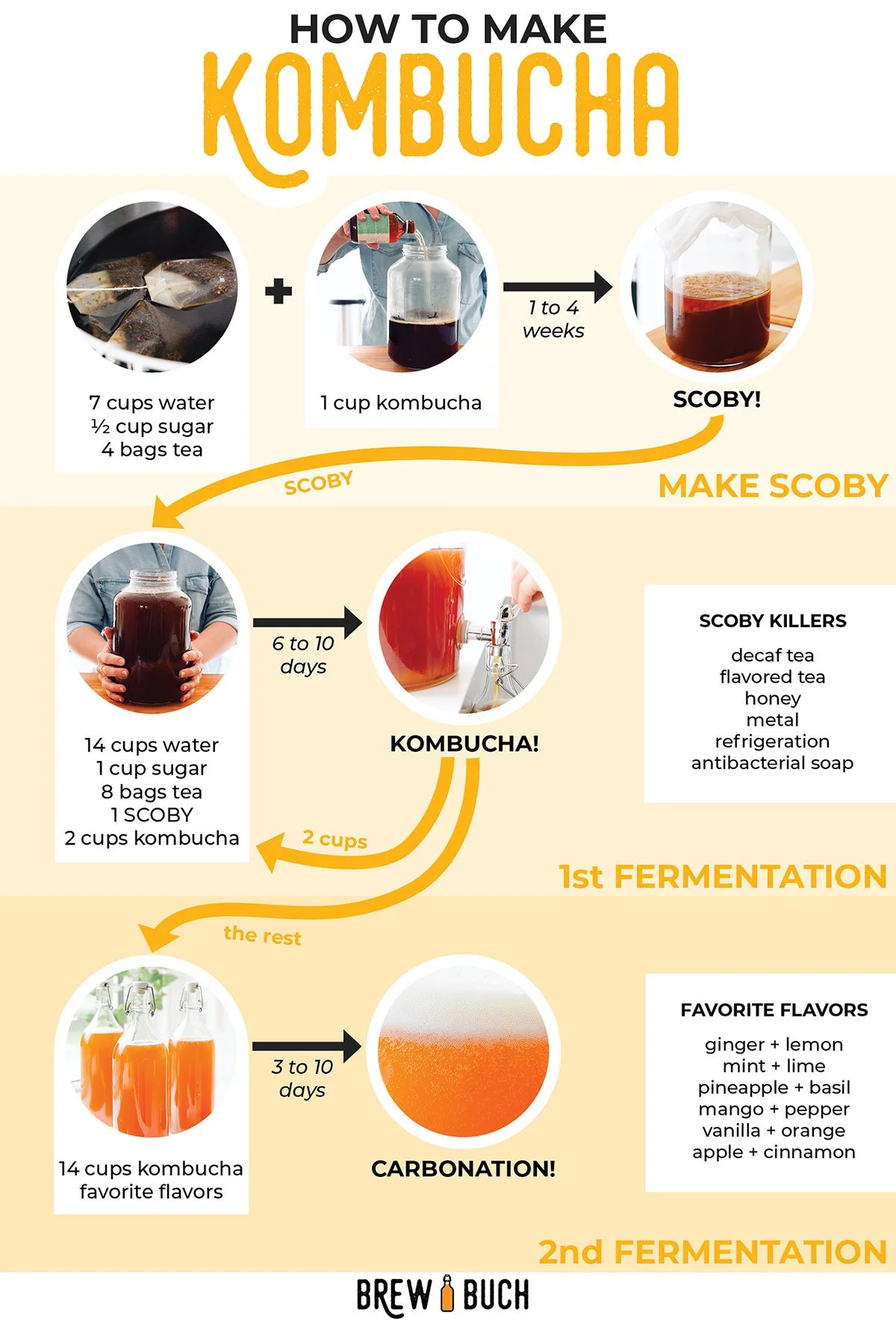
The foundation of kombucha starts with simple ingredients: water, tea (black or green), sugar, and a SCOBY along with some starter liquid from a previous batch. These ingredients are readily available and affordable, making kombucha brewing accessible to beginners.
Required Equipment for Brewing
Aside from ingredients, a glass jar, a breathable cloth cover, a rubber band, and bottles for storing the finished kombucha are essential. Using non-metal equipment is important to avoid adverse reactions during fermentation.
Preparing Your Brewing Environment
Choosing the Right Container
Glass jars are preferred for kombucha brewing because they are non-reactive and easy to clean. Avoid plastic or metal containers as they can alter the flavor or introduce harmful substances during fermentation.
Sanitization Tips for Safe Brewing
Cleanliness is critical in kombucha brewing to prevent contamination. Thoroughly wash all equipment with hot water and mild detergent. Do not use antibacterial soaps or strong chemicals, as they can harm the SCOBY.
Step 1: Making the Sweet Tea Base
Selecting Tea and Sweeteners
Choose quality black or green tea leaves for the best fermentation results. White or oolong teas are also options but may affect fermentation speed and taste. Use plain white sugar as it ferments efficiently and supports SCOBY health.
Brewing and Cooling the Tea
Boil water, steep the tea for 5–10 minutes, then dissolve the sugar completely. It is important to let the tea cool to room temperature before adding the SCOBY, as hot tea can damage it.
Step 2: Adding the SCOBY and Starter
Understanding the Role of SCOBY
The SCOBY is the living culture that transforms sweet tea into kombucha through fermentation. It contains bacteria and yeast that work together to ferment the sugars, producing beneficial acids and carbonation.
Mixing and Combining Ingredients Correctly
Pour the cooled sweet tea into your jar and add the starter liquid from a previous batch. Gently place the SCOBY on top. Cover the jar with a breathable cloth secured by a rubber band to keep out contaminants while allowing airflow.
Step 3: Fermentation Process
Ideal Fermentation Conditions
Store the jar in a warm, dark place with temperatures between 70–85°F (21–29°C). This environment encourages healthy fermentation while preventing mold growth. Avoid direct sunlight and drafts.
How Long to Ferment for Best Flavor
Fermentation typically takes 7 to 10 days. Taste the kombucha periodically to find your preferred balance of sweetness and tang. A shorter fermentation yields sweeter kombucha, while a longer duration increases acidity and carbonation.
Step 4: Bottling and Flavoring
Secondary Fermentation Tips
After removing the SCOBY, transfer the kombucha to bottles with airtight lids for secondary fermentation. This step can take 2–5 days and enhances carbonation. Burp the bottles daily to avoid over-pressurization.
Flavoring Ideas Using Basic Home Ingredients
Introduce flavors by adding simple ingredients like fresh ginger slices, lemon juice, or fruit purees before bottling. These add unique tastes and natural sweetness without complicating the process.
Step 5: Storing and Enjoying Your Kombucha
Proper Storage Methods
Once the desired carbonation is reached, refrigerate the kombucha to slow fermentation and preserve flavor. Cold storage extends shelf life and makes the beverage refreshing to drink.
Signs of a Perfect Brew
Look for a slightly effervescent, tangy taste with mild sweetness. The liquid should be clear with a floating SCOBY or yeast strands. Avoid kombucha that smells off, appears moldy, or has an unpleasant texture.
Troubleshooting Common Issues
Dealing with Mold and Contamination
Mold appears as fuzzy spots, usually green, black, or white, and indicates contamination. If mold develops, discard the batch, clean all equipment thoroughly, and start over with a healthy SCOBY.
What to Do If Your Kombucha is Too Sour or Sweet
If the kombucha tastes too sour, shorten the fermentation time or reduce sugar slightly in the next batch. For overly sweet kombucha, extend fermentation or add more starter liquid to encourage faster acid production.