Introduction to Cast Iron Skillets
Why Cast Iron Skillets Are Essential in the Kitchen
Cast iron skillets have remained a staple in kitchens worldwide due to their unparalleled heat retention and versatility. Unlike many other cookware options, these skillets offer even cooking temperatures, making them ideal for searing, frying, baking, and more. However, their unique material requires specific care and maintenance to preserve their performance and longevity.

Benefits of Proper Maintenance
Maintaining a cast iron skillet correctly not only extends its life but also enhances the skillet’s natural non-stick properties through a process called seasoning. Neglecting proper upkeep can result in rust, uneven cooking surfaces, and food sticking, which diminishes the skillet’s efficiency and enjoyment. Therefore, understanding and following effective cleaning and maintenance routines is crucial for any cast iron user.
Initial Preparation for Cleaning Your Cast Iron Skillet
Tools and Materials Needed
Before beginning the cleaning process, it is important to gather suitable tools and materials. Avoid harsh detergents or abrasive scrubbers that can strip the skillet’s seasoning. Instead, opt for a stiff brush or non-metal scrub pad, coarse salt for scrubbing if needed, warm water, and a clean cloth or paper towels. Having these ready ensures that the skillet is cleaned thoroughly without compromising its protective seasoning.
Safety Precautions to Keep in Mind
Cast iron skillets often retain heat for a long time, so handling them immediately after cooking carries a risk of burns. Always use oven mitts or heat-resistant gloves when cleaning a skillet that has not fully cooled. Additionally, avoid sudden temperature changes, such as rinsing a hot skillet with cold water, as this can cause the iron to crack or warp. Taking these precautions protects both you and your cookware.
The Step-by-Step Cleaning Process
Removing Food Residue and Debris
The initial challenge in cleaning a cast iron skillet is removing stuck-on food without damaging the seasoning. Begin by scraping off any large pieces of food using a spatula or a wooden scraper. If the skillet has cooled, warm it slightly to loosen residues. Using moderate force with a brush or coarse salt helps remove debris while preserving the skillet’s seasoned layer.
Washing Without Damaging the Seasoning
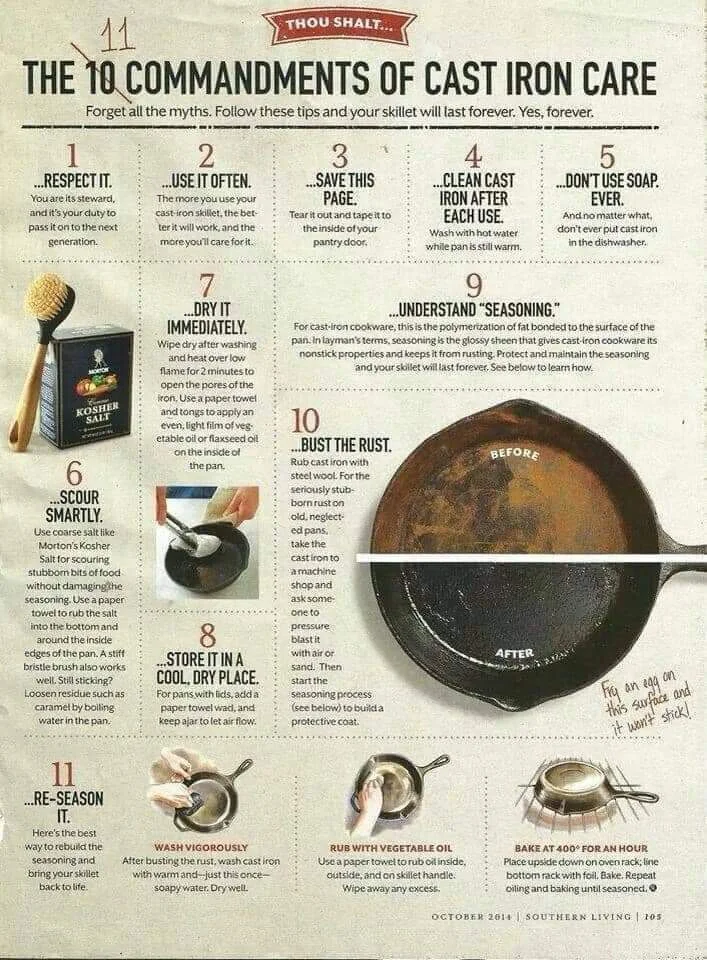
Contrary to some beliefs, washing cast iron with water is acceptable when done correctly. Avoid soaking the skillet or using soap frequently, as soap can break down the seasoning over time. Instead, wash with warm water and minimal or no soap immediately after use, scrubbing gently. Dry the skillet thoroughly afterward to prevent rust formation, which often results from moisture left on the surface.
Dealing with Stubborn Stains and Rust
When faced with persistent stains or rust, simple cleaning methods might not suffice. Rust forms when moisture lingers and the seasoning degrades. To combat this, use a fine steel wool pad to scrub the rusted areas carefully, removing all rust down to bare metal. Afterward, re-season the skillet promptly to restore its protective coating. Tackling stains and rust early prevents permanent damage and preserves cooking performance.
How to Re-season Your Cast Iron Skillet
Choosing the Right Oil or Fat
The choice of oil is a critical factor in effective seasoning. Oils with a high smoke point, such as flaxseed oil, grapeseed oil, or vegetable shortening, create a durable and smooth seasoning layer when heated properly. Avoid using low-smoke point oils like olive oil, which can leave sticky or uneven seasoning.
Seasoning Techniques: Oven vs. Stovetop
There are two common methods to season cast iron: oven and stovetop. Oven seasoning involves coating the skillet with a thin layer of oil and baking it upside down at high temperatures for about an hour, allowing the oil to polymerize and bond with the pan’s surface. Stovetop seasoning, while quicker, involves heating the skillet and rubbing oil into the surface repeatedly until a blackened patina develops. Oven seasoning generally produces a more even, longer-lasting finish.
Frequency of Re-seasoning
Re-seasoning frequency depends largely on usage and cleaning practices. For everyday cooks, re-seasoning once every few months is usually sufficient. However, if you frequently wash the skillet with soap or encounter rust or flaking, more frequent seasoning is necessary. Regular light maintenance seasoning after each use can minimize the need for intensive seasoning sessions.
Daily Care and Long-Term Tips
Proper Drying and Storage Methods
Improper drying is a major cause of rust on cast iron. After washing, always dry the skillet thoroughly with a towel and then heat it briefly on the stovetop to evaporate any remaining moisture. When storing, avoid stacking the skillet with other cookware unless protected by cloth or paper towels to prevent scratches and moisture buildup. Keeping the skillet in a dry, ventilated area reduces the risk of corrosion.
Common Mistakes to Avoid
One frequent mistake is using harsh detergents or dishwasher cycles, which strip seasoning. Another is soaking or leaving the skillet wet for extended periods, leading to rust. Additionally, cooking acidic foods like tomatoes repeatedly without proper care can degrade the seasoning fast. Being aware of these pitfalls helps maintain the skillet’s quality and ensures better cooking results.
Special Considerations
Cleaning After Cooking Acidic Foods
Acidic ingredients can erode the seasoning if left in contact too long. When cooking with tomatoes, vinegar, or citrus, clean the skillet promptly after use to remove acids. Mild washing and quick seasoning afterward can help prevent damage. Avoid prolonged exposure to acids and refrain from cooking highly acidic dishes frequently in the same skillet.
Restoring Vintage or Damaged Cast Iron Skillets
Older or severely damaged cast iron might show heavy rust or flaking seasoning, making restoration a more involved process. Begin by stripping the skillet of all existing seasoning and rust using abrasive methods or a chemical stripper if necessary. Then follow the re-seasoning steps carefully to build a fresh, durable surface. While restoration requires patience, it can revive a treasured heirloom for decades of future use.